Breaking La Vida Comes to the Neighborhood: The Documentary That Didn't Ask Permission | Featured · Qué Onda Oaxaca
Publicidad
Comitiva Patronal de la Imagen / ABES
Featured5 min readJuly 24, 2026
Breaking La Vida Comes to the Neighborhood: The Documentary That Didn't Ask Permission
Share this article 👀
Eight years of filming. Six young dancers. ABES's award-winning documentary comes to the Comitiva Patronal de la Imagen — the same collective building Oaxaca's first community cinema.
By
Mish Dary
Director de Qué Onda Oaxaca
5 min
Eight Years Watching Six Young People Find Their Place on the Floor
There's an image that repeats across Oaxaca, one that rarely makes it into the tourist brochures: a seventeen-year-old sitting on the curb, surrounded by mototaxis and tlayuda stands, scrolling through their phone like they're looking for something to explain why they're here and not somewhere else.
It's not despair. It's waiting.
Breaking La Vida understands exactly that.
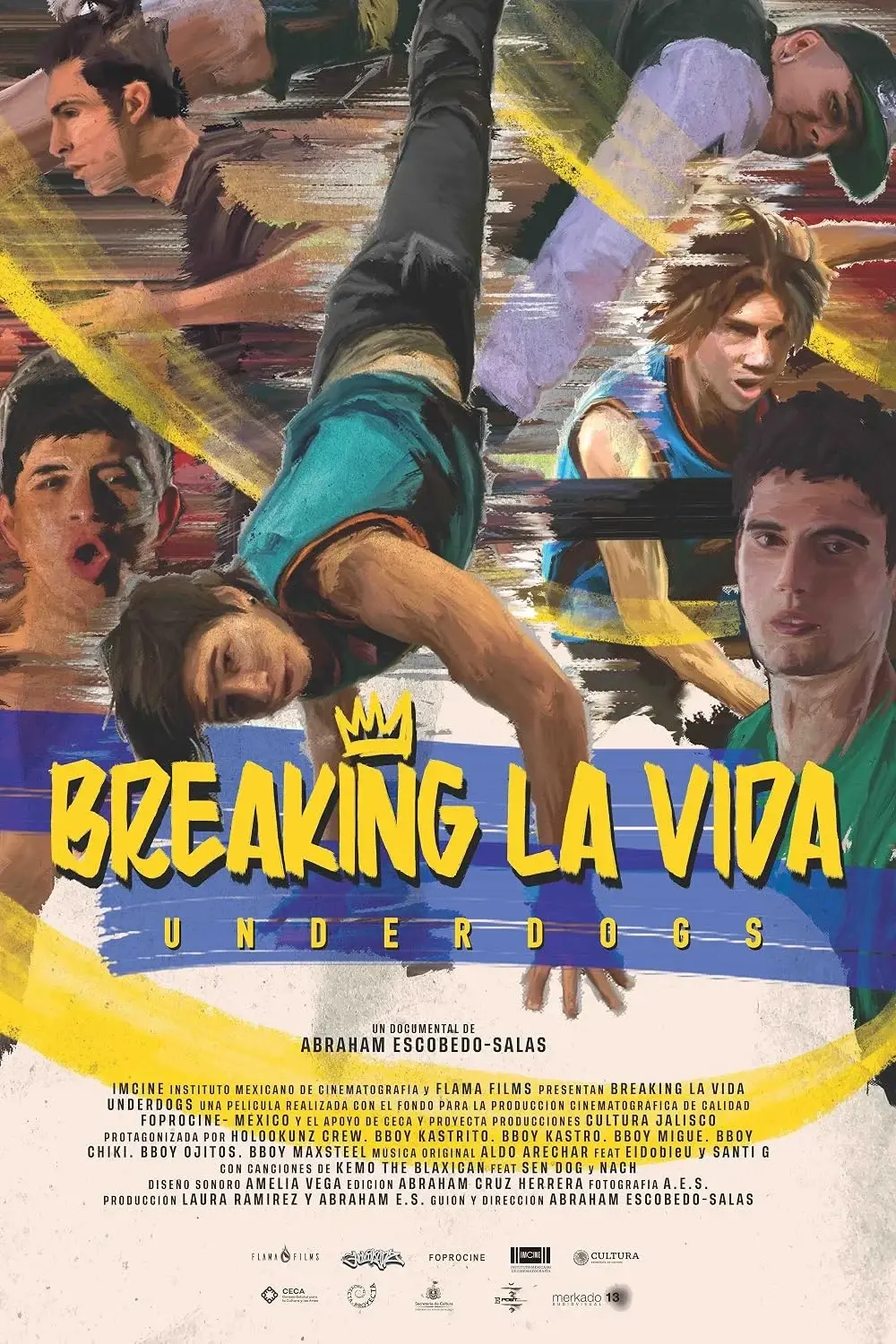
The documentary by Mexican filmmaker Abraham Escobedo-Salas (ABES) followed for eight years the story of six young dancers who found in breaking and hip-hop culture far more than an artistic discipline: a space to build friendships, face loss, take on responsibility, and discover who they wanted to become as adults.
More than a documentary about dance, Breaking La Vida is an intimate portrait of growth, identity, and the search for a place in the world. 92 minutes, rated for all audiences.
✦
A Film That Already Traveled the Festival Circuit. Now It's Coming to Your Neighborhood.
Since its premiere, Breaking La Vida has traveled through major national and international film festivals, earning recognition that matters:
▸Special Jury Mention at the Guanajuato International Film Festival (GIFF)
▸Audience Award at Zanate Festival de Cine Documental
▸Official selection at the Festival Internacional de Cine de Morelia
▸Official selection at Ambulante
A film that's been to Morelia and Ambulante usually ends up on streaming months later, if it arrives at all. Here you have it in a special screening, a few blocks from home.
Special screening of Breaking La Vida at Comitiva Patronal de la Imagen
But before the walls are ready, they're already screening.
That says everything about how they understand their role: not as cultural administrators waiting for infrastructure, but as a community that activates the space with what it has. This screening aims to bring together documentary film lovers and members of the urban dance, hip-hop, and youth culture communities.
✦
What Young Oaxacans Already Know — and Nobody Asks
The reality facing young people in neighborhoods like Libertad, Ciudad Jardín, or San Martín Mexicapam isn't so different from what the documentary portrays: migration, informality, structural violence, the constant pressure from a family that can't afford for their kid to "study something weird."
Art doesn't fix any of that. But it does something just as important: it tells you that your experience exists, that it's worth narrating, that others lived it too — and found in movement, in dance, in cinema, a place where the world makes sense for a while.
This context isn't far from what youth face in any Latin American periphery. The question is always the same: what do you do when the system doesn't account for you? Some migrate. Some stay and bend. Some find the floor, the moves, and their people.
Spaces like the Comitiva's aren't just screening rooms. They're, literally, refuges.
✦
How to Get There and What It Costs
Comitiva Patronal de la Imagen
Primera Privada de Guadalupe Victoria #106, Col. Libertad, Oaxaca de Juárez
General admission: $50 MXN | Students & seniors: $25 MXN
Information: 951 233 4518
✦
Why It Matters That This Happens Here
Neighborhood cinema — screenings where people walk in, where neighbors meet, where the screen isn't inside a mall or behind a two-hundred-peso ticket — has a tradition in Mexico that we almost lost in the nineties to multiplexes.
What the Comitiva Patronal de la Imagen is doing is reclaiming that tradition. And Breaking La Vida is exactly the kind of film that only works when you watch it surrounded by people who understand what they're seeing without anyone having to explain it.
That doesn't happen at Cinépolis.
✦
Going? Share this article so more people in the area find out — and follow the Comitiva on Instagram @comitivapatronaldelaimagen.
📷 Photography used for informational/curatorial purposes only. Images are not the property of the author or Qué Onda Oaxaca. Credits belong to their respective authors.
— Mish Dary :)
I'm Mish Dary — 'Dary' in the Mixe language — from San Juan Juquila Mixes, a small mountain village in Oaxaca. I was on track to become a priest, ended up as a mechatronics engineer and total nerd, and somehow landed here writing about mole, calendas, and concerts in borrowed courtyards. I built Qué Onda Oaxaca with my own hands — a meeting point and a little bridge so everyone can enjoy this land. No curated culture for the few: I'll tell you about an opening with free wine just as gladly as a mayordomía at 3 a.m. Passionate about cinema (@cineyekuk), making videos, parties, and mezcal.