


A photo we've seen too many times
Not long ago, at one of Oaxaca's usual language exchanges, someone pulled out their camera to show off their work. We took a look, as you do in those spaces. And there it was again — a photo we know well around here: someone in a vulnerable situation, captured at the most uncomfortable moment of being seen. The person behind the camera called it beauty, and capped it with a phrase that's become almost a pattern: they found it beautiful because "back in Europe you'd never see a little girl begging in the streets."
It wasn't the first time we'd heard that line, or something close to it. And that's the point of this piece: it's not about calling out someone who just wanted to enjoy their trip and share what they saw, with the best intentions in the world. It's about something that repeats itself in Oaxaca so often, in so many different spaces, that it can no longer be treated as an isolated complaint.
A conversation that stopped being isolated
Across different spaces in Oaxaca — collectives, forums, late-night tables — the same conversation keeps coming up: how the most touristic places function, for a certain kind of visitor and a certain kind of photographer, as spaces where we end up being objects of study rather than subjects of our own story. This isn't one person's complaint, nor one bad afternoon.
The question worth asking, camera in hand and with genuine curiosity about documenting a trip, isn't how beautiful the photo looks. It's: who does this image serve when I'm no longer here?
That question has a definitive answer, and it comes from the Sierra Norte of Oaxaca.
Who is the photographer who beat the whole world
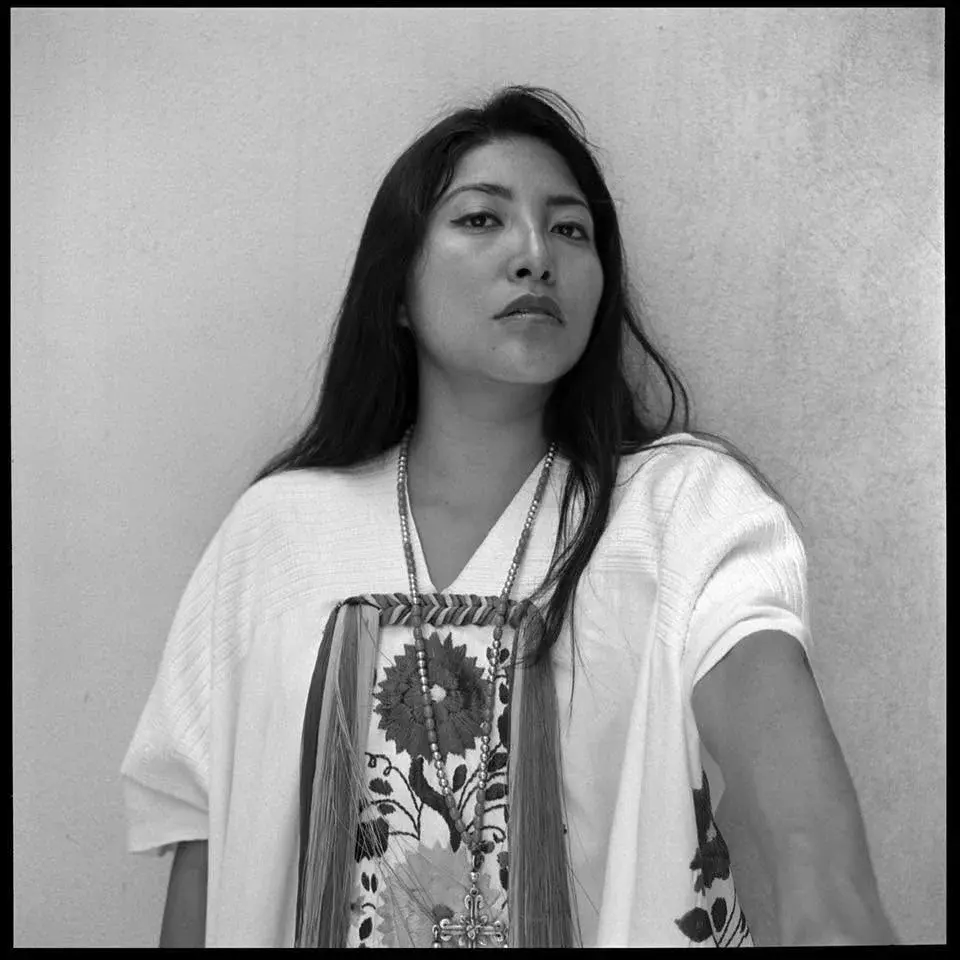
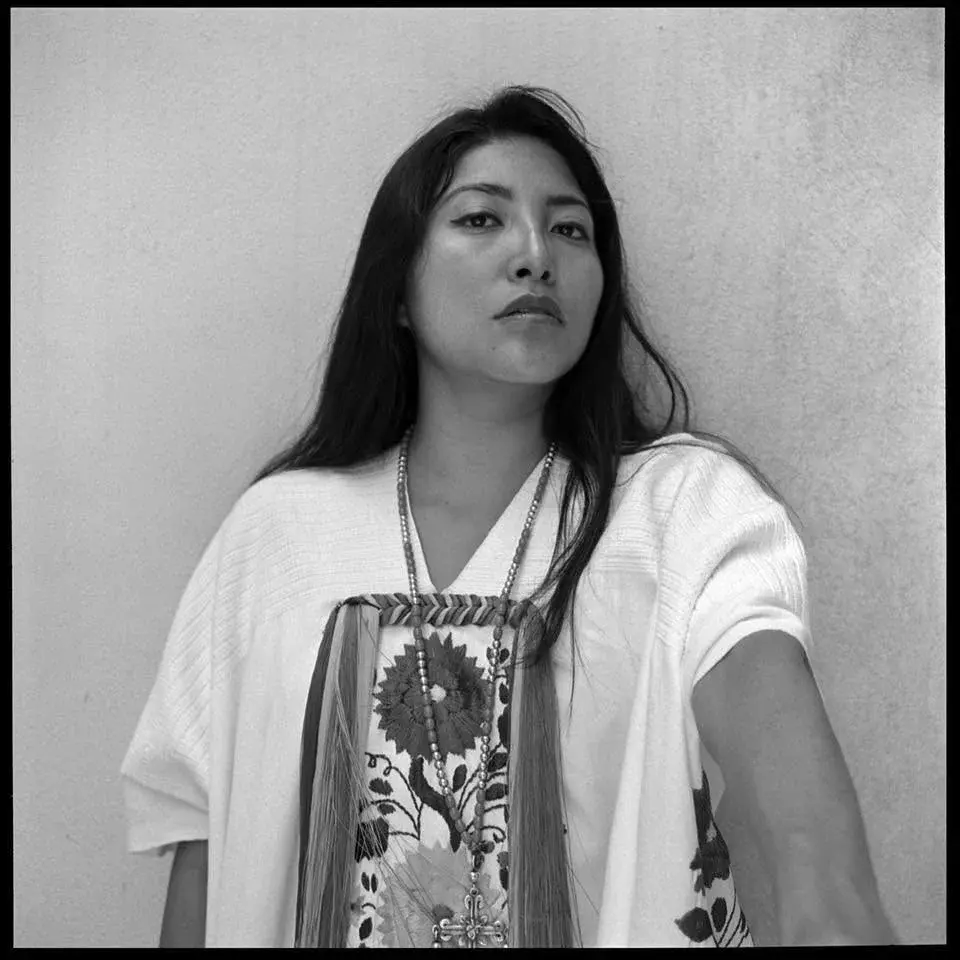
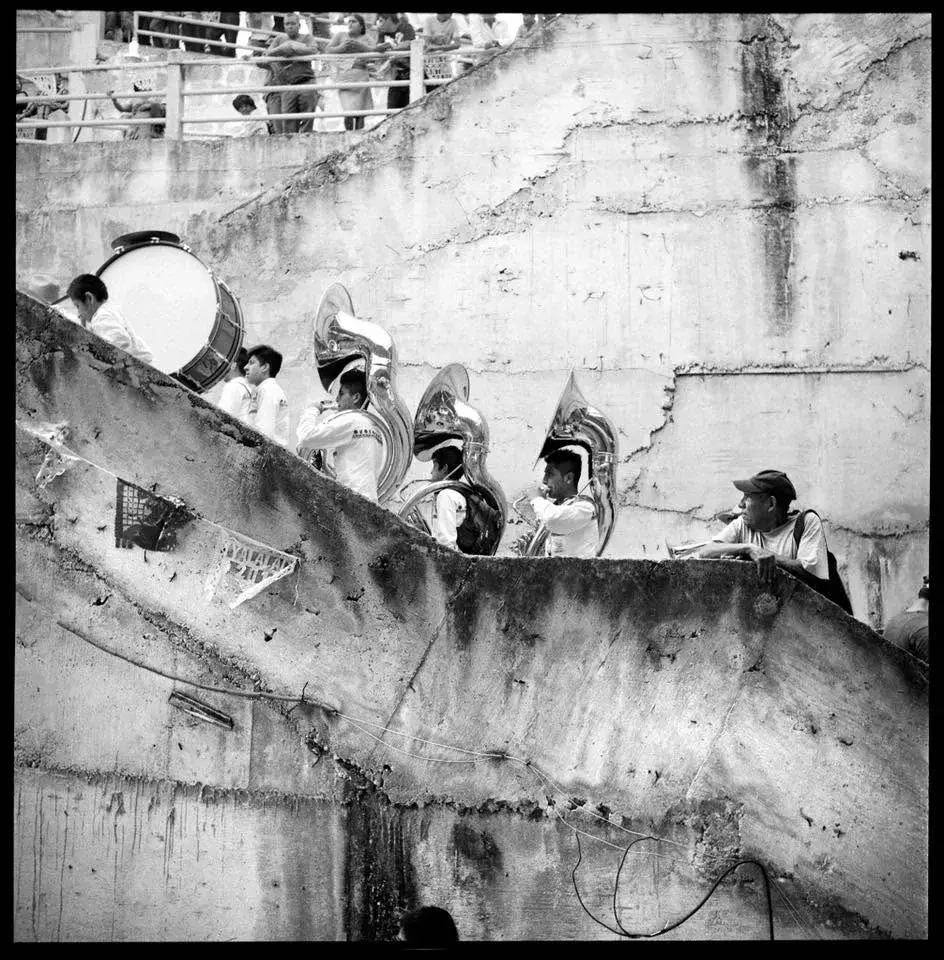
Citlali Fabián is from Villa Hidalgo Yalálag, a Zapotec community in the Sierra Juárez, and today she lives between London and Oaxaca. She's been published in The New York Times, The Guardian, and the Los Angeles Times. She's a National Geographic Society Explorer, a Magnum Foundation and Bertha Foundation fellow, and a member of collectives including Women Photograph and Indigenous Photograph.
This year she took the most important title of one of the largest photography competitions on the planet: 2026 Photographer of the Year at the Sony World Photography Awards, from over 430,000 images submitted from more than 200 countries. The prize: $25,000 USD, Sony equipment, and a solo exhibition at the 2027 edition. The series that won her the title is called Bilha, Stories of My Sisters, and it is currently on display at Somerset House in London.
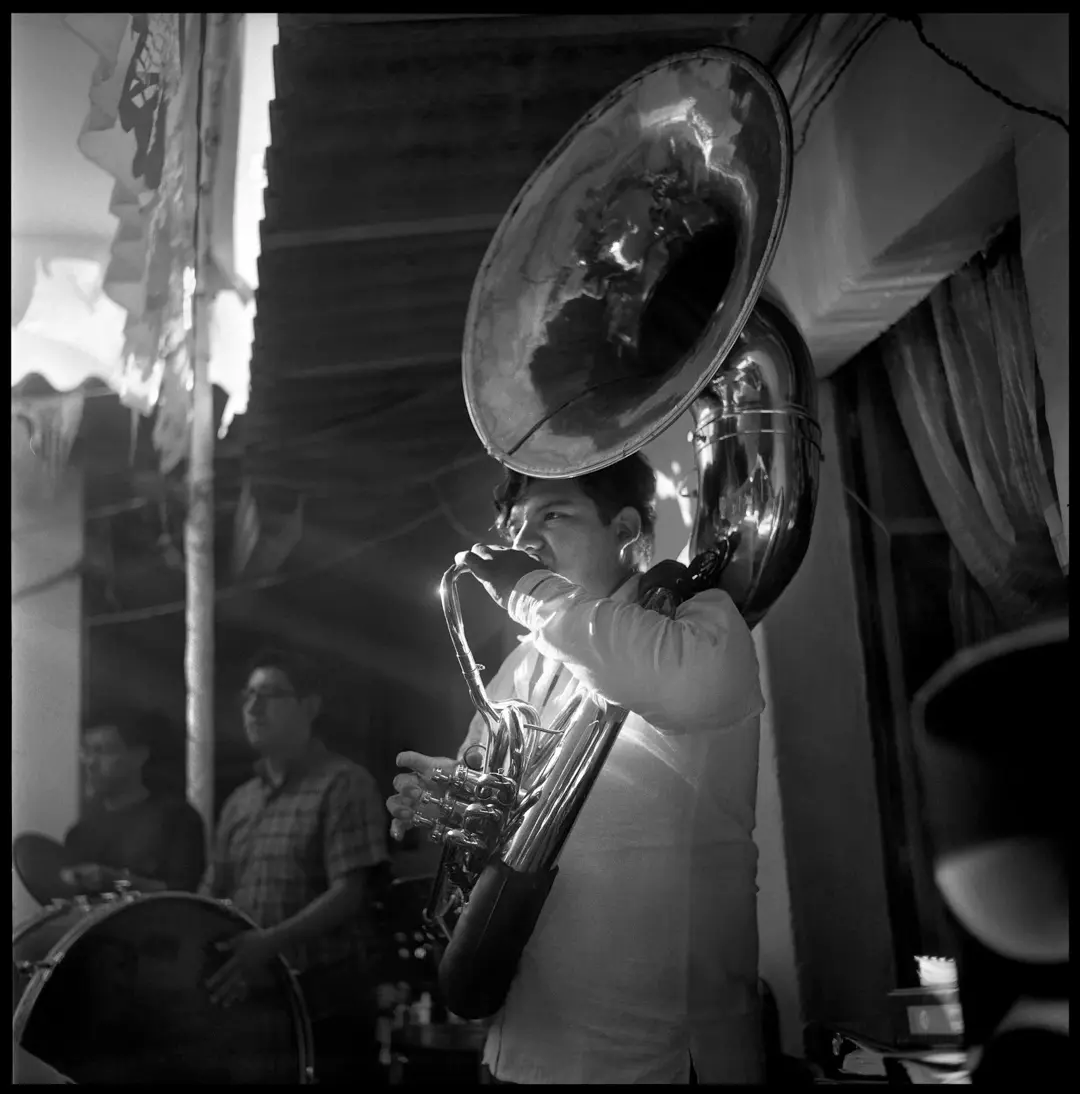
The story could stop there — another "Mexican woman triumphs abroad" piece. But what makes this matter is how she did it.
A technique that once served to dehumanize, now does the opposite
Fabián doesn't shoot and run. She works with daguerreotype and wet collodion, 19th-century photographic techniques that can take up to six hours of exposure for a single portrait. There is no stolen photo possible in six hours. What there is, necessarily, is consent, shared time, and a person who knows exactly what is being built in front of the camera — not a victim caught in passing.
And here's the detail that turns the whole story around: those same 19th-century techniques were, for almost two centuries, the favorite tool of colonial and ethnographic photography to catalog indigenous communities around the world — reducing them to a type of clothing, a territory, an "other" with no name of their own. Fabián ran straight into this during a residency at the George Eastman Museum archive in Rochester: she found old portraits of women from Yalálag, possibly her own relatives, catalogued without identity. That was the moment she decided to take the same tool that once served to erase her people, and use it to give them back their name.
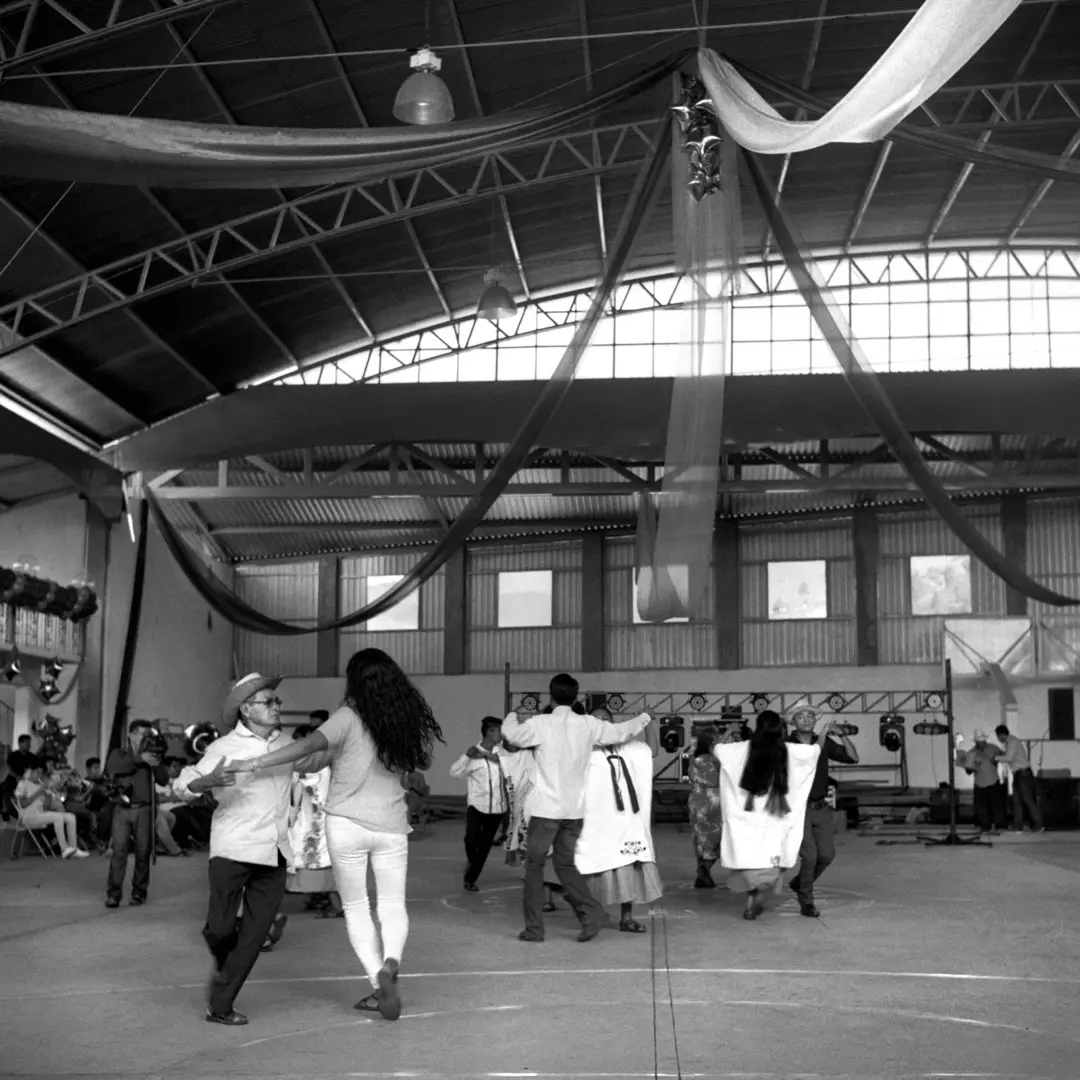
She has said it plainly: as photographers, we are nothing without those who agree to be photographed, and that gets forgotten far too often.
Bilha: the project that wasn't made for London
The series that won the prize portrays eight Indigenous Oaxacan women from different generations, including linguist Yasnaya Elena Aguilar, saxophonist Malena Ríos, and filmmaker Luna Marán — all of whom have become reference points for resistance from entirely different fields: law, linguistics, music, cinema, ecology. Each portrait is accompanied by digital illustrations made by Citlali herself.
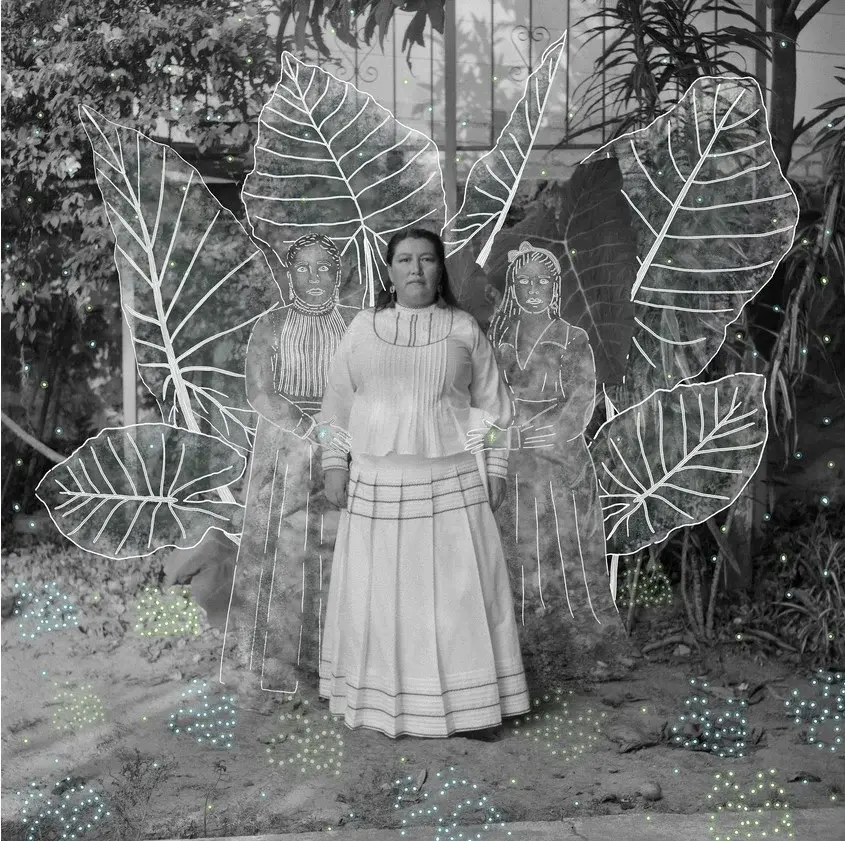
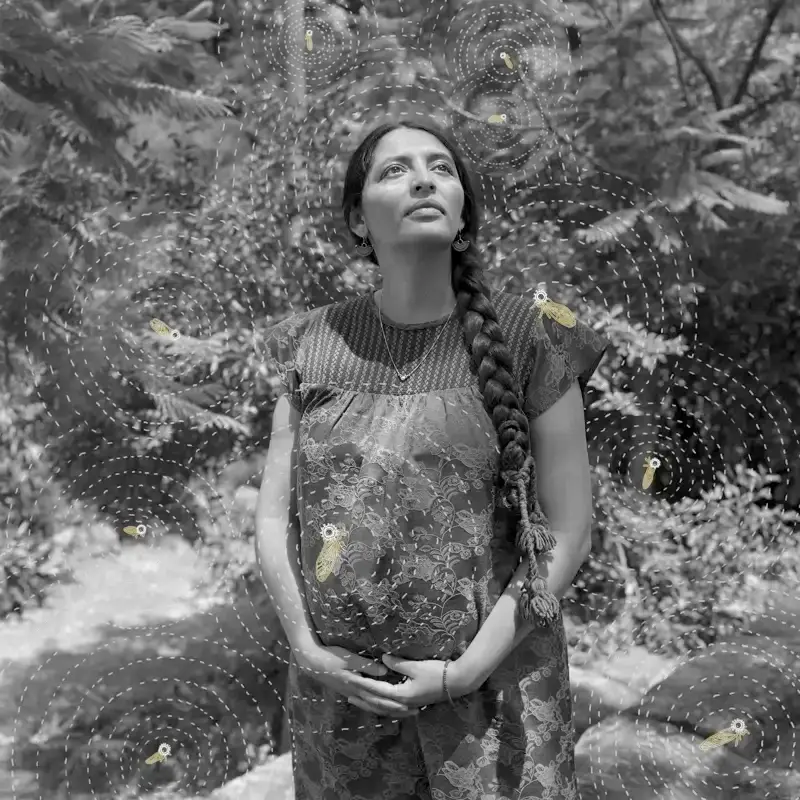
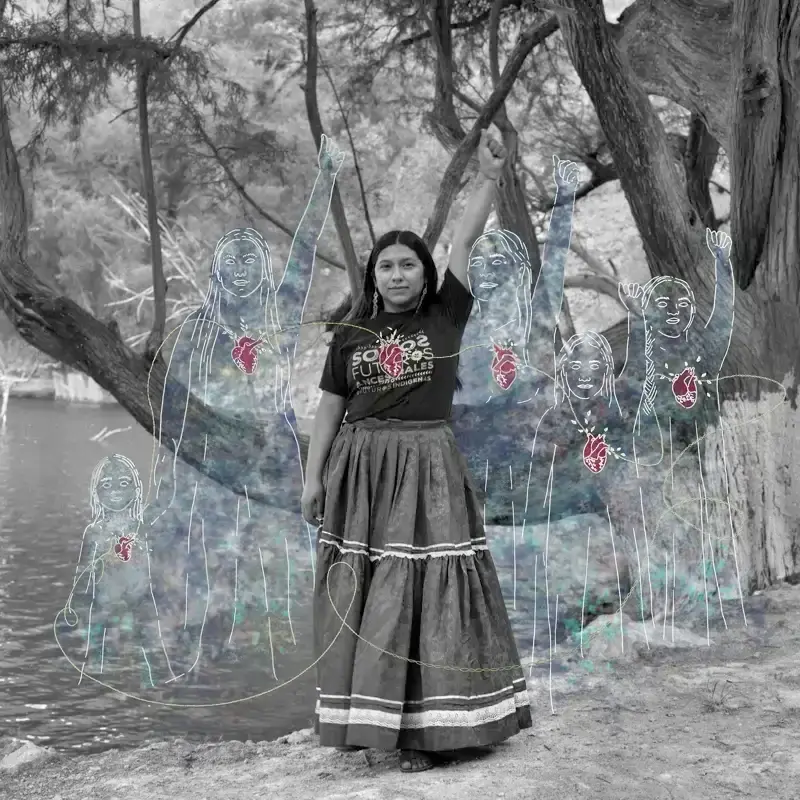
The original plan for the project was not an exhibition at Somerset House. It was a book, meant to be distributed free to Oaxacan girls — because Fabián is aware that access to an international exhibition — or even to the internet — is still a privilege that most of those girls don't have. Bilha wasn't made for Europe to gaze at Oaxaca in wonder. It was made so that a girl from Yalálag can see herself reflected in someone who went far without leaving her community behind.
The real difference
I come back to the photo from the language exchange. The distance between that image and Citlali Fabián's work isn't in technique or subject matter. It's in the question each person asked themselves before pressing the shutter. One saw vulnerability and decided that was aesthetics, without asking what they owed the person in front of the lens. She asks the opposite question from the very first second: what do I owe this person, and how do I build this image with them, not about them.
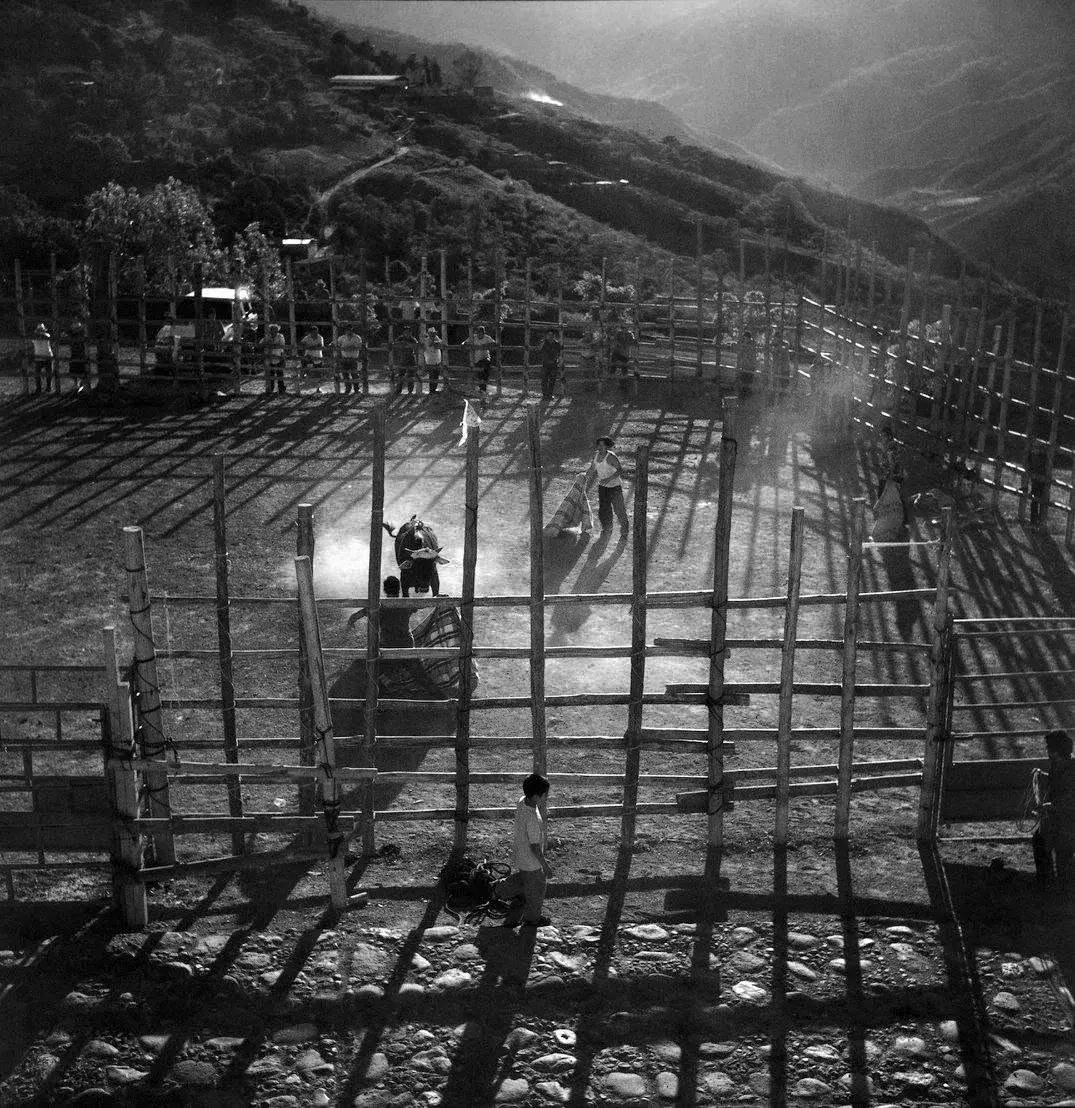
That's the line between art and poverty porn. It's not technique. It's consent, shared time, and who the image serves when the photographer is gone.
If you want to go deeper, it's worth reading the full interview that National Geographic Historia did with Fabián, where she talks about why it's urgent to leave behind the image of the indigenous person as poor and uneducated — an image photography, and much of travel journalism, has repeated for generations.
☕ Did this story move you? Buy us a mezcal to keep writing about culture, identity, and art from Oaxaca: buymeacoffee.com/queondaoaxaca
Got a story or reflection to share? If you have something to say about photography, identity, or Oaxacan culture — write to us at mezcalspeaks@gmail.com. There's always room for your story here.
Want to advertise or promote something? You can do it in our Featured section. It's how we fund this project and keep writing about Oaxaca.
Want to read more reflections on Oaxacan culture, identity, and art? Visit our blog or check out the events guide for the season.