


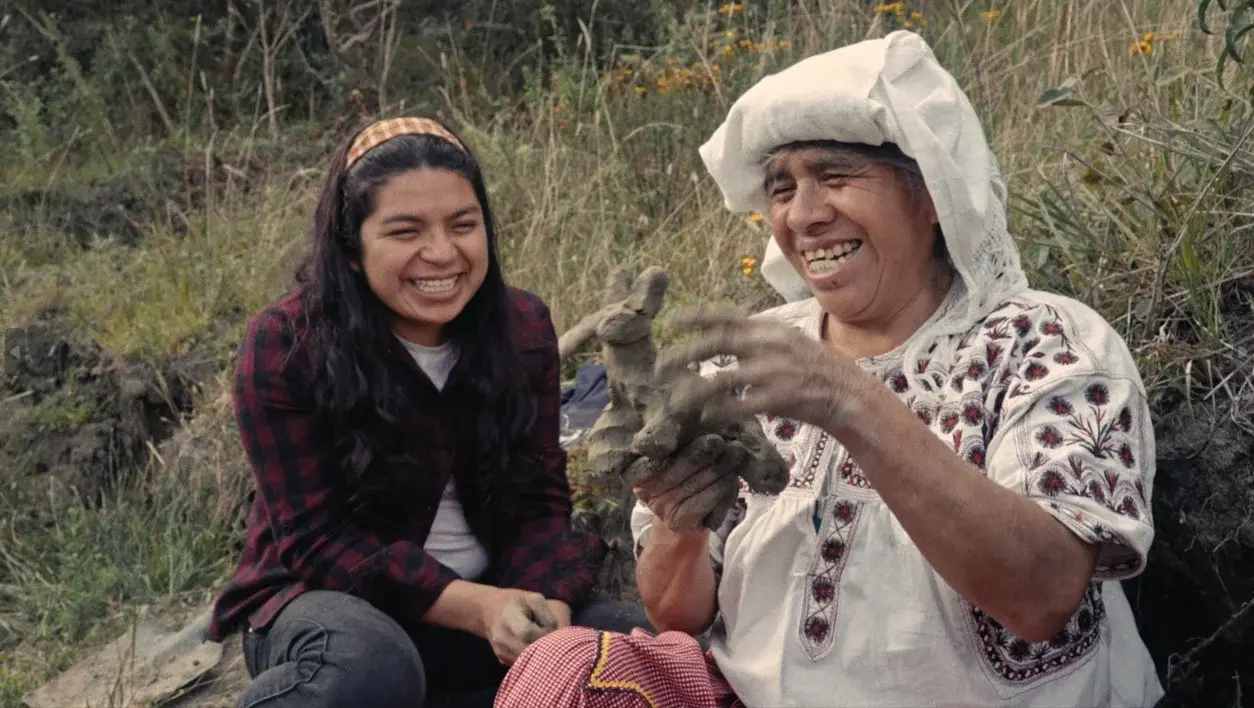
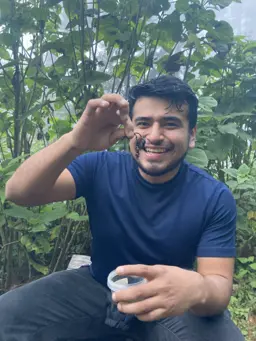
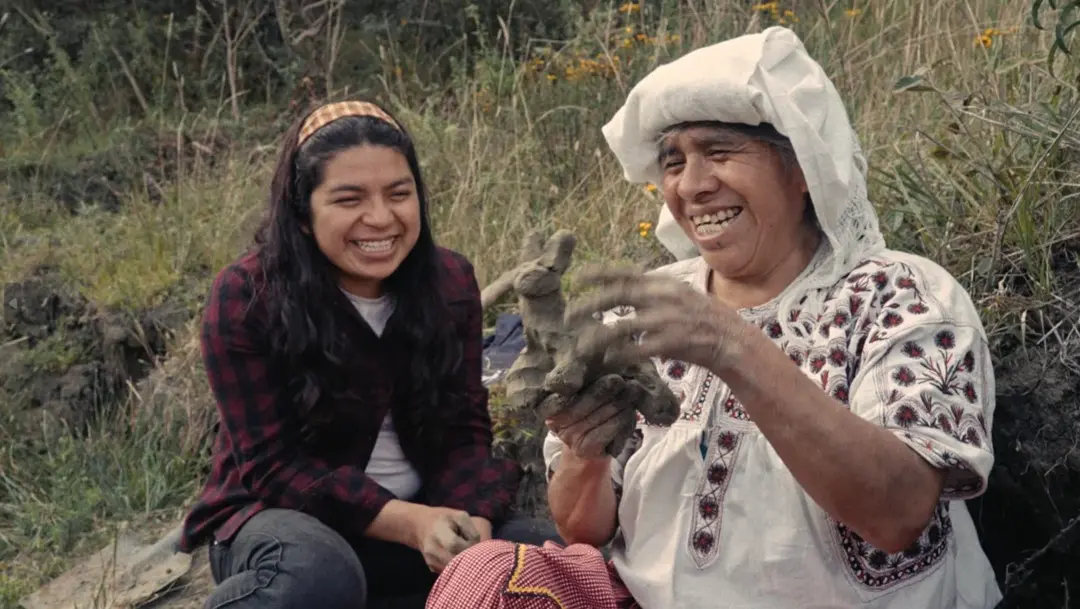
In Santa María Tlahuitoltepec, in the heart of Oaxaca's Sierra Mixe, lives a 66-year-old woman who turned clay into the only tool she had to keep from disappearing. Her name is Rufina Martínez Díaz, and her daughter — Ayuujk filmmaker Concepción Vásquez — decided to tell her story. The result is Mujer de Barro (Woman of Clay), a 17-minute documentary now competing for one of Mexico's most important film awards: the 2026 Premio Ariel, in the Best Documentary Short Film category.
Here's what you need to know about this film, where it came from, and why we at Qué Onda Oaxaca believe it deserves every bit of attention it can get before the ceremony.
What is Mujer de Barro about?
Mujer de Barro follows Rufina, an Ayuujk potter, as she shapes the earth that has sustained her nine children — and that became, over the years, a form of resistance against the machismo, violence, and inequality of her community. The film also weaves in the story of Prisciliana, Rufina's mother and Concepción's grandmother, showing how economic hardship and systematic violence have cut through three generations of women.
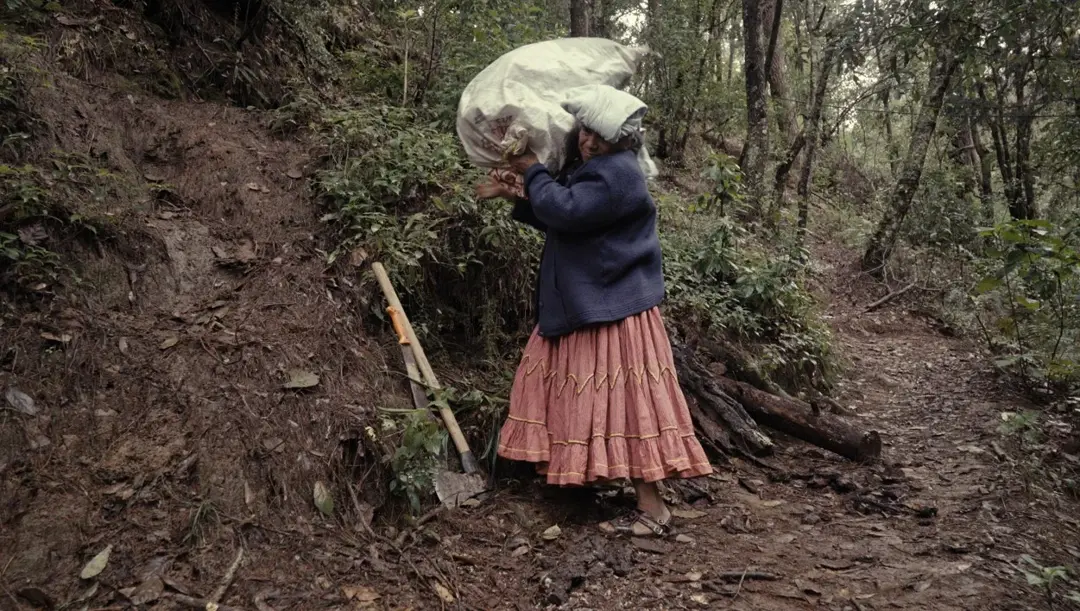
Narrated from the intimate perspective of her own daughter, the film works as both an ethnographic record and a deeply personal document — about the transmission of ancestral knowledge, the economic and social role of women in the home, and the cultural weight carried by every piece of clay that leaves Rufina's hands.
The real story behind the camera
Rufina's life has been shaped by loss, displacement, and resilience. She learned pottery as a girl, but at 15 was forced to migrate to Mexico City with her mother and three sisters, fleeing marginalization and domestic violence. She later returned to Tlahuitoltepec when her father fell ill and eventually passed away. After marrying and having nine children, she faced another loss when her husband died from alcoholism — the same disease that had taken her father.
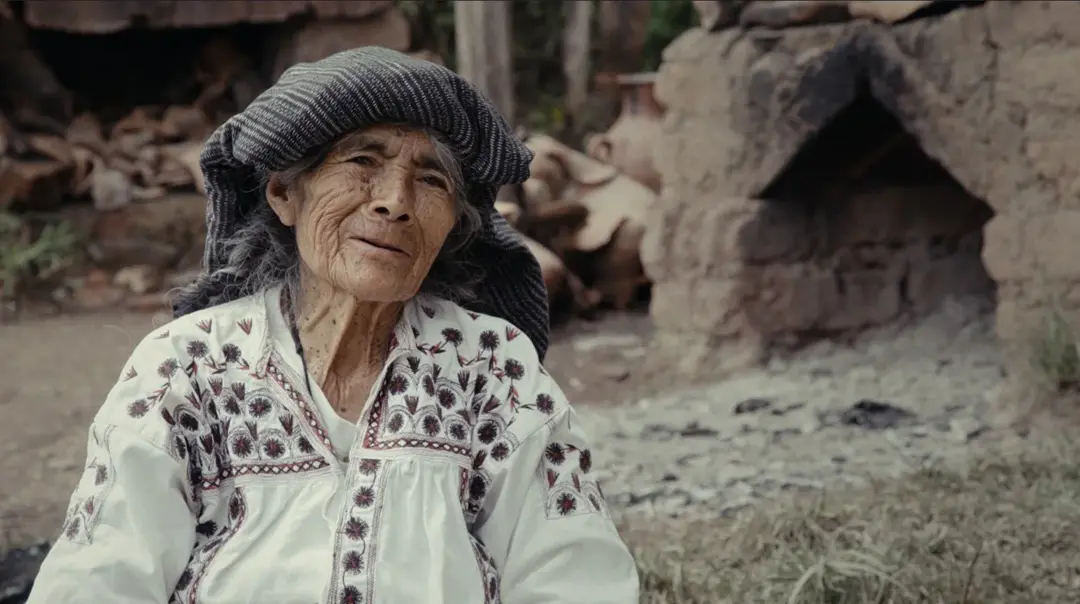
Alone, running her household and raising nine children, Rufina decided to return to what had always driven her: working with clay.
It wasn't easy. She had to fight against price-haggling, discrimination, and deeply rooted community beliefs that pottery was a man's craft. Years later came another blow — a widespread stigma campaign about lead content in traditional glazed ceramics that hit Oaxacan artisans indiscriminately, including those using natural clay and traditional kilns with no harmful glazes — causing a drastic drop in sales and further devaluing the craft.
Through all of it, Rufina persisted. She proved that traditional clay was not only safe and valuable but a living art form. Today she runs her own workshop and leads the family collective Mujeres de Barro Ayuujk. Because of her vision, many people in her community have begun to rediscover and return to this ancestral craft.
Where the project came from
The idea for the film came when Concepción was 18. Watching the work in her mother's workshop, she noticed two things: there was no photographic record of the family's work, and Tlahuitoltepec — a widely known community — was almost always portrayed through outside or foreign eyes.
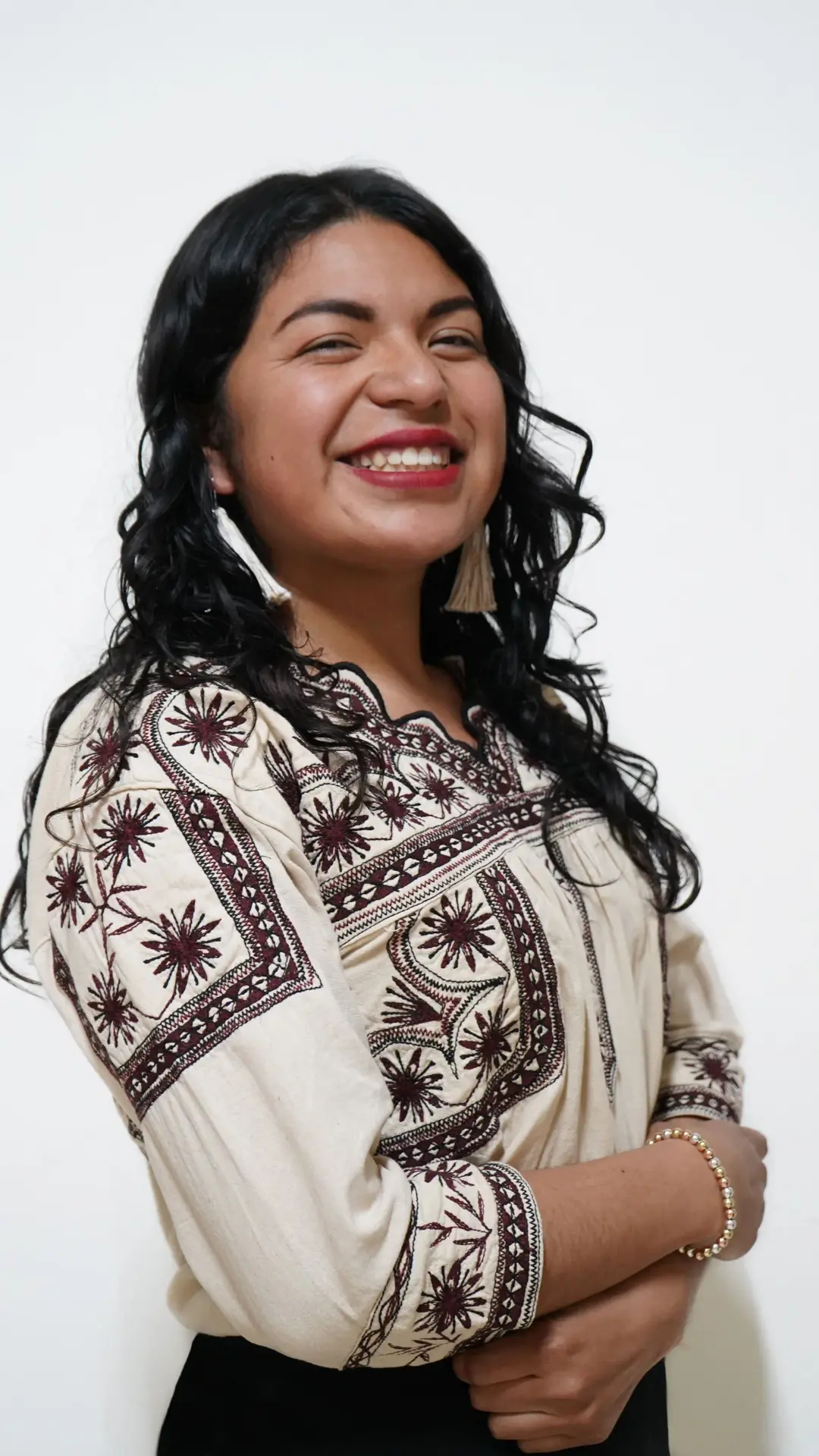
While practicing documentary photography, her daily conversations with her mother about life, pain, and persistence in clay began to take shape. When she reviewed her early recordings, Concepción sought guidance on turning that material into film. In 2020 she joined IMCINE's screenwriting workshops, formally beginning the road to Mujer de Barro.
Healing between women, and the decision to make cinema
Being filmed brought out a deep trust in Rufina toward her daughter. The process of shooting together opened a space of healing across the three generations — Prisciliana, Rufina, and Concepción — letting them speak about guilt, release old wounds, and strengthen their family bonds.
That experience also resolved something Concepción had carried for years: whether to follow her family's pottery craft or commit to cinema. But behind that decision is a deeper reflection — something she has noticed in Tlahuitoltepec: the idea, often internalized within the communities themselves, that documenting and telling stories is work that belongs to outsiders, and that when someone from inside decides to do it, it feels strange — almost suspect. With her Ariel nomination, Concepción is clear about where she stands:
"We need to do this ourselves, from the inside... there is so much history in my community, but nobody tells it, precisely because people believe we don't deserve to, or maybe because it's only for white people."
For other young women from Indigenous communities who dream of making films, Concepción's advice is to start by documenting daily life with whatever you have — a phone, a recorder:
"Believe that our stories count and that they matter."
Spoken in Ayuujk
One of the most deliberate decisions in the documentary is that it is spoken entirely in Ayuujk, with Spanish subtitles. For the director, this goes beyond technique:
"The most beautiful thing is showing our language."
Language is also a way of thinking, feeling, and understanding the world. Telling this story in its own tongue carries an emotional depth that Spanish cannot replicate.
Four years, twenty-five people, and no film studio
Concepción has a degree in Community Development. Her filmmaking training began as self-taught practice and through workshops starting in 2020. The project gained decisive momentum in 2022 when it received the ECAMC grant (Estímulo a la Creación Audiovisual para Pueblos Indígenas y Afrodescendientes / Audiovisual Creation Grant for Indigenous and Afro-descendant Peoples).
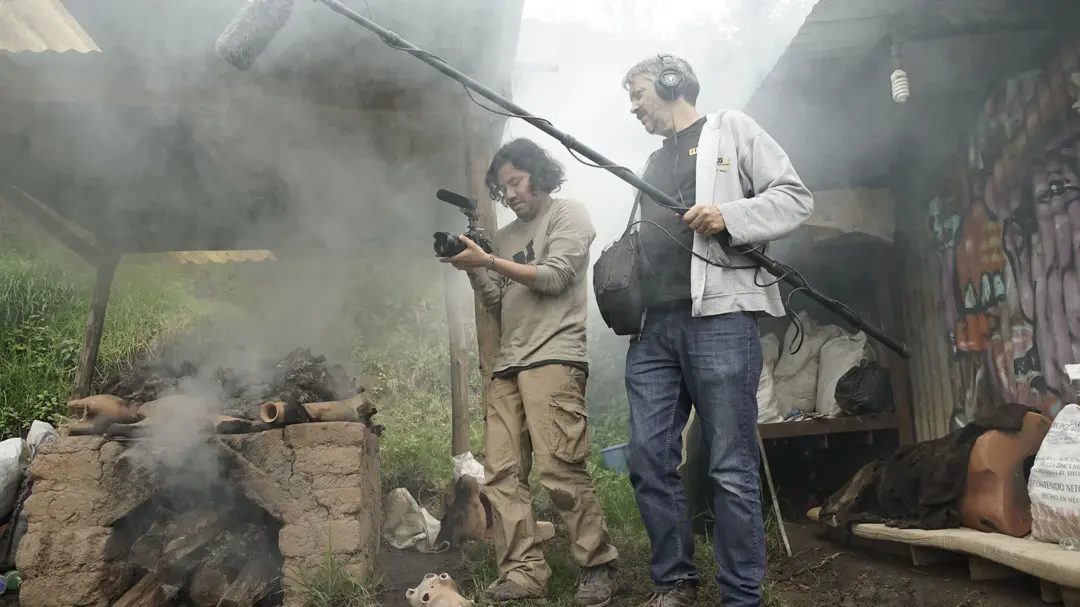
After finishing post-production in 2024 and premiering in 2025, the project completed nearly four years of self-managed work. With no major production companies behind it, the film came to life through the collaboration and support of 25 people from Concepción's own community.
Concepción is currently developing her next documentary — a personal story about her father's life, exploring memory and absence through testimonies, conversations, and personal objects.
From the Sierra Mixe to Europe, Cuba, and the Ariel
Mujer de Barro had its international premiere at the Málaga Film Festival (2025) in the "Affirming Women's Rights" section. Since then it has traveled to One Country One Film in France, the International Ethnographic Film Festival "Ilinden Days" in Macedonia, and the Morelia International Film Festival (FICM). In Cuba, at the Santiago Álvarez in Memoriam Festival, it won awards for Best Short Film and Best First Work.
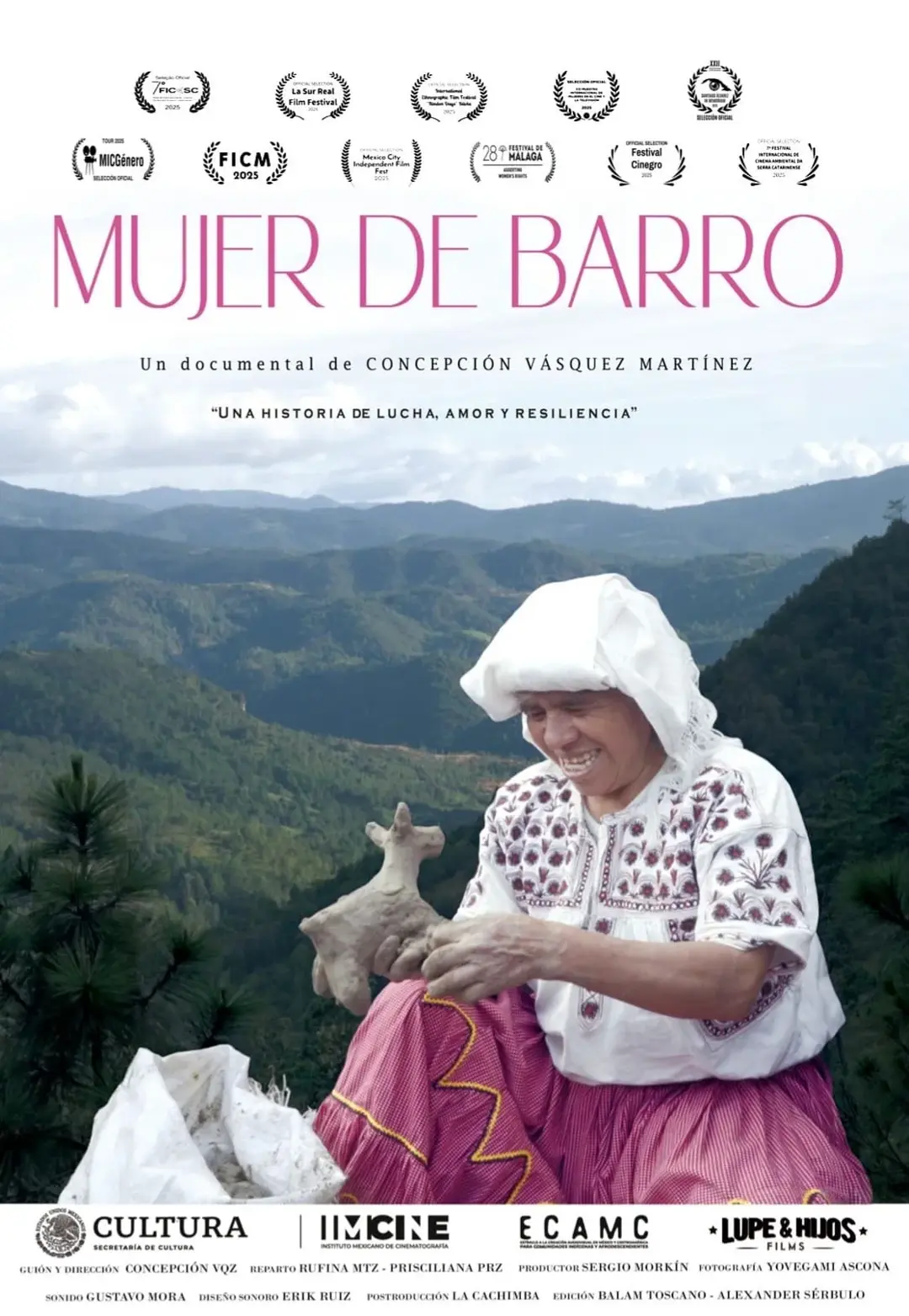
Today it competes at the 2026 Premio Ariel for Best Documentary Short Film. Concepción, 25, reflects on the weight of the nomination:
"These spaces had been denied to us — being here is a tremendous opportunity."
A recognition she dedicates entirely to her mother, Rufina.
Why this matters
At Qué Onda Oaxaca we believe firmly in the urgency of narrating our territory through the voices of our own communities. Mujer de Barro is a daughter filming her mother in their native language about an ancestral craft now competing at the highest level of national cinema. Stories like this deserve to be seen, heard, and celebrated.
I say this from my own corner too: telling Oaxaca from the inside, as we try to do in this imperfect space, sometimes makes people uncomfortable. Not only those who come from outside — often those from here as well, accustomed to the idea that whoever observes, documents, and narrates is always someone else. More than once I've been questioned, by both foreigners and locals, for writing about my own land. And it has left me thinking that maybe we've grown so used to being seen and told through an external lens that when the lens is our own, it gets treated as something strange, almost out of place.
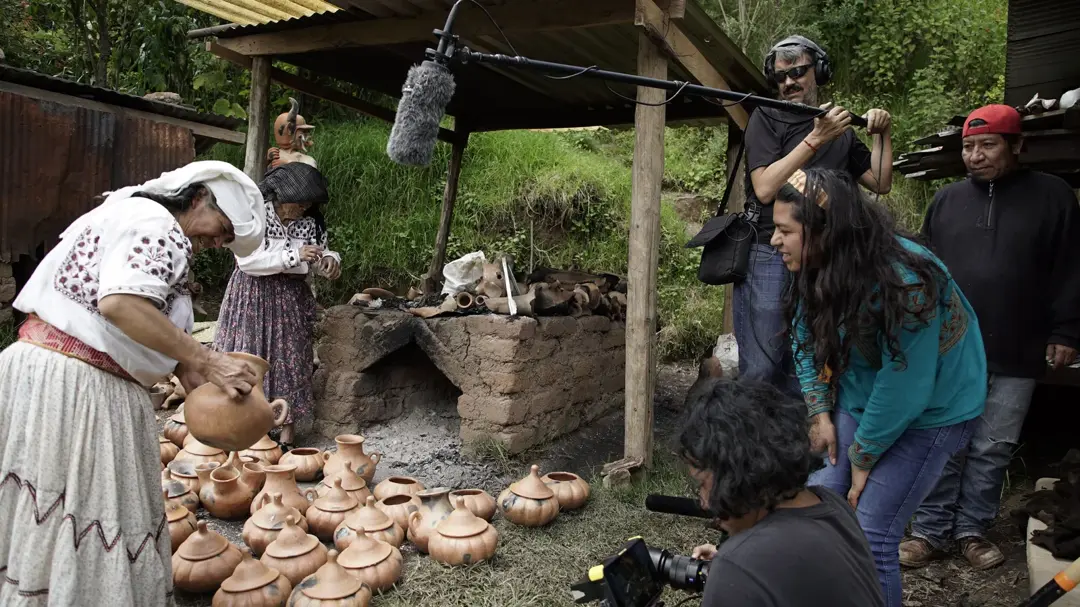
That's why a story like Mujer de Barro matters so much: it's Concepción filming her mother, in their own language, about a craft that has existed for generations — told from the inside, without asking permission from anyone but herself. And above all, it's an invitation for more people from our communities to find the courage to tell what can only be told from within.
The documentary is only 17 minutes long. If you get the chance to watch it, don't pass it up.
☕ Did this story move you? Buy us a mezcal to keep writing about cinema, culture, and Oaxacan identity: buymeacoffee.com/queondaoaxaca
Got a story from your community? If you come from the sierra, the Valles Centrales, or anywhere in Oaxaca and want to share a story, reflection, or tradition — write to us at mezcalspeaks@gmail.com. There's always room for your story here.
Want to advertise or promote something? You can do it in our Featured section. It's how we fund this project and keep writing about Oaxaca.
Want to read more about Oaxacan cinema, culture, and identity? Visit our blog or check out the events guide for the season.