This article contains affiliate links. If you book or hire through them, I earn a small commission at no extra cost to you. Thanks for supporting Qué Onda Oaxaca.
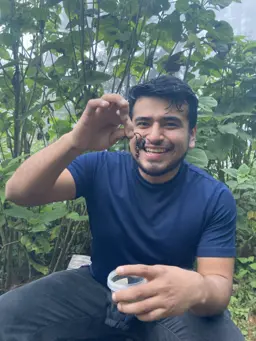
I didn't grow up in the city. I came from San Juan Juquila Mixe, up in the Sierra, and for a long time Oaxaca de Juárez felt the same to me as it does to most visitors: a huge, noisy, and deliciously confusing place I couldn't quite figure out — partly because circumstances meant moving between boarding schools and scholarship programs in other states before I could settle here properly. I now live in Atzompa, and almost every week someone asks me the same question: what should I do in Oaxaca?
Most lists online give you the same top 10. Almost none tell you what time to show up, which local bus to take, or when hiring a guide is actually worth it. This guide is what I'd tell a friend: the classics that genuinely deliver, the hidden places most people miss, what you can do on your own, and the tours I'd actually recommend.
One honest warning before we start. Oaxaca isn't the picture-perfect magic town you see in some guides — it's a real city with traffic, protests, and the best pan de yema you'll ever taste. All three things are true. And if you come for three days, you'll leave hungry. Not for food. For time.
Before you go: what nobody explains
When to come. Dry season runs October through April. The sweet spot is October, February, and March — good weather, fewer crowds than Guelaguetza season, none of the dry heat of May. Día de Muertos (Oct 31–Nov 2) and Noche de Rábanos (Dec 23) are spectacular, but book ahead. Getting around without overpaying. Local colectivos and second-class buses are safe, reliable, and very cheap. Quick reference:| To | Where to board | Approximate cost one way |
|---|---|---|
| Tule, Teotitlán, Tlacolula, Mitla | Stops near the Eduardo Vasconcelos Baseball Stadium | Bus from $18 MXN; shared taxi $25–50 MXN |
| Hierve el Agua | From Mitla, in vans that leave when full | $75 MXN, plus community toll $15–20 MXN |
| Monte Albán | Shuttles from Hotel Rivera del Ángel lobby (Mina 518) from 8:30am | Around $130 MXN round trip |
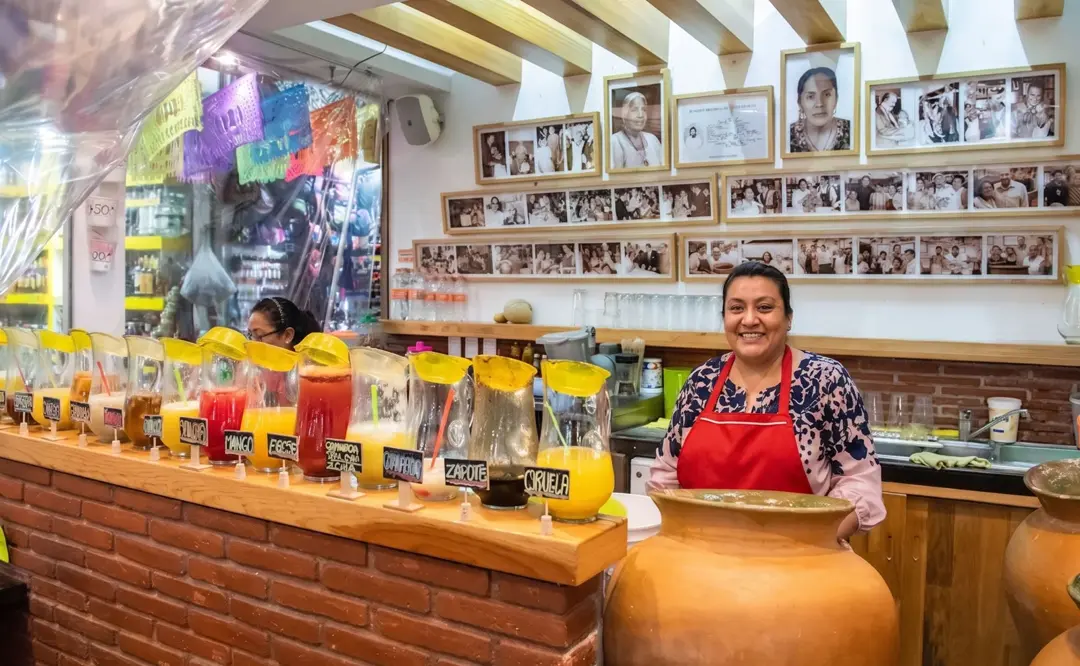
| Ocotlán | Automorsa buses and vans, every 20 minutes | Ask on board |
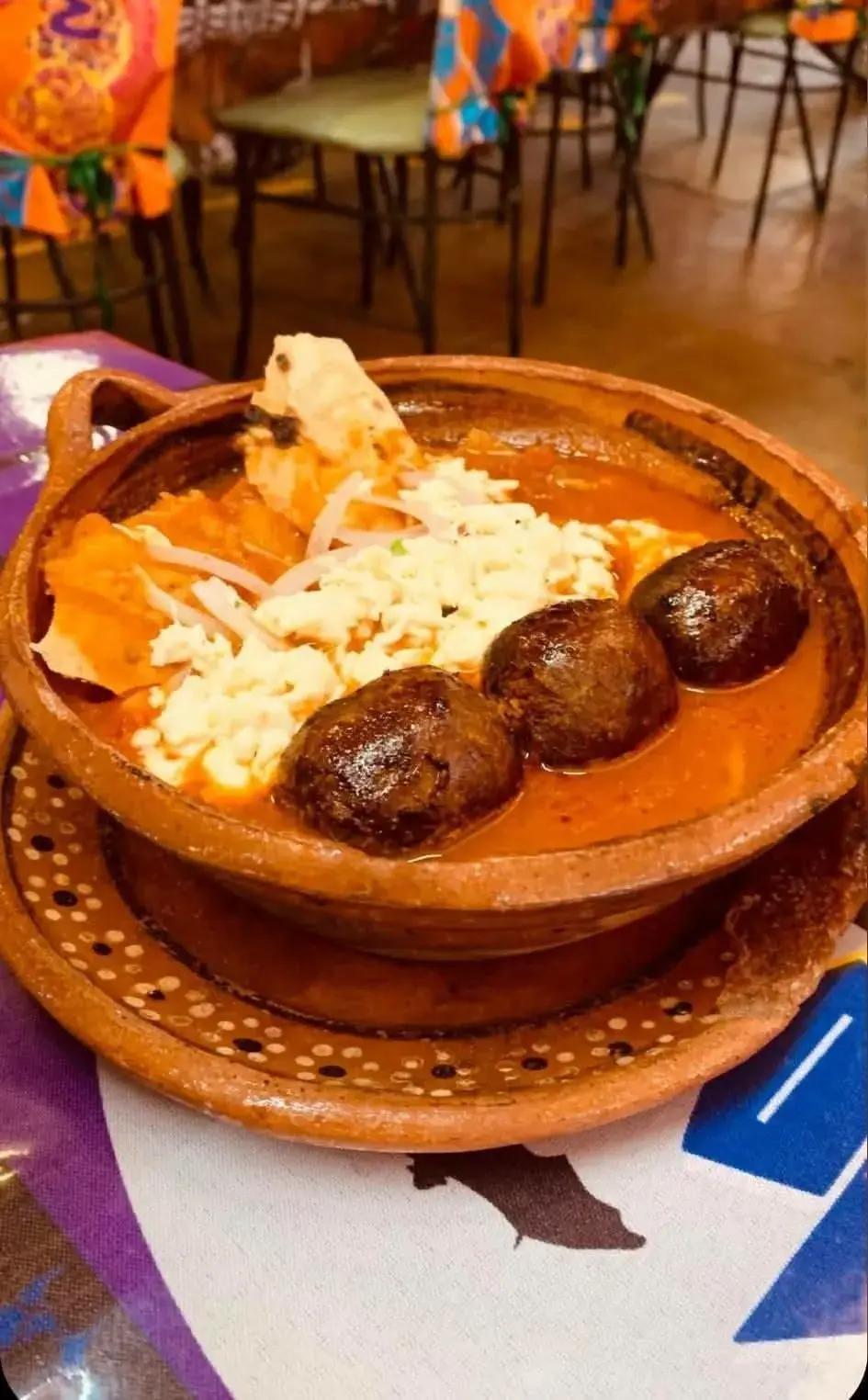
| San Agustín Etla | Colectivos at Central de Abastos, sign reads "San Agustín" or "Sitio el Cárcamo" | Ask on board |
If you plan to explore several villages on your own — Hierve el Agua in the afternoon, the Sierra Norte, Apoala, or the coast — renting a car gives you the most flexibility.
Cash. Bring it. Markets, colectivos, and artisan workshops don't take cards. ATMs exist in the city center but fail in rural areas — withdraw before leaving town. If you're traveling with a strong currency, being generous with locals has a real impact: tourism is one of the few stable income sources here. Buy directly from artisans, producers, and guides when you can. Blockades and marches. These happen regularly and are part of Oaxacan life. Check local news before heading out to villages. City marches usually clear in a few hours; highway blockades can last days. Altitude and sun. The city sits at 1,550 m (5,085 ft). The sun is intense even when the air feels cool: hat, sunscreen, and water from day one. Where to stay. The Centro and Jalatlaco are the most walkable areas. For something quieter, Xochimilco and La Noria are good options.If you only have time for five things
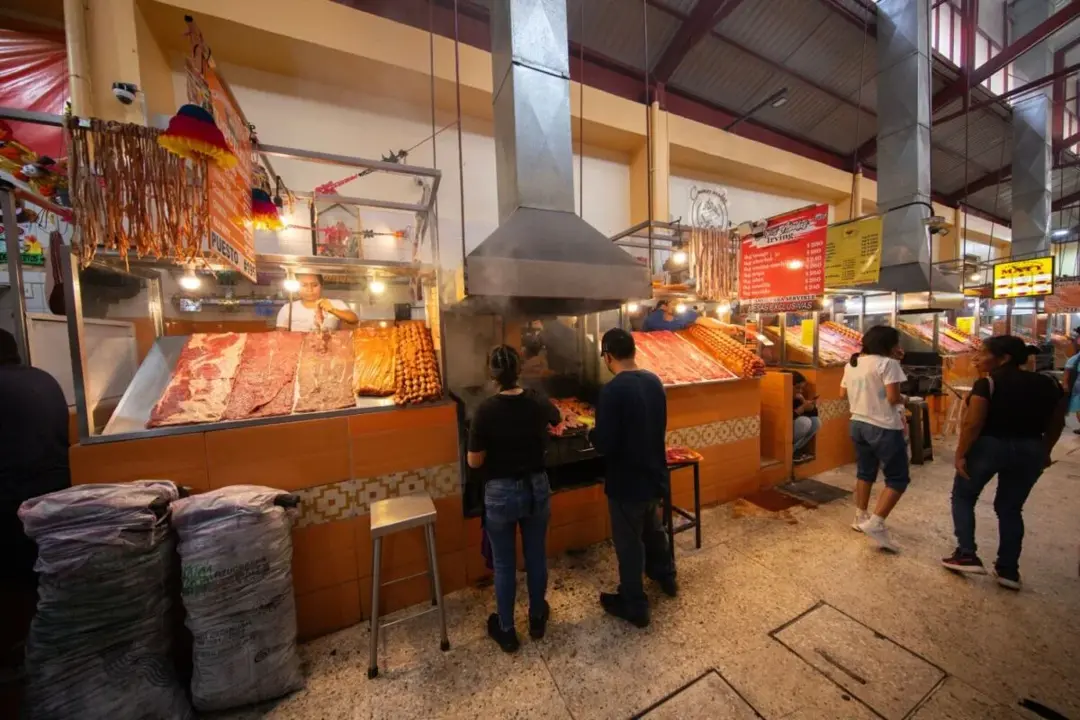
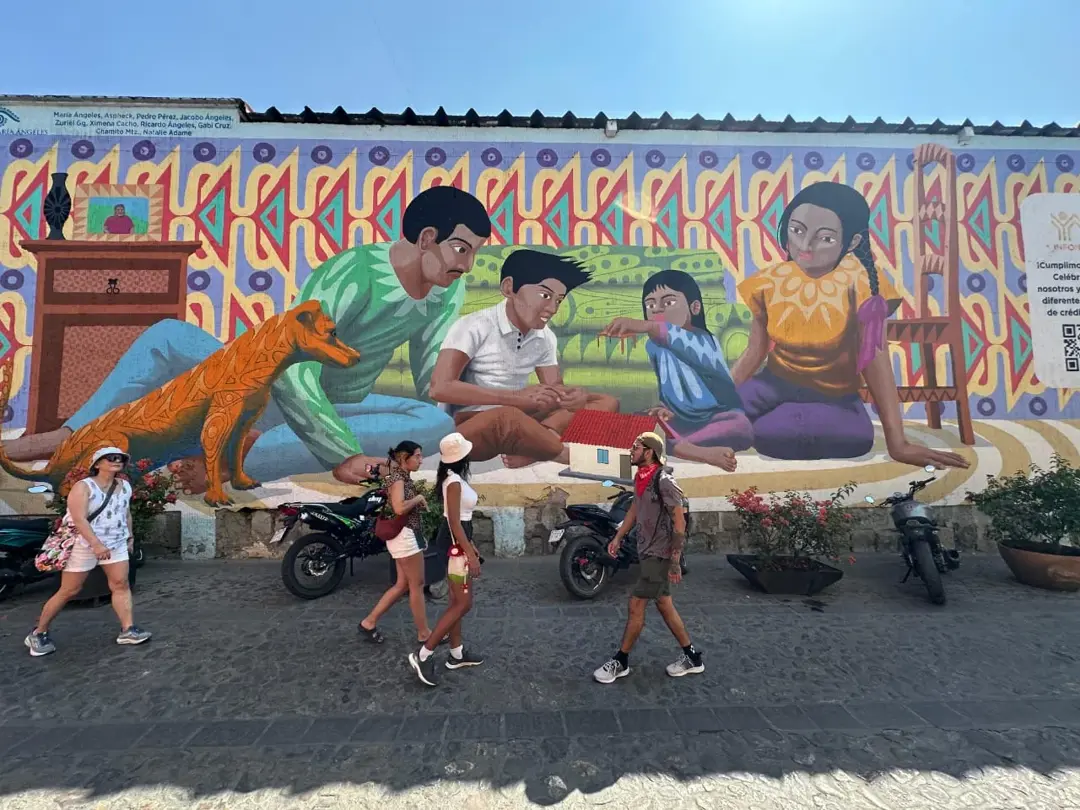
1. Eat in the smoke corridor at Mercado 20 de Noviembre. Choose your meat, watch it get grilled in front of you, and eat alongside half of Oaxaca. 2. Get to Monte Albán early. Before the strong sun and the big tour groups. 3. Walk Jalatlaco with Julio and Elece. A free tour of murals and printmaking workshops with people who live off art. 4. Catch a market day. If it falls on a Sunday, go to Tlacolula. 5. Take a cooking or salsa class. It's the only piece of Oaxaca you can actually bring home in your bag.
My three favorites to book
If you're going to pay for anything, let it be these.
To understand the food before you eat it: the gastronomic market tour takes small groups through the Centro markets — smoke corridor, grasshoppers, chocolate mills — with someone who knows exactly what you're eating and where it comes from.
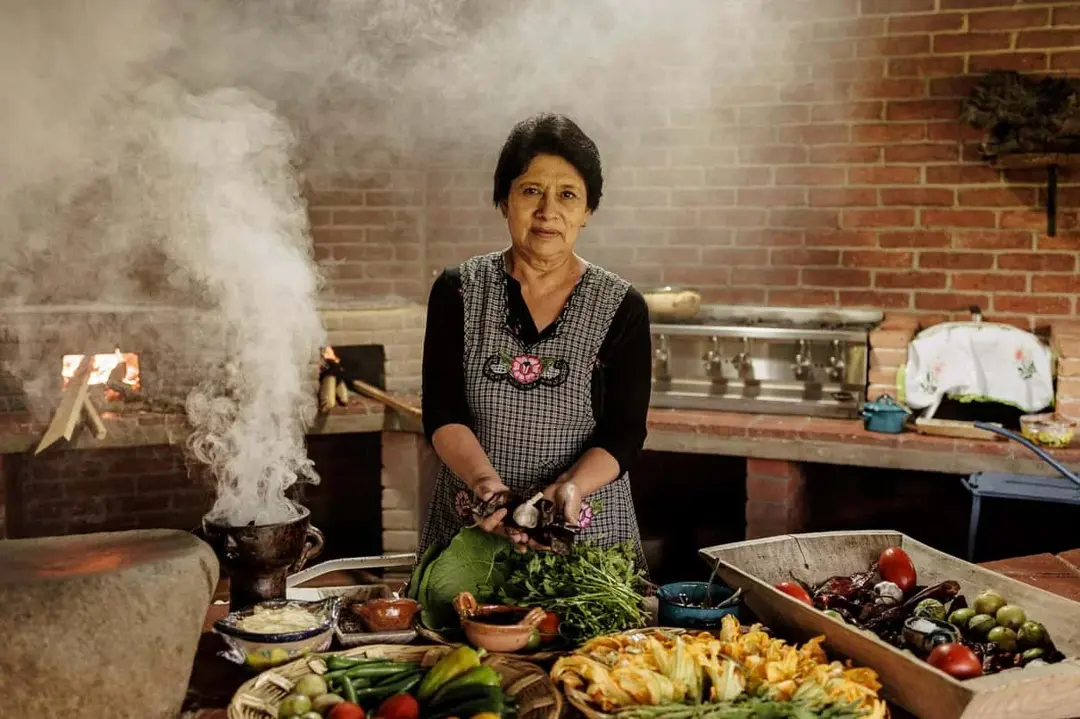
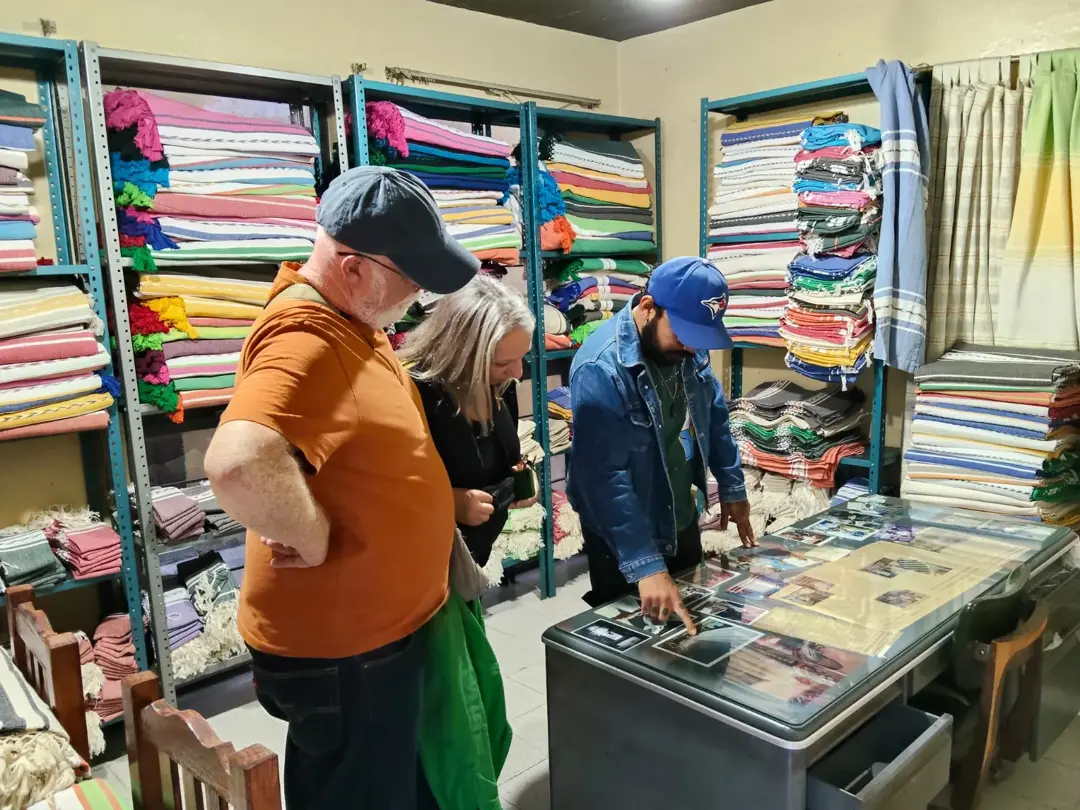
To bring Oaxaca home in your hands: the traditional Oaxacan cooking class is the kind that feels like being at someone's home. Five hours learning to make black mole, tortillas, and salsas from scratch with market-fresh ingredients.
To see the eastern valleys in one day: the Hierve el Agua, Mitla, Tule, tapestry workshop and mezcal distillery tour covers in one go what would otherwise take two days of colectivos and logistics.
And a free one you can't miss: the Jalatlaco murals and printmaking workshop free tour with Julio and Elece, two artists who tell you the neighborhood from the inside. Book for free, tip at the end — that part isn't optional.
Was this useful? If this guide saves you time or money, buy us a coffee to keep it updated — or grab something from our shop.
Tourist attractions in Oaxaca City
Historic Center
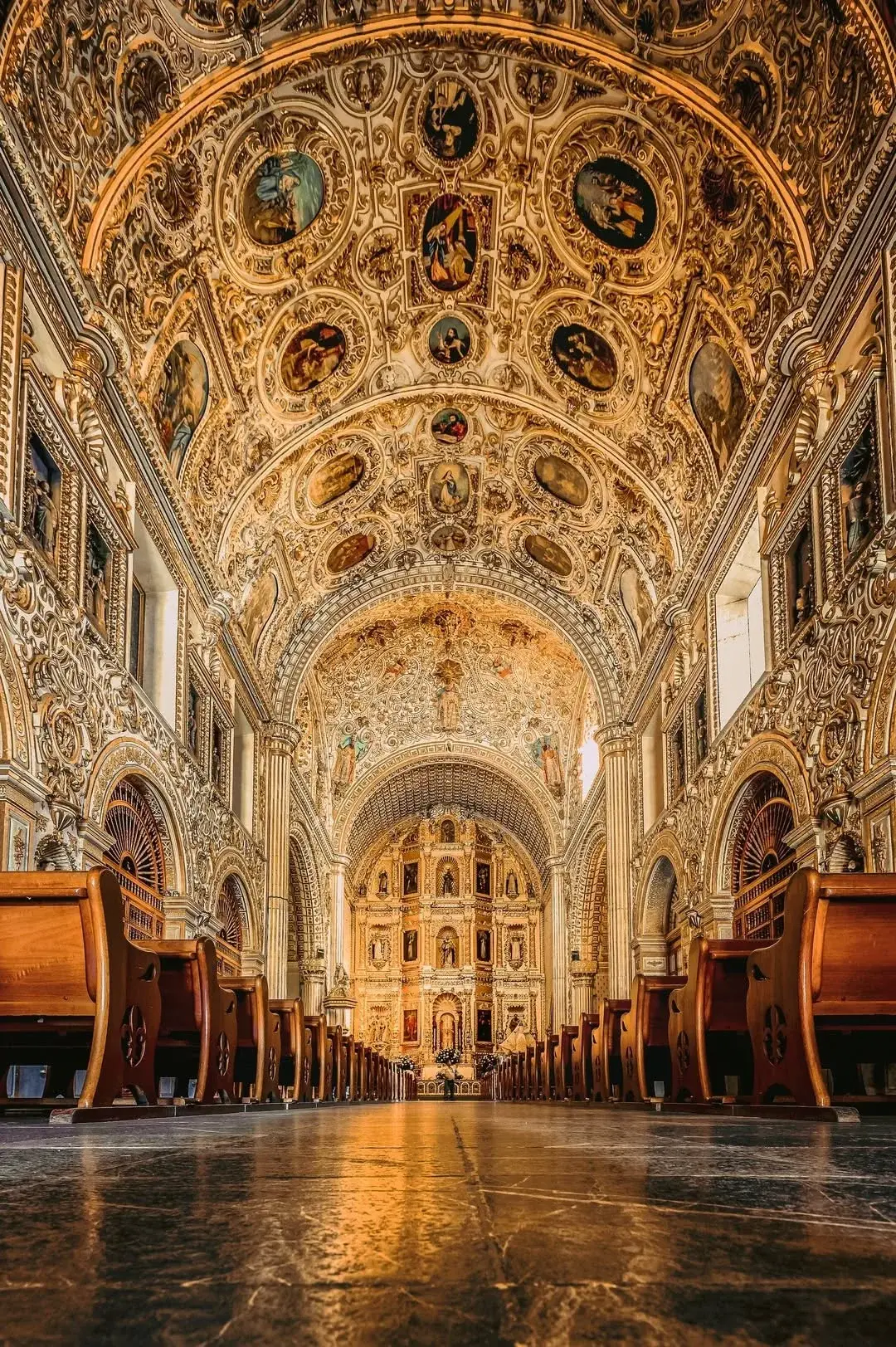
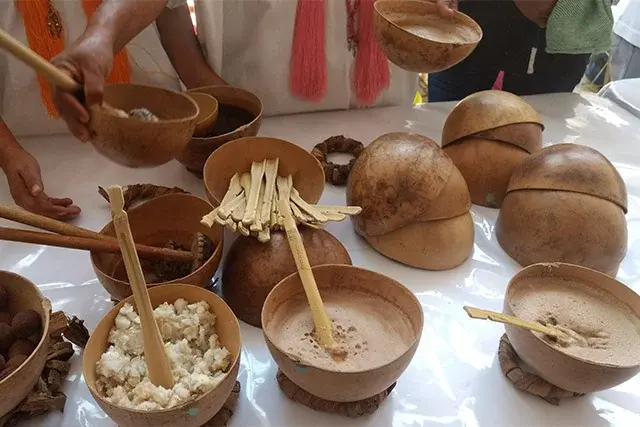
1. Templo de Santo Domingo de Guzmán. Gold everywhere and a vaulted ceiling you won't expect. Entrance to the church is free; leaving a small coin is a nice gesture even if you're not religious. 2. Museo de las Culturas de Oaxaca. The entire history of the state in a former Dominican convent, with the gold treasure of Tomb 7 from Monte Albán. Entry: $105 MXN nationals, $210 MXN foreigners; free Sundays for Mexicans with INE. Tue–Sat 10am–5:30pm, Sun 10am–3:30pm. 3. Jardín Etnobotánico. All of Oaxaca's flora in a former military barracks, rescued by Francisco Toledo. Guided tours only; hours change without notice — go directly to the entrance at Constitución and Reforma and ask. 4. Andador Macedonio Alcalá and the pozontle almost no one knows. Walk up to La Cosecha, the organic market at the top of the pedestrian street. There's a stall serving pozontle — a ceremonial drink from Yalaltag in the Sierra Norte, made from cacao, corn, and cocolmeca, beaten with a molinillo until foamy — and other ancestral drinks: tejate, tepache, pulque, and aguamiel. 5. Zócalo and Cathedral. For sitting and watching life go by, as locals do on Sundays. Check our events calendar so you don't miss anything. 6. Teatro Macedonio Alcalá. One of the most beautiful buildings in the Centro. Check the program: sometimes there are cheap or free performances. 7. Basílica de la Soledad and its ice cream. Home of the city's patron saint, and across the street: the leche quemada con tuna (scorched milk with cactus fruit) ice cream from Nieves Chagüita, over 40 years in the same spot. Ask for a beso de ángel or a tasting flight with mezcal. 8. Museo Casa de Juárez. The house where Benito Juárez lived as a young man, a few blocks from Santo Domingo. He arrived in this city at 12 without speaking Spanish and became Mexico's only indigenous president. Well worth a visit.Markets
9. Mercado 20 de Noviembre — the smoke corridor. Choose your meat (tasajo, cecina enchilada, chorizo, or tripe), order it by weight, watch it get grilled in front of you, and eat at long communal tables. Tortillas are sold by women who walk between tables; salsa, guacamole, and lime are ordered separately. Pay each vendor in cash. You leave smelling of smoke and happy. If you're feeling adventurous, try the tripe broth at Los Agachados inside the same market: pancita with chile verde, onion, chickpeas, cilantro, and lime. Not for everyone — which is exactly why you should try it. 10. Mercado Benito Juárez. Chapulines (grasshoppers), quesillo, chocolate, and the aguas frescas of Doña Casilda: a stall approaching 100 years old, served in giant clay pots. Ask for horchata con tuna. 11. Mercado de La Merced. My favorite for a sit-down meal. Fewer tourists, fonditas where neighborhood people eat breakfast. Try Fonda La Rosita: chilaquiles with tasajo and quesillo, with hot chocolate de agua. Mondays: 2-for-1 on chilaquiles.Museums and art
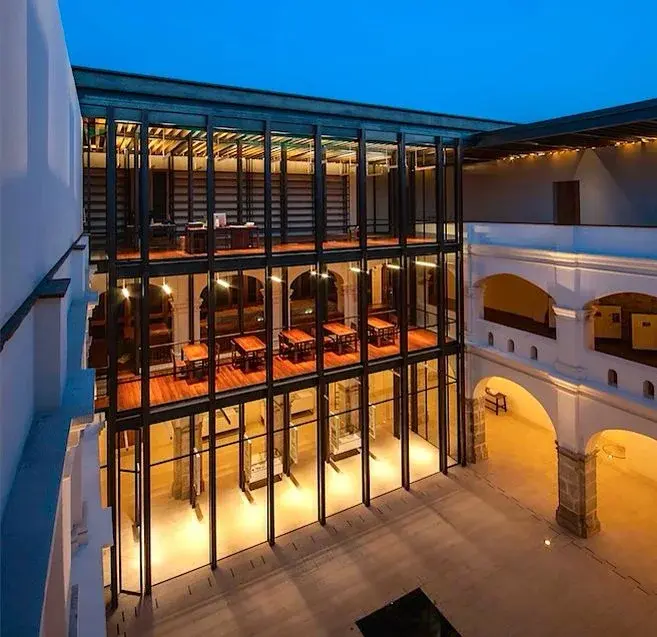
12. Museo Rufino Tamayo. Pre-Hispanic art through a painter's eye. Reopened after restoration in late 2025; looks better than ever. Entry: $90 MXN; free Sundays for Mexicans with INE. Closed Tuesdays. 13. Museo Textil and Centro Cultural San Pablo. Huipiles, natural dyes, and a no-haggling shop (#YoNoRegateo). Both free. Mon–Sat 10am–8pm, Sun 10am–6pm. 14. Centro Fotográfico Manuel Álvarez Bravo (CFMAB) and IAGO. The CFMAB holds archives of Cartier-Bresson, Modotti, Iturbide, and Salgado. Seven galleries, photography library, and sound archive. Free entry. The IAGO, facing Santo Domingo, has the most complete art library in the country, open to anyone. 15. Museo de Filatelia (MUFI). Sounds boring until you walk in: unique in Latin America, with over 200,000 pieces. Free. Tue–Sun 10am–8pm.Neighborhoods
16. Jalatlaco. The most photographed neighborhood in the city. Next to the Templo de San Matías are coconut palms planted by the friars, older than the church itself. And there's El Mural Que Debió Ser: the mural that machismo denied to painter María Izquierdo, which decades later a feminist movement painted anyway. Best with Julio and Elece. 17. Xochimilco and its aqueduct. An 18th-century aqueduct that people use as a wall, a door, and a bench. A neighborhood of bakeries, chocolate, and quiet streets ten minutes from the Centro.Viewpoints and parks
18. Cerro del Fortín and Guelaguetza Auditorium. The best view of the city. Go in daylight when there are other people around. 19. Parque El Llano. Evening plan: Taquería El Padrino (crispy tripe), Hamburguesas Santa Fé (eight salsas), and the Lupita corn cup stall. 20. El Panteón General. Unusual, imaginative funerary architecture; inside, the ruins of an abandoned chapel growing between the tombs. For Día de Muertos it fills with candles. Come respectfully: this is an active cemetery with families, not a photo set.Historic Center in detail
Santo Domingo and the Museo de las Culturas
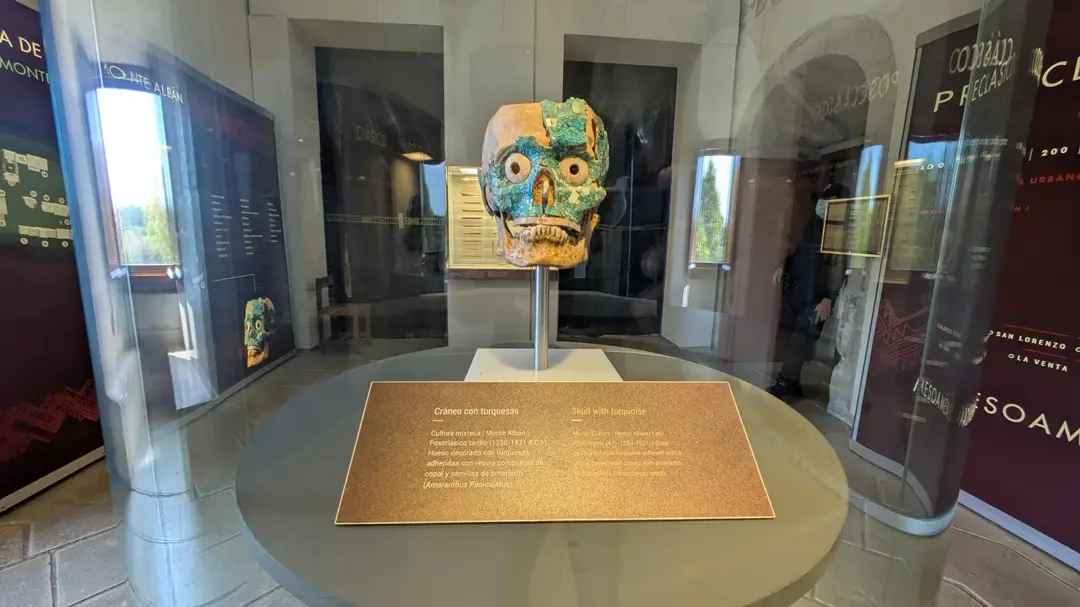
The church is free and stunning. The museum, in the former Dominican convent next door, is the first one I'd recommend before any other: one building tells you all of Oaxaca, from pre-Hispanic peoples to today. The highlight is the Tomb 7 treasure — gold Mixtec pieces found by archaeologist Alfonso Caso in 1932. Allow two to three hours.
Tip: enter the church at sunset, when the light hits the gold.
Jardín Etnobotánico
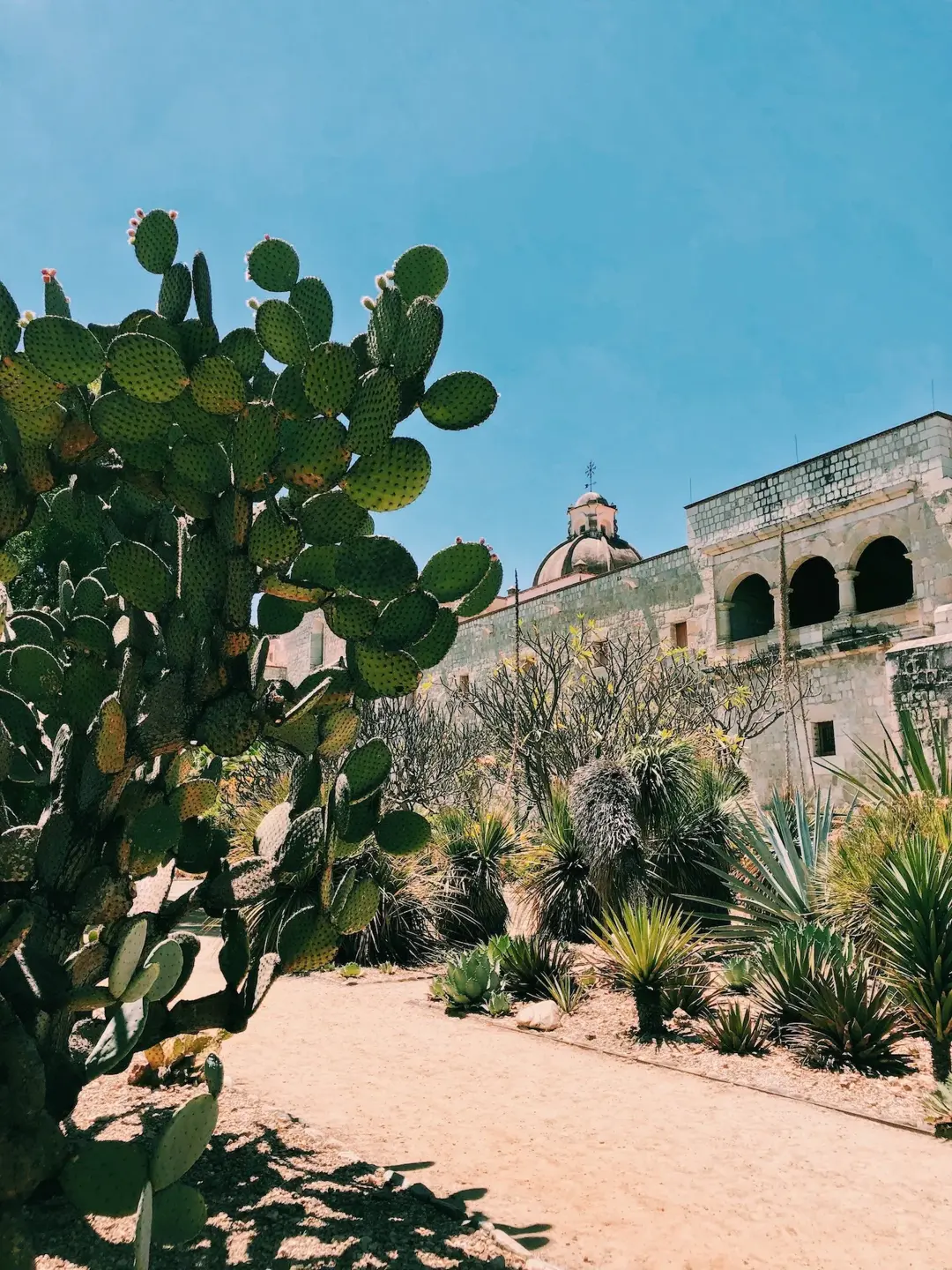
All of the state's flora in the former Dominican barracks, rescued by Francisco Toledo and the IAGO. The collection includes medicinal plants, agaves, copal trees, and species from ecosystems that no longer exist outside. Guided tours only; hours change without notice, so go directly to the entrance at Constitución and Reforma.
The andador and the pozontle almost no one knows
The Andador Macedonio Alcalá is the city's tourist promenade. Walk it, but don't stick to the obvious: continue to La Cosecha, where a stall serves pozontle — a ceremonial drink from the Sierra Norte — beaten by hand with a molinillo until it foams. It's rare to find in the city. While you're there: tejate, agua de chilacayota (gourd sweetened with piloncillo), tepache, and aguamiel.
Zócalo, Cathedral, and the Basílica de la Soledad
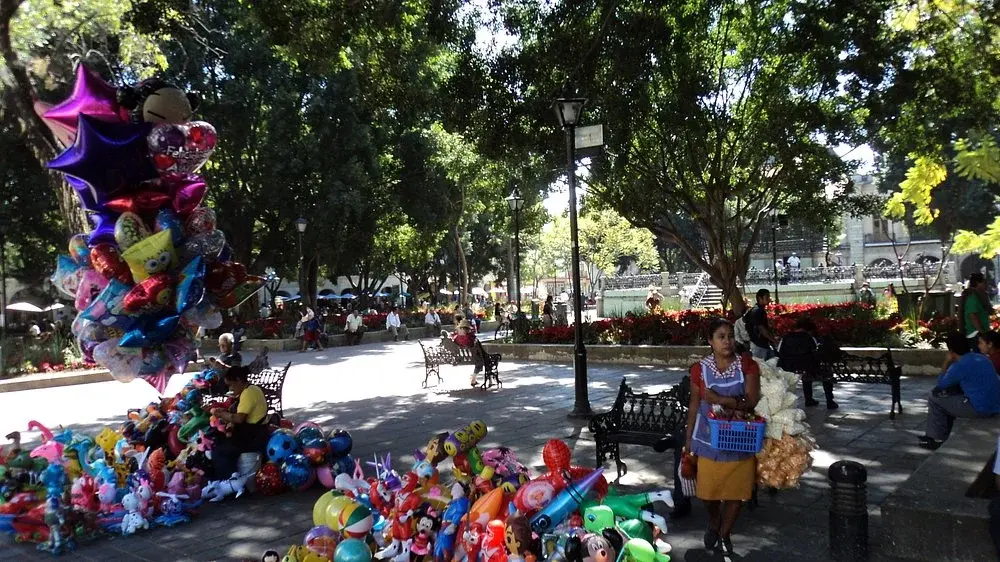
The Zócalo is the city's heart: on Sundays it fills with families, musicians, and people who have been sitting for hours doing nothing in particular. That's how it's done here. If you're lucky you'll catch a Bajo el Laurel concert.
The Basílica de la Soledad, a few blocks away, is home to the city's patron saint. Across the street: the leche quemada con tuna ice cream from Nieves Chagüita, over 40 years in the same spot. Ask for a beso de ángel or a mezcal tasting flight.

Jalatlaco: murals, workshops, and trees with a story
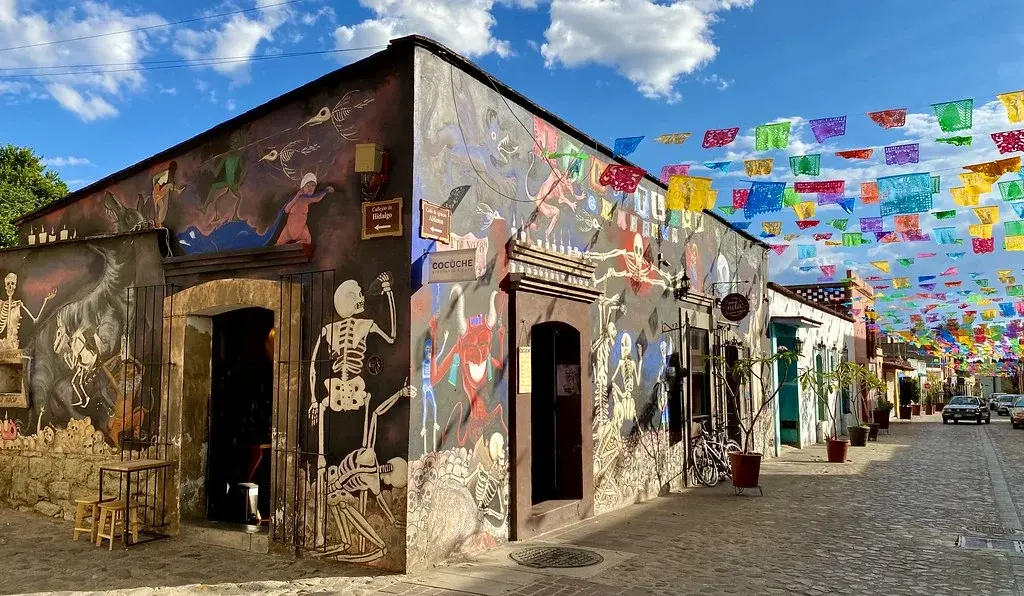
Most people walk through without understanding what they're looking at. The neighborhood has murals tied to political disputes, printmaking workshops with social themes, and the oldest coconut palms in the city.
If you want someone who lives off art to tell you the story, go with Julio and Elece on their murals and printmaking workshop free tour. The tour covers El Mural Que Debió Ser, Subterráneos, and Armadillo Gráfico.
Xochimilco and its aqueduct
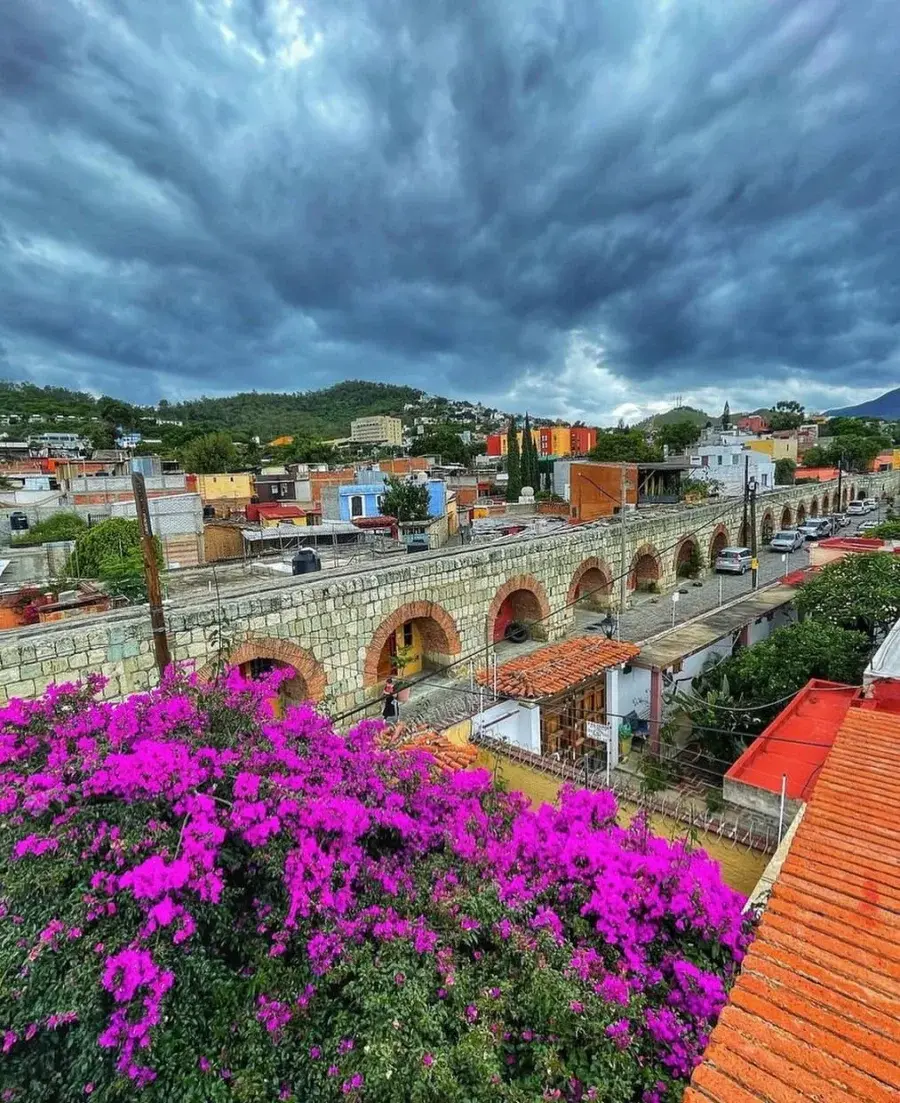
An 18th-century aqueduct that nobody tore down because the neighborhood built around it: walls, doorways, benches. Traditional bakeries, chocolate mills, and car-free streets invite you to wander without a destination. Ten minutes from the Centro.
El Panteón General and its ruined chapel
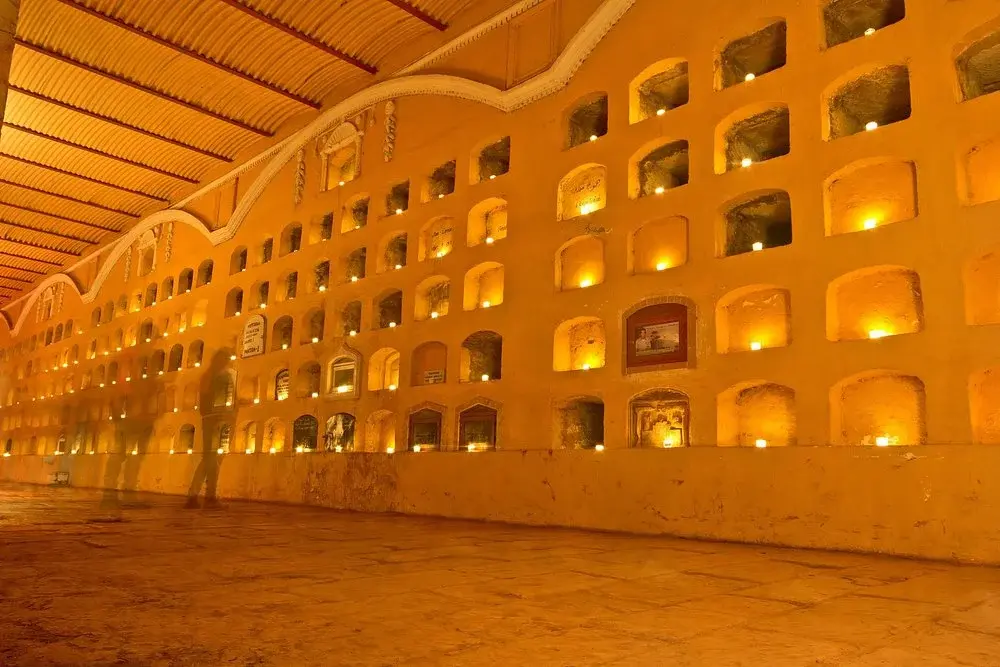
Unusual, imaginative funerary architecture: 19th-century mausoleums with Masonic references, and inside, the ruins of a chapel that was never restored, growing between the tombs. For Día de Muertos it fills with candles and families who spend the night.
Come respectfully: this is an active cemetery with families, not a tourist photo set.
Viewpoints and parks
Cerro del Fortín has the best view of the city and the Guelaguetza Auditorium. Go in daylight with people around, not alone. Parque El Llano at night: Taquería El Padrino (crispy tripe in lard), Hamburguesas Santa Fé (eight salsas, none of them wrong), and the Lupita corn cup stall.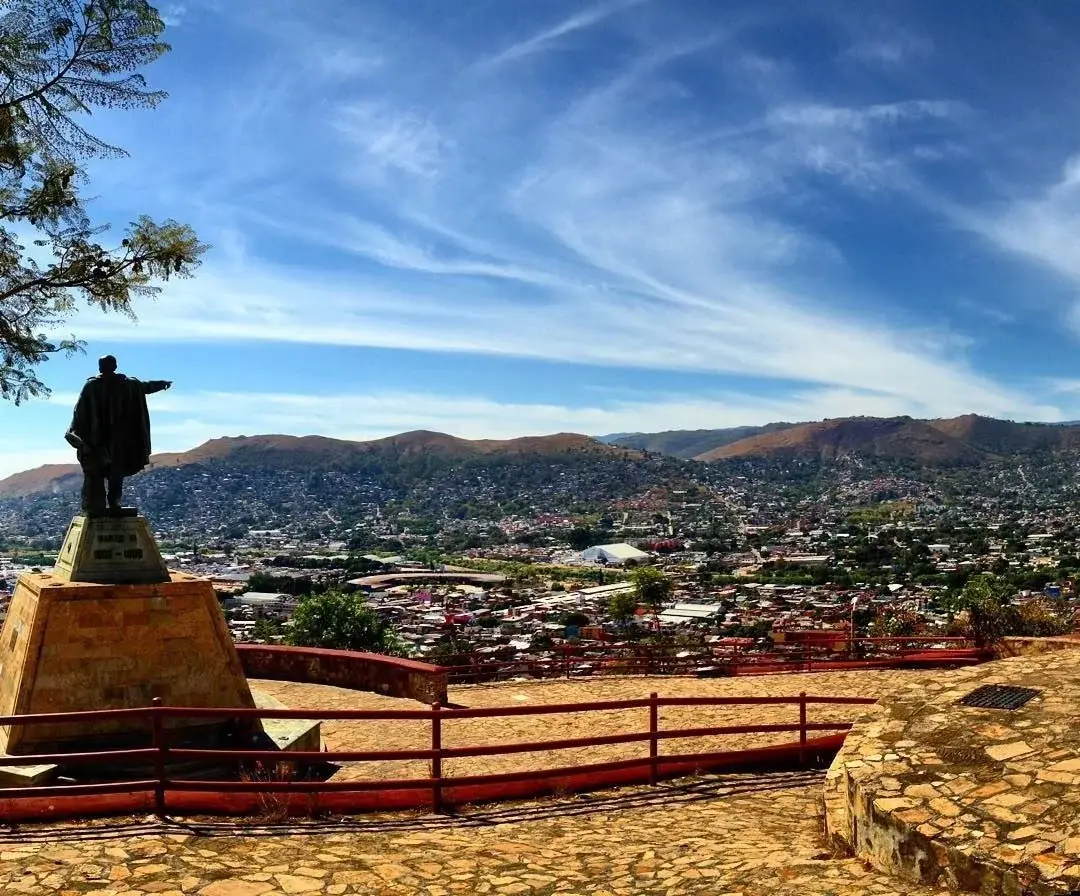
Free tours worth taking
How they work: you book for free, walk with a local guide, and tip what you think is fair at the end. That tip is the guide's income — be generous.
The one I recommend from the heart: Jalatlaco with Julio and Elece
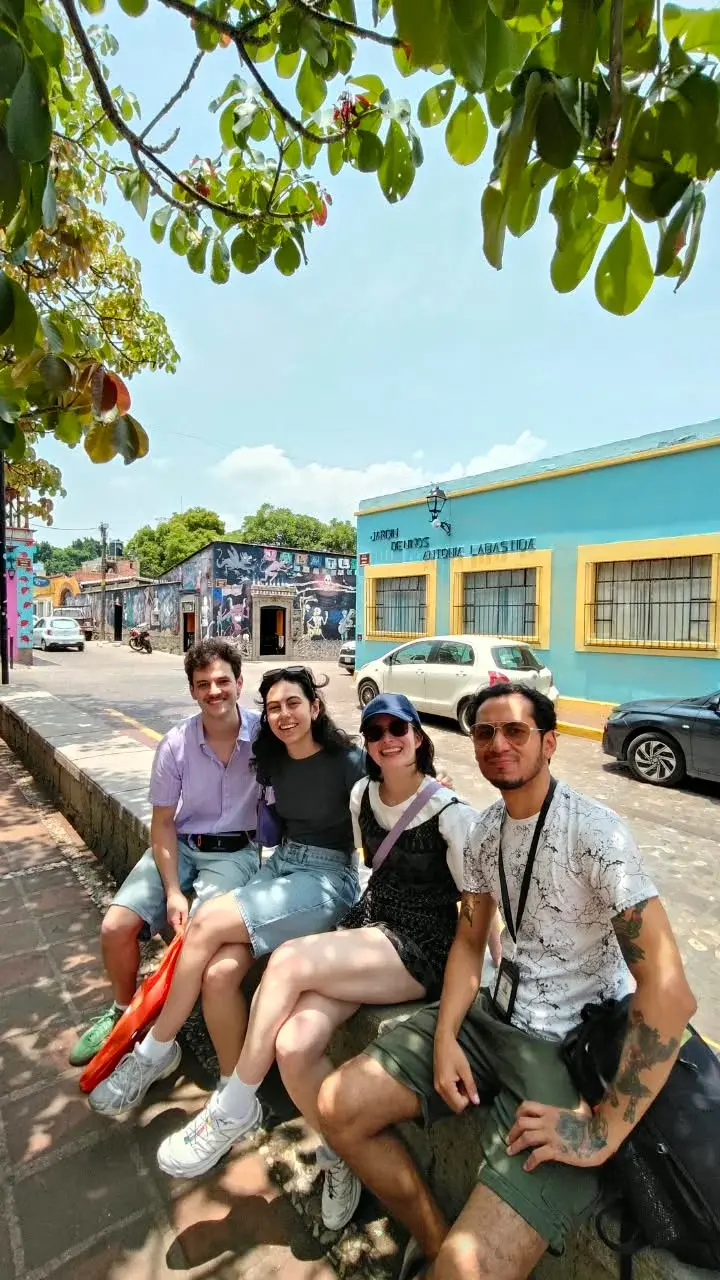
Julio Escamilla and Carlos "Elece" are friends of mine. Which is exactly why I recommend them: there's a real difference between any random tour and walking with people who live off art. The tour covers El Mural Que Debió Ser, Subterráneos (a politically-engaged printmaking gallery), and Armadillo Gráfico; at the end they give you their picks for galleries and where to eat.
Book the Jalatlaco free tour with Julio and Elece — free, tip at the end.
More options
- ▸Gastronomic free tour: Oaxacan food as intangible heritage — markets, tejate, chapulines.
- ▸Walking tour — markets, history and art: a full panorama of the Centro in two hours.
- ▸Street food in Jalatlaco: English only, look for the orange flag under the San Matías tree.
- ▸Bike tour: El Tule, Historic Center and markets: good option if you've already done the Centro on foot.
- ▸Xochimilco on foot: Aztec roots, colonial aqueduct, and Oaxacan chocolate.
- ▸Around Oaxaca City: history, markets, and culture — a good first-day start.
If you prefer a paid guided tour of the Centro, the afternoon tour of the Historic Center, museums and markets is a solid option.
Finding this guide useful? I wrote it from Atzompa, with no editorial sponsors. Buy me a mezcal if it's been helpful — or grab something from our shop.
Eating: the real reason you came
Confession: I'm a garnacha person. In Oaxaca that's not a flaw, it's a way of understanding the city. The best cooking isn't in expensive restaurants — it's in the markets, and the good restaurants know it.
The markets, in order of boldness
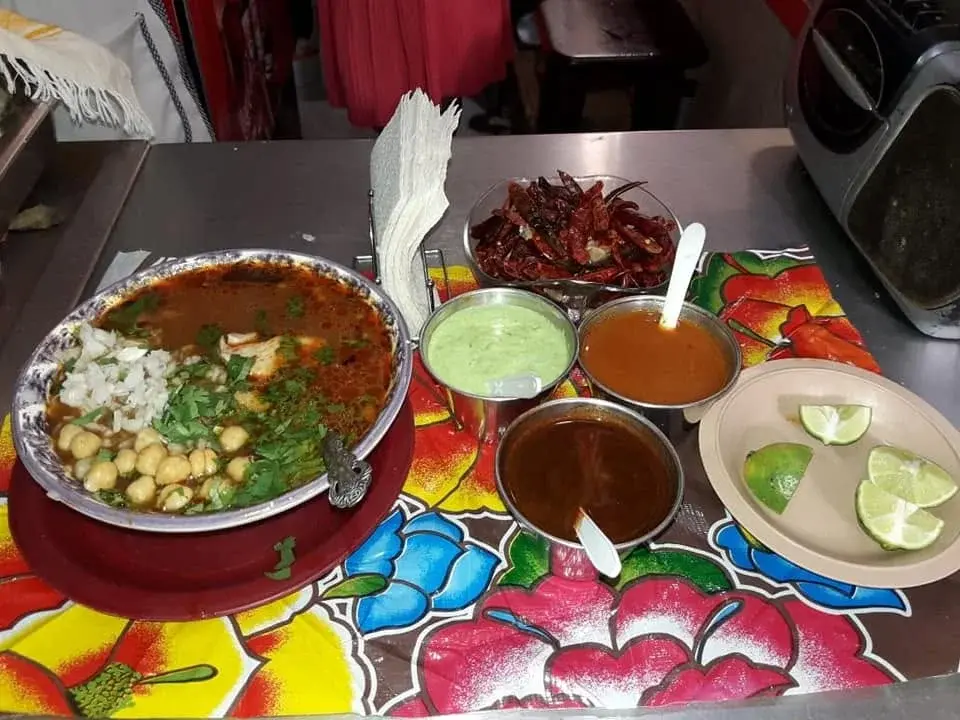
Mercado 20 de Noviembre and the smoke corridor. Full ritual: choose your raw meat (tasajo, cecina enchilada, chorizo, or tripe), order it by weight, it gets grilled on the spot. Tortillas are sold by women who walk between the tables; salsa, guacamole, and lime are ordered separately. Pay each person in cash. Los Agachados, inside the same market. For the adventurous palate: tripe broth with chile verde, onion, chickpeas, cilantro, and lime. Not for everyone.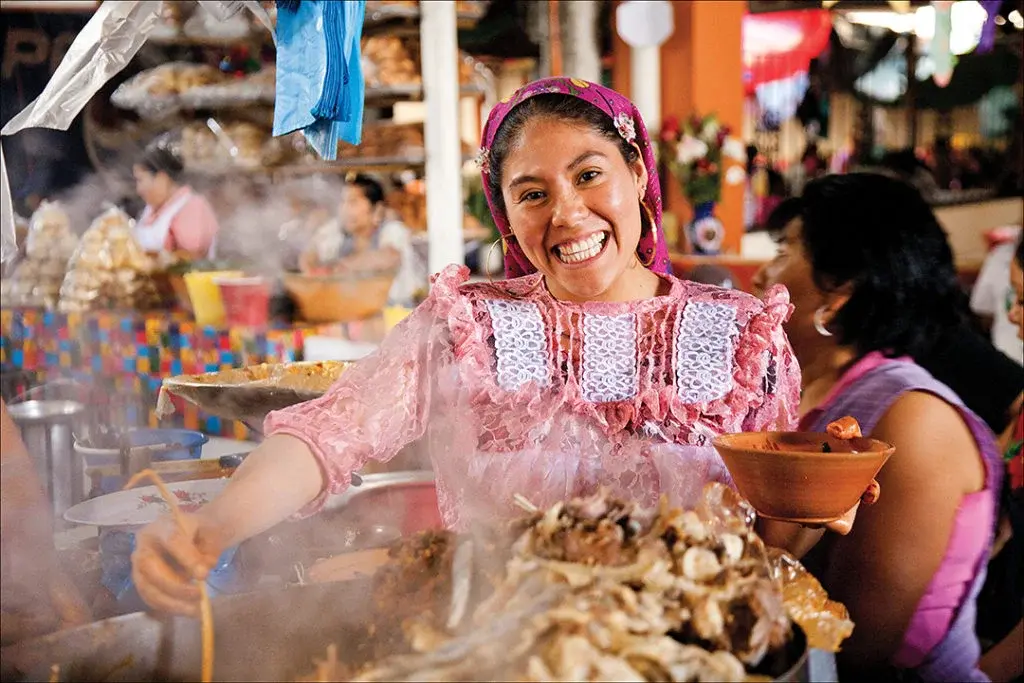
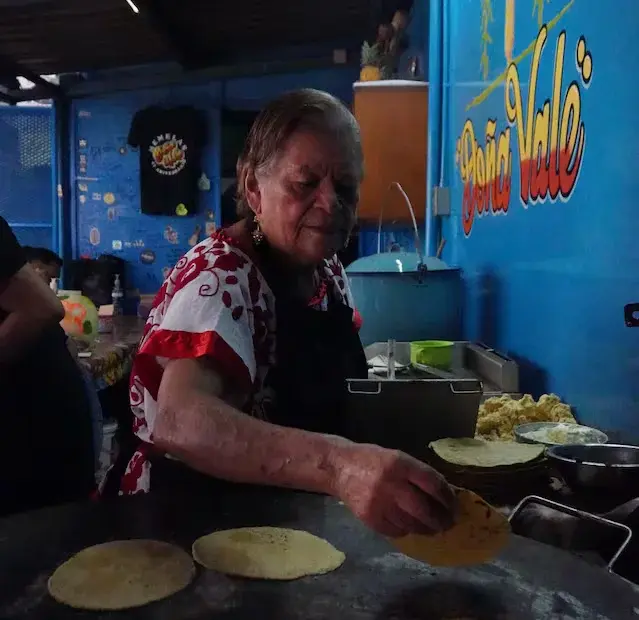
What you have to try
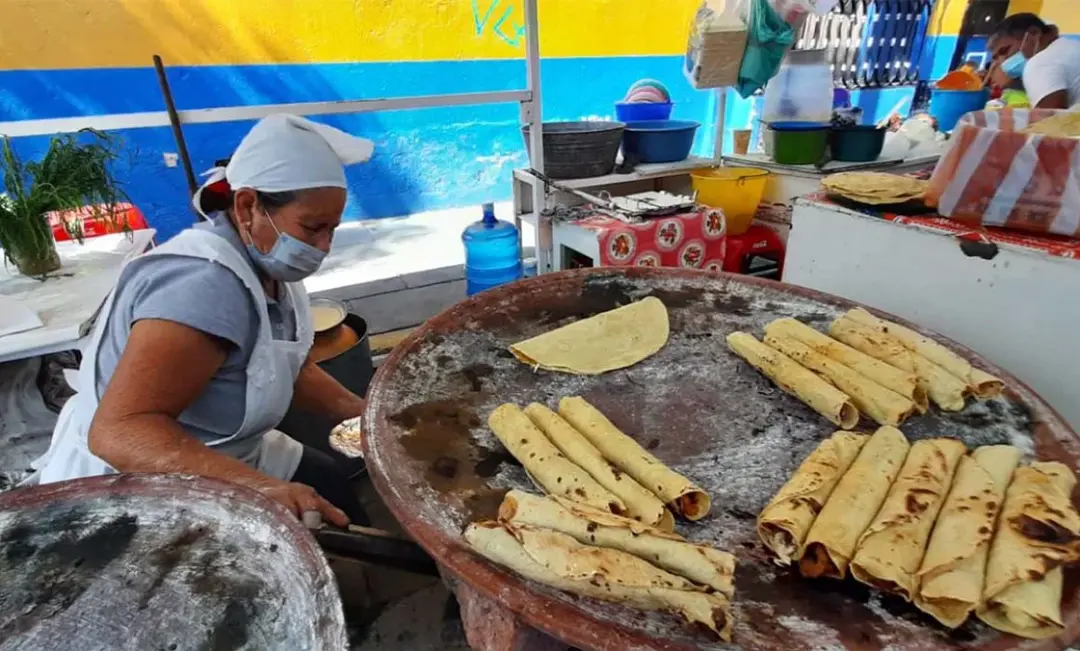
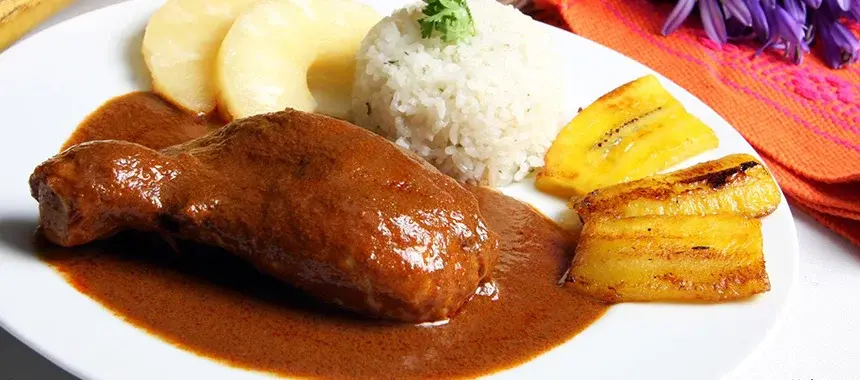
Tlayuda, mole negro, coloradito and amarillo, and chocolate with pan de yema. You'll find amarillo in an empanada at Tacos del Carmen (Jesús Carranza 110, from 8am) or Empanadas del Carmen Alto (from 5am, closed Wednesdays).
Named restaurants
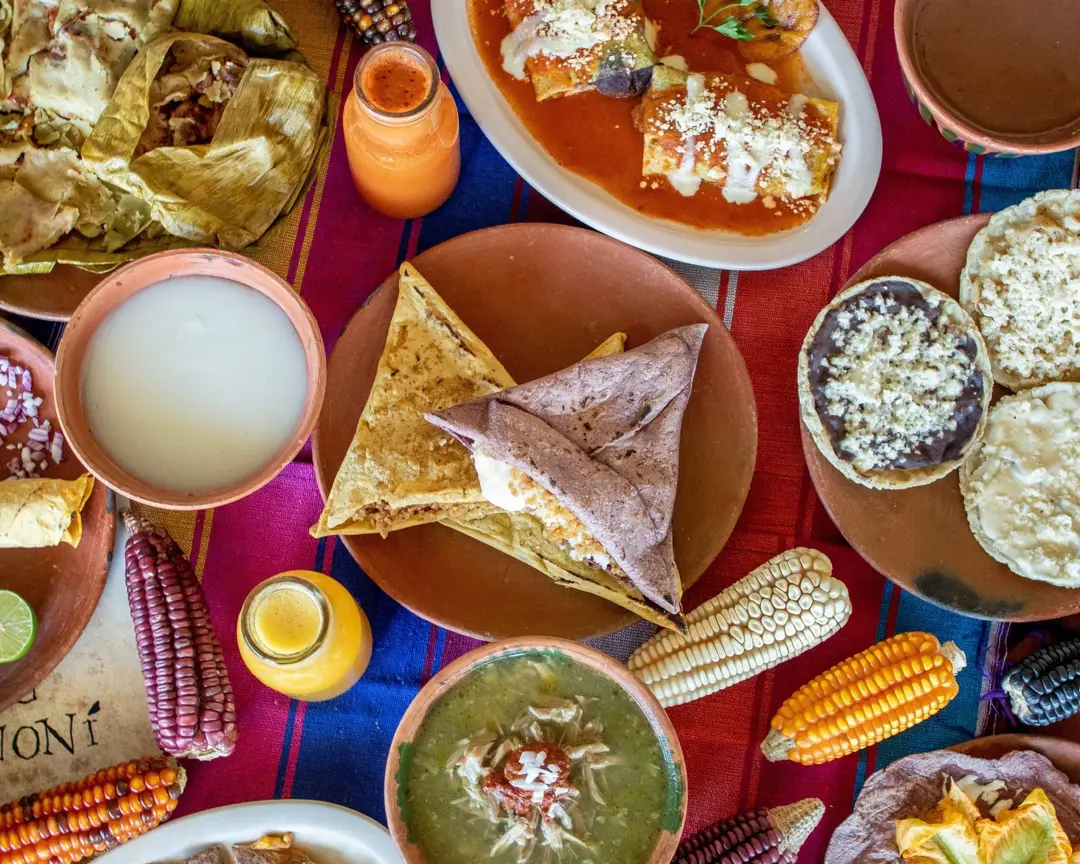
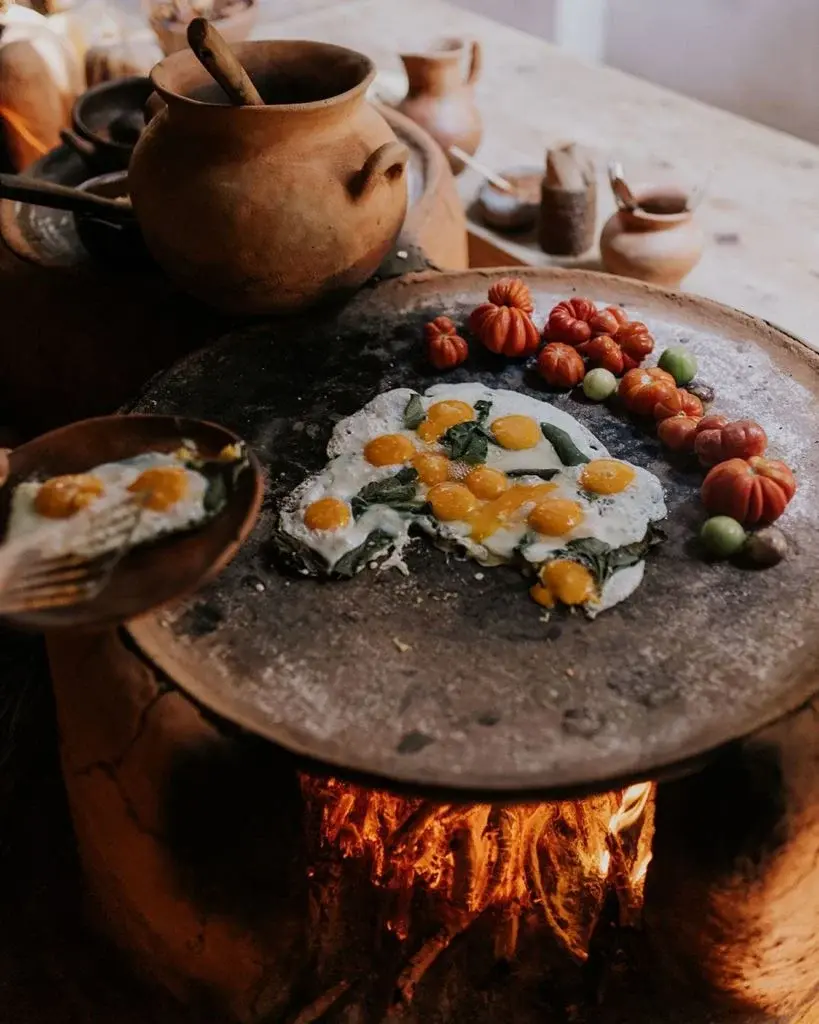
La Frijolería — Does justice to the bean, the forgotten hero of the milpa. Wood-fire stews in clay pots, beans from Zaachila farmers, handmade tortillas. Order the five-bean sampler; if one wins you over, get the full plate. Tinoco y Palacios 209.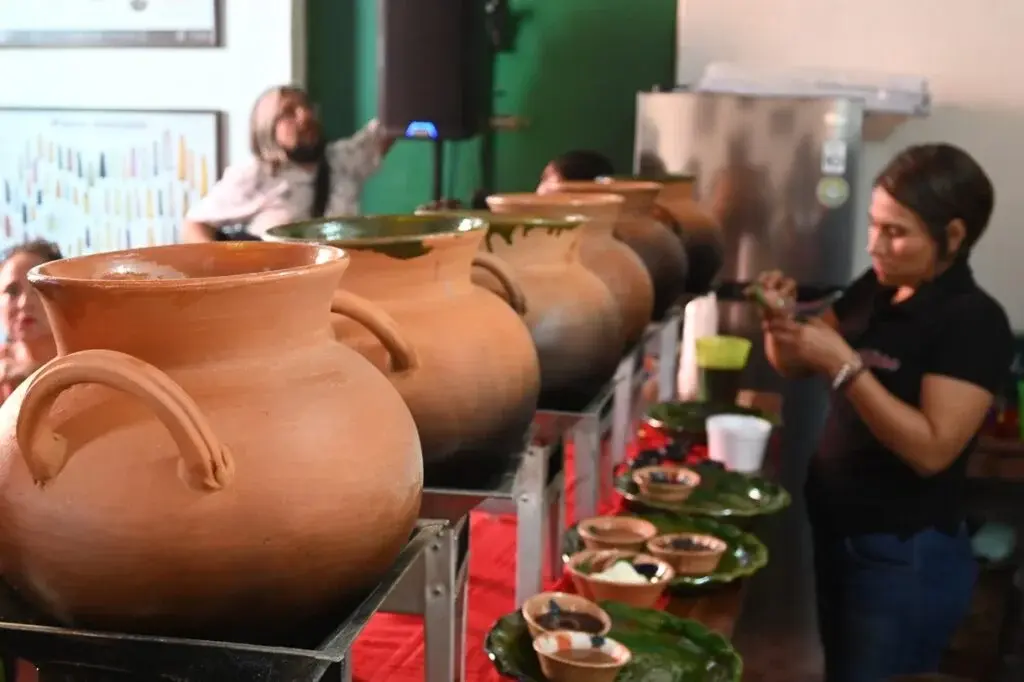
Late night or after the party
Hamburguesas Santa Fé (eight salsas), Taquería El Padrino (crispy tripe), Lupita corn cups, and Tacos del Lechón de Oro (with an extremely spicy special salsa) are all at or near Parque El Llano. Empanadas del Carmen Alto stays open until 11pm (closed Wednesdays).
Pocket glossary
Tlayuda: large crunchy tortilla with beans, quesillo, and your choice of toppings. Not pizza. Memela: thick tortilla with pork fat and salsa. The official breakfast. Tasajo and cecina enchilada: the smoke corridor meats. Chile de agua: the green chile of the Central Valleys, eaten roasted. Quesillo: what outside Oaxaca is called "Oaxacan cheese." Chapulines: toasted grasshoppers with lime and chile. Try them. Tejate: corn, cacao and cacao flower, with foam. Pre-Hispanic. Chilacayota: gourd water sweetened with piloncillo.Taking something of Oaxaca home? Our shop has curated local pieces — crafts, merch, and things we found walking the city. What you buy there keeps the events calendar free.
Cooking classes, chocolate and food tours
If you're going to pay for one experience in Oaxaca, make it food.
The gastronomic market tour is the perfect entry point: two hours through the markets with someone who knows what you're eating and where every ingredient comes from.
The traditional Oaxacan cooking class is the full experience: five hours, max six people, market-fresh ingredients. If you prefer vegetarian cooking, there's also a vegetarian cooking class with a market visit. For something shorter and antojito-focused, the Oaxacan antojitos and salsas class — memelas, tetelas, four salsas — is a great option.
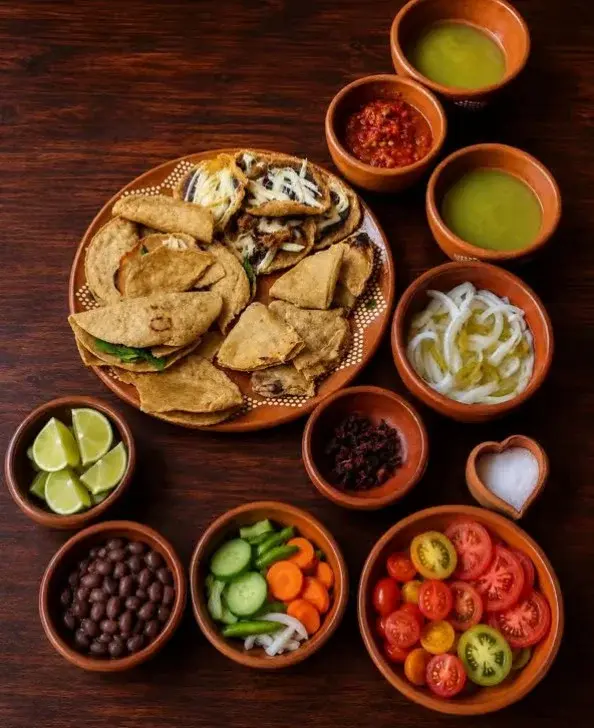
To learn to make mole from scratch with no animal products, the vegan Oaxacan mole class includes transfers and lasts half a day.
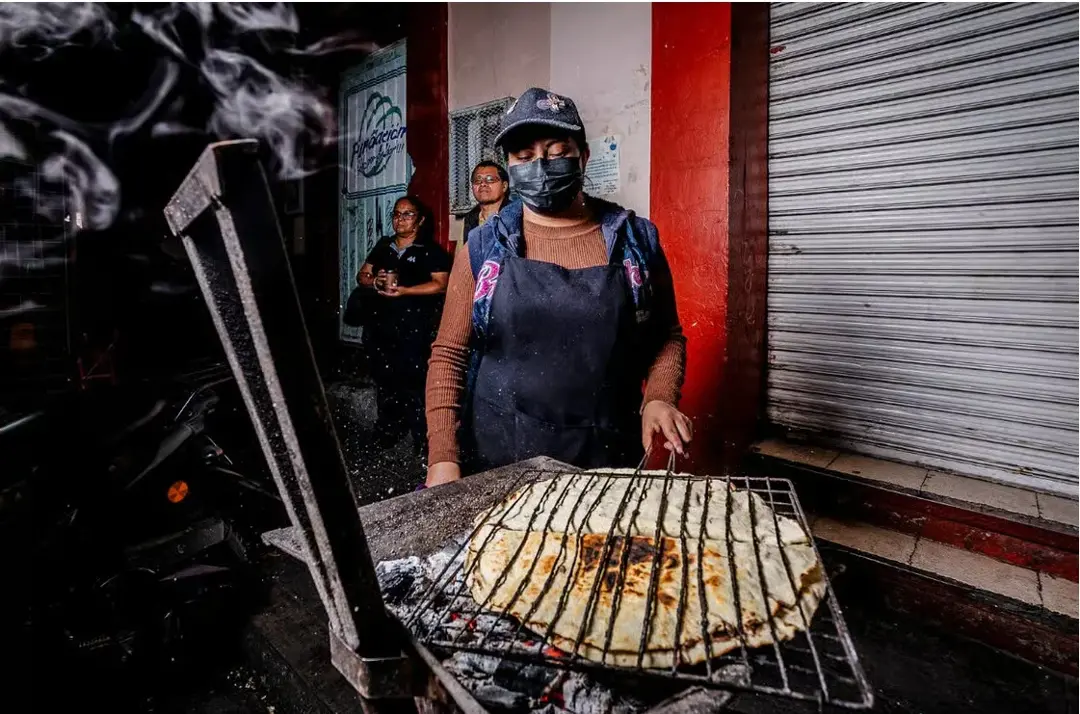
For those who'd rather learn from the street: the street food night tour — 14+ tastings and a closing mezcal — is the one people repeat most.
Chocolate
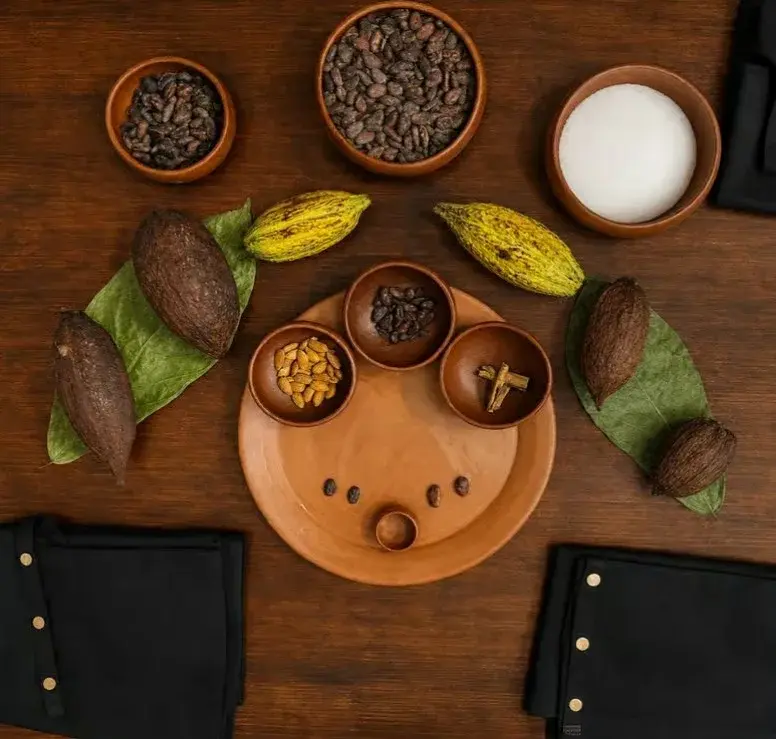
In Oaxaca chocolate is drunk, ground, and given as a gift. To see it for free, walk past the mills on Calle 20 de Noviembre. To make it yourself from bean to bar, the chocolate making class with tasting is one of the most reviewed in the city.
Mezcal (slowly — it's not tequila)
House rules: 1) Sip it, don't shoot it. 2) Always ask about the agave and who made it. The basics: Espadín is the most common cultivated agave. Tobalá, tepeztate, and madrecuixe are wild species that take many years to grow; the higher price isn't a gimmick. On the label: mezcal / mezcal artesanal / mezcal ancestral — ancestral is the most traditional. In the city. My three trusted mezcal bars: Mezcalogía, Hijuelo, and Quiote (Xochimilco). All three seek out mezcals from different regions and maestros mezcaleros by season. Moderate-to-high prices, but worth the experience.With someone who knows
If you want to go beyond bar service, there are three good ways.
The most accessible is The Best Mezcal Tasting: six-plus mezcals from different agaves, a closing cocktail, and a speakeasy setting. A good entry point if you haven't done a mezcal tasting before.
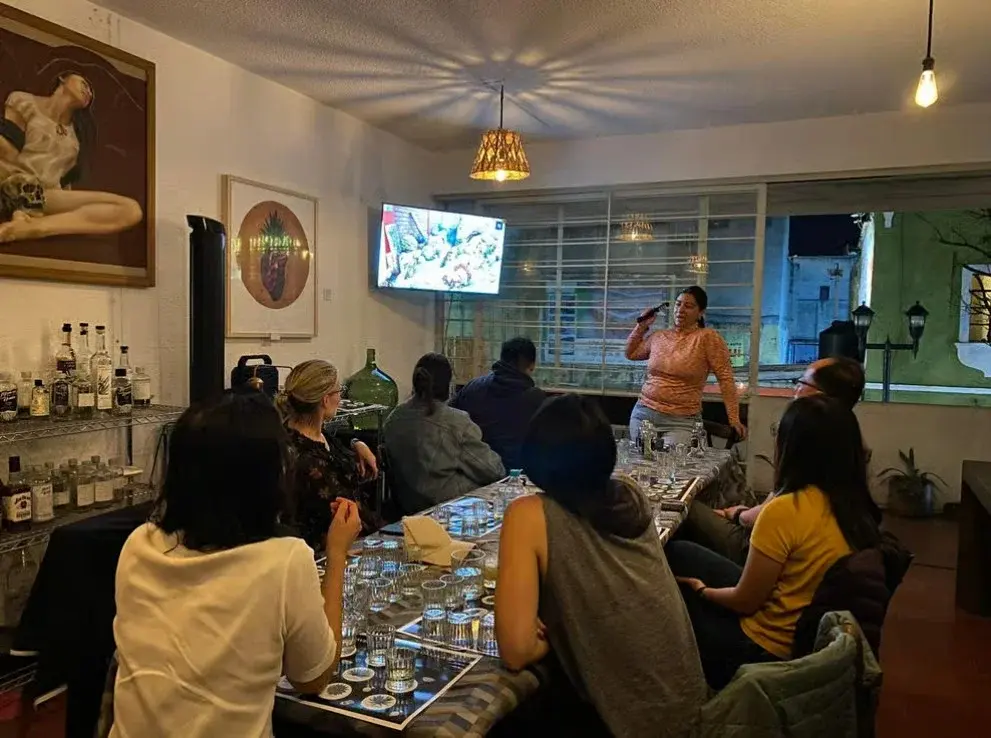
For something more intimate, the mezcal class in a rooftop speakeasy is the one I most like recommending: max six people, master mezcalero, 18+.
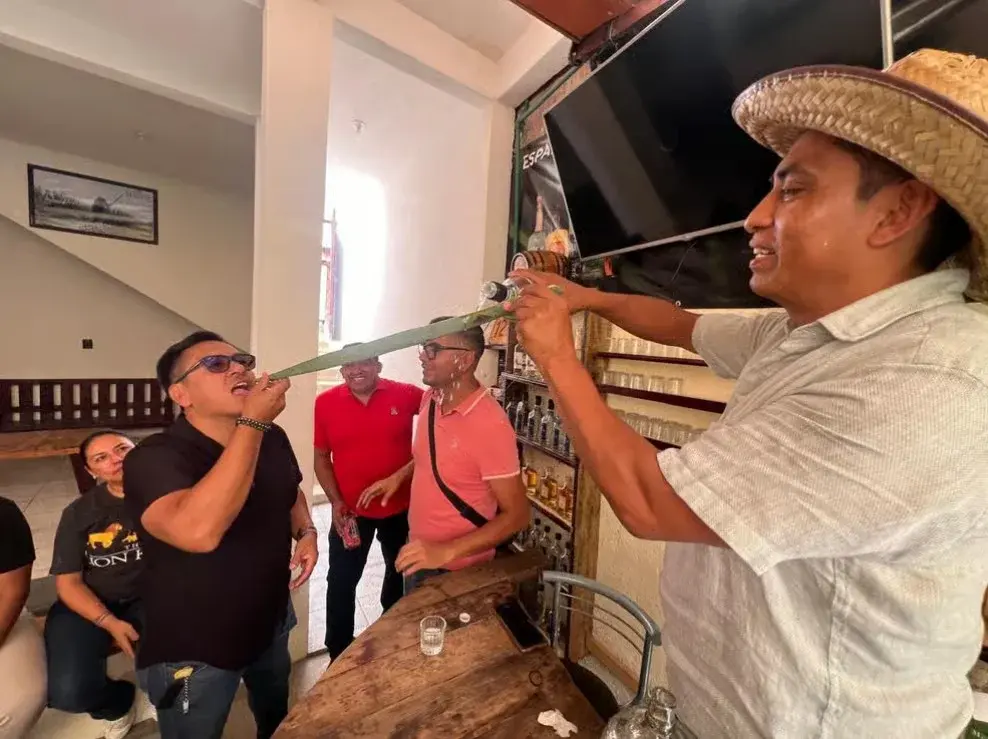
And if you want to see the full process, El viaje del mezcal takes you to the fields, the earth oven, the milling, and the distillation. Ends with food. The longest day, but the one that most changes how you see the drink.
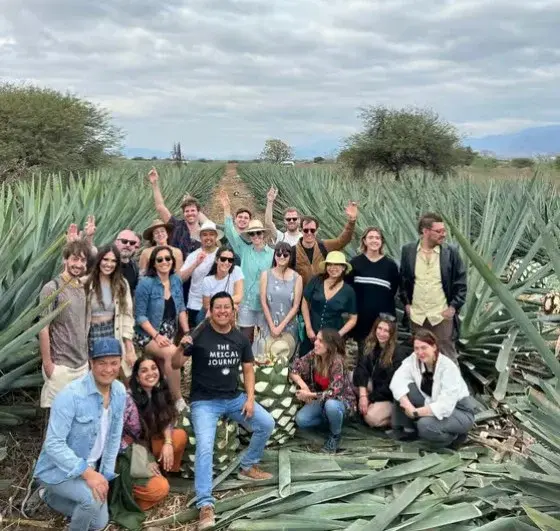
Request: buy directly from producers when you can, and don't drive after a palenque.
Not into mezcal? Craft beer
If mezcal isn't your thing, Oaxaca has a small but serious craft beer scene. Punta Cabras — The city's most experimental brewery. IPAs with Oaxacan ingredients: chapulín, hierba santa, mole. Independencia 403. La Santísima Flor de Lúpulo — Neighborhood brewery with a relaxed vibe. Good seasonal beers and an easy place to have a conversation.
Enjoying this independent content? I write this from Atzompa, without editorial sponsors. Buy me a mezcal if the guide was useful — or grab something from our shop.
Museums and rarities (several free)
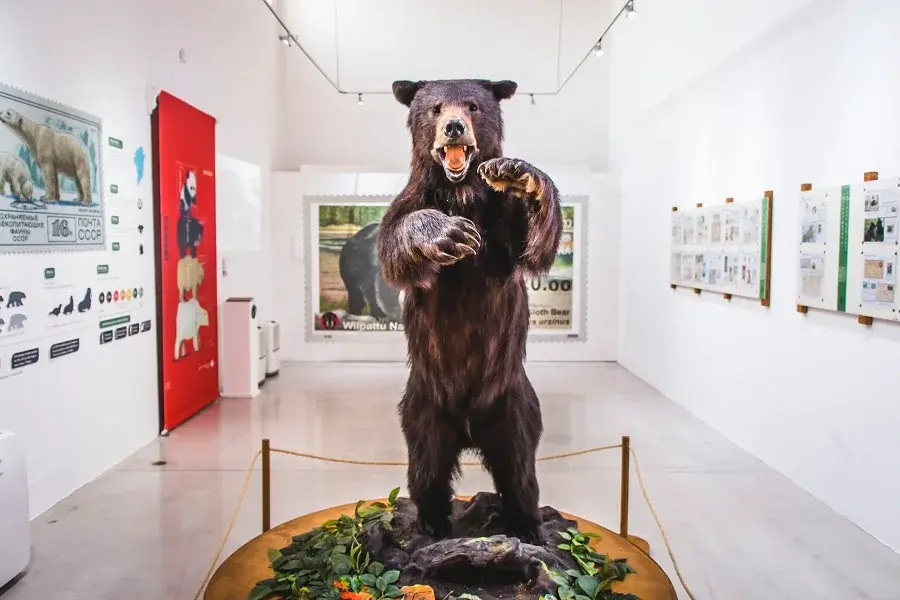
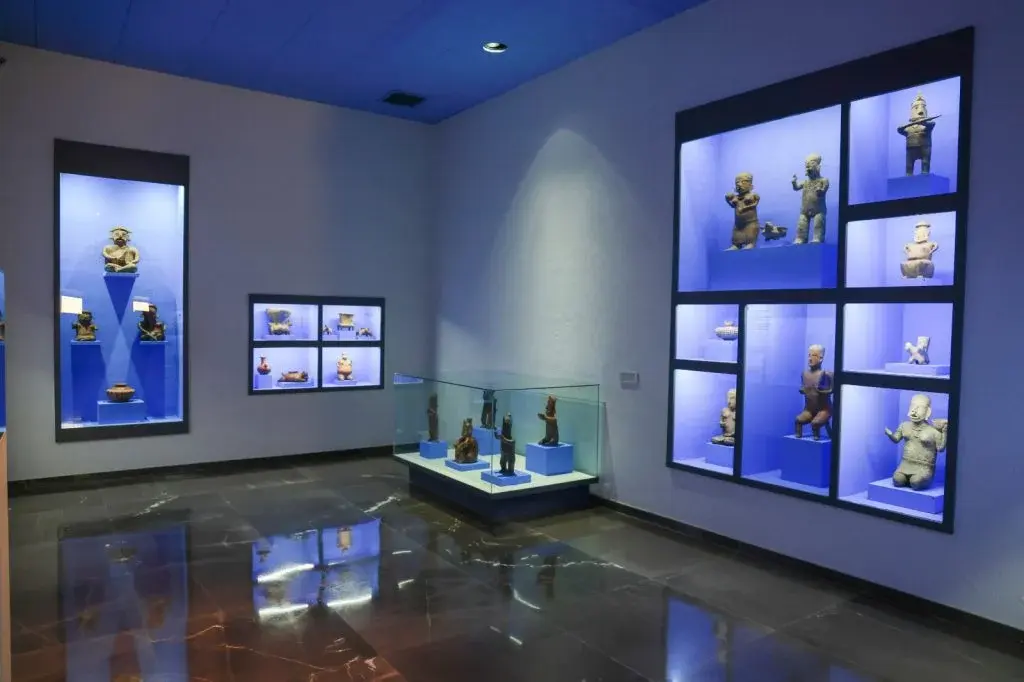
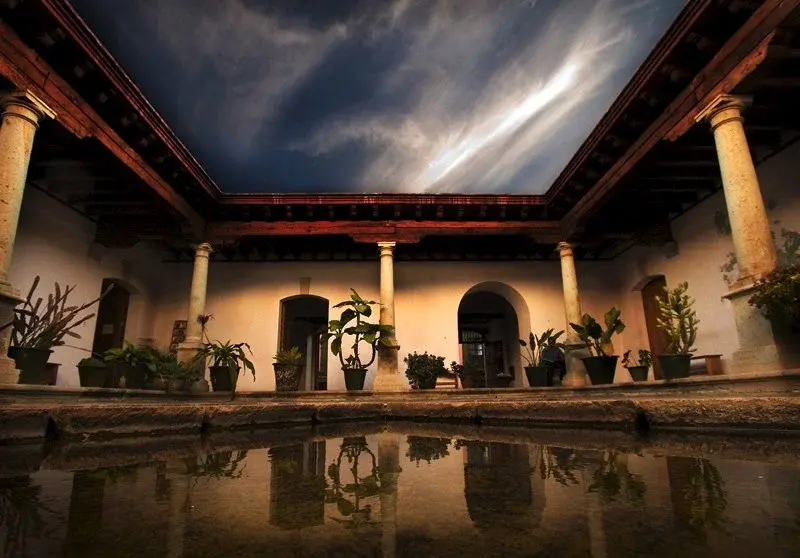
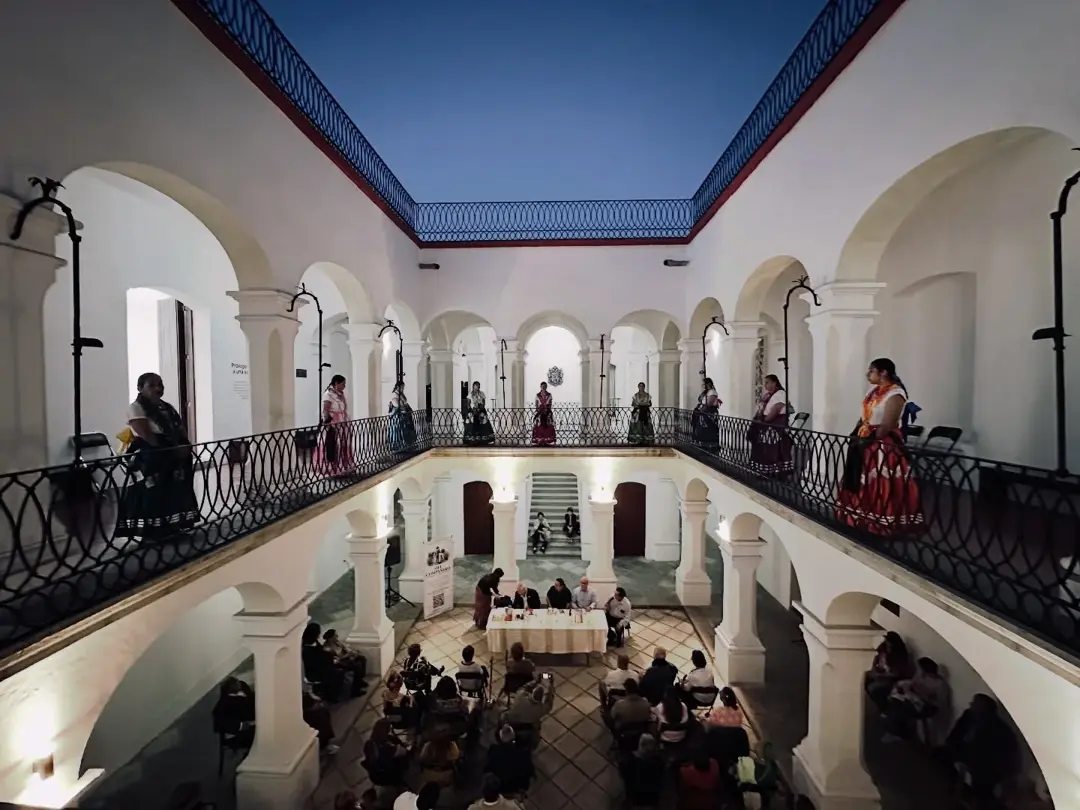
Museo Textil de Oaxaca — Huipiles, natural dyes, and techniques from every region. Free. Free guided tour Wednesdays at 5pm.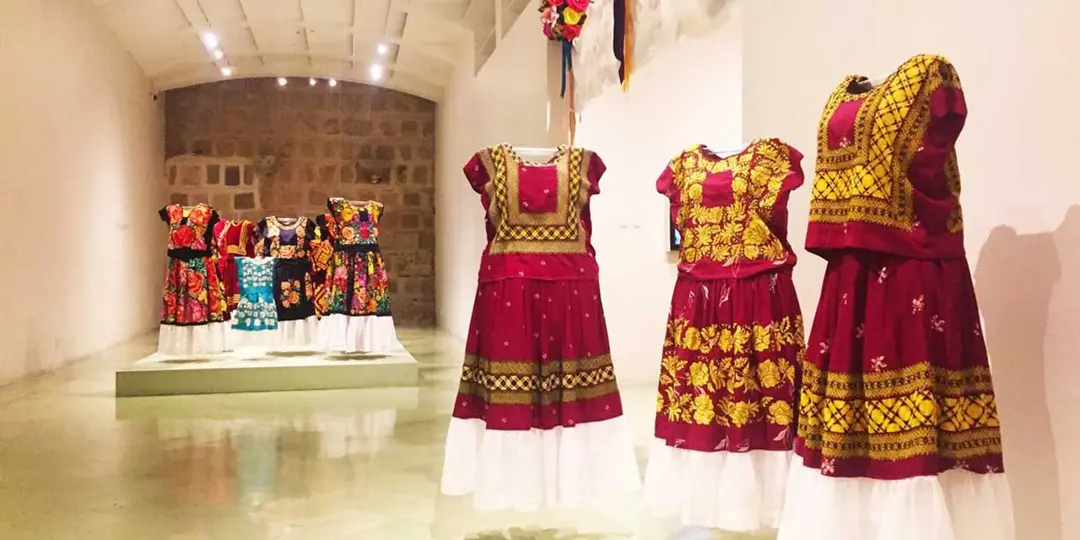
Day trips in the Central Valleys
Money-saving tip: on Sundays, entry to archaeological sites is free for Mexicans and residents with INE.
Monte Albán (8 km west)
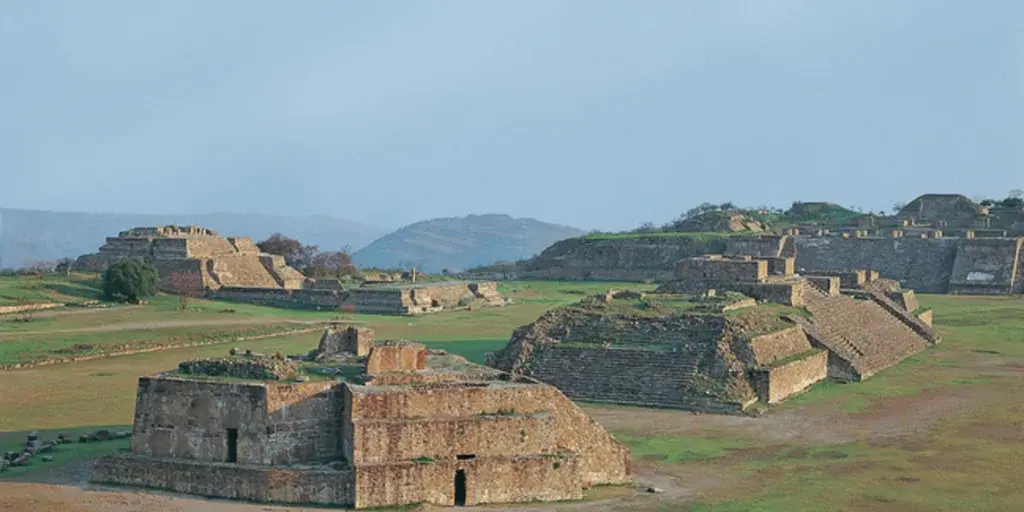
If you're only going to see one archaeological site, make it this one. Founded around 500 BC, it was the Zapotec capital for over a thousand years. Go early: less sun, fewer groups.
Open: 8am–5pm (last entry 4pm). Entry: $210 MXN general, $105 MXN nationals/residents; site museum included.
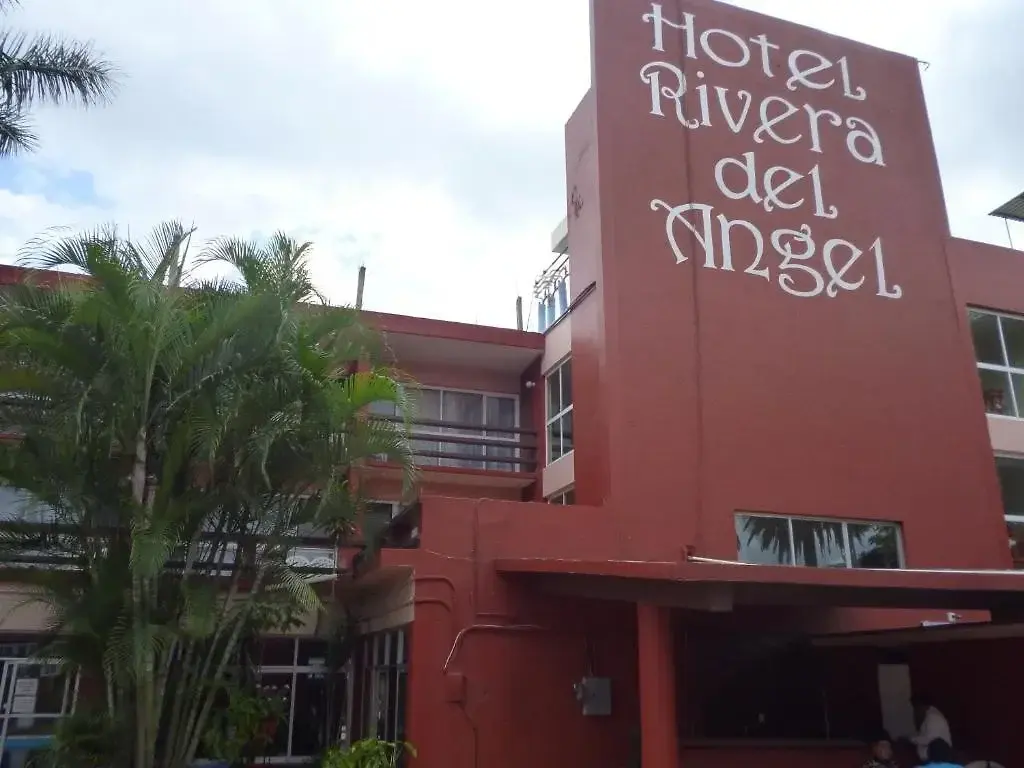
Getting there: Shuttles from Hotel Rivera del Ángel lobby (Mina 518) from 8:30am, ~$130 MXN round trip. By taxi/DiDi it's 25 minutes.
If you want a guide, the Monte Albán half-day guided tour has 680+ reviews and 4.7 stars. To combine ruins, crafts, and mezcal in one day, the Monte Albán + black clay + alebrijes + mezcal tour covers it all.
El Árbol del Tule (10 km)
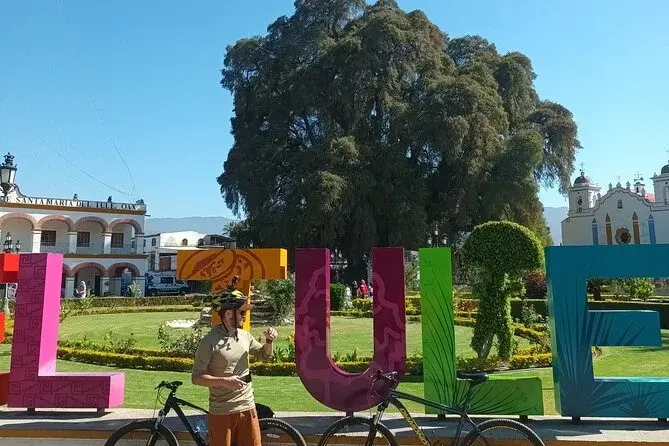
A 2,000-year-old ahuehuete tree with the widest trunk in the world. Local kids point out shapes in the bark using small mirrors. Entry $10–$20 MXN; colectivo from the Baseball Stadium.
Teotitlán del Valle
Wool rugs dyed with cochineal, indigo, and plants. Walk into a family workshop and ask them to show you how they dye — not just the catalog.
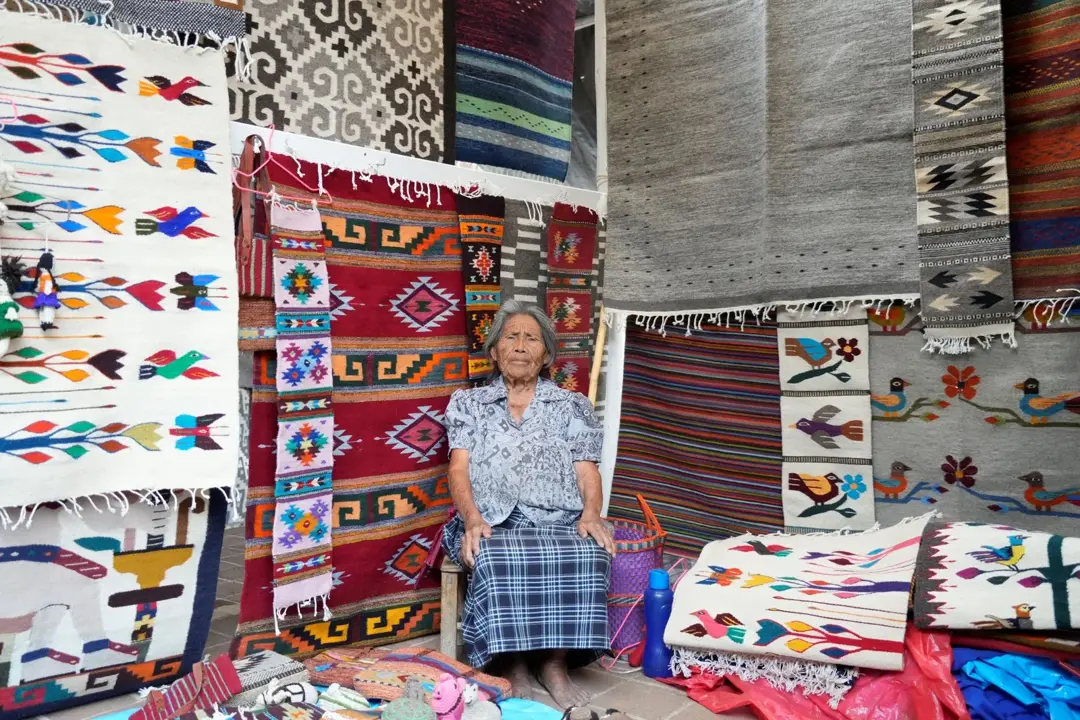
Tlacolula on Sundays
One of the largest market days in the Central Valleys: barbacoa, bread, mezcal, and entire families doing their weekly shopping. Ask before photographing anyone. Colectivo from the Baseball Stadium.
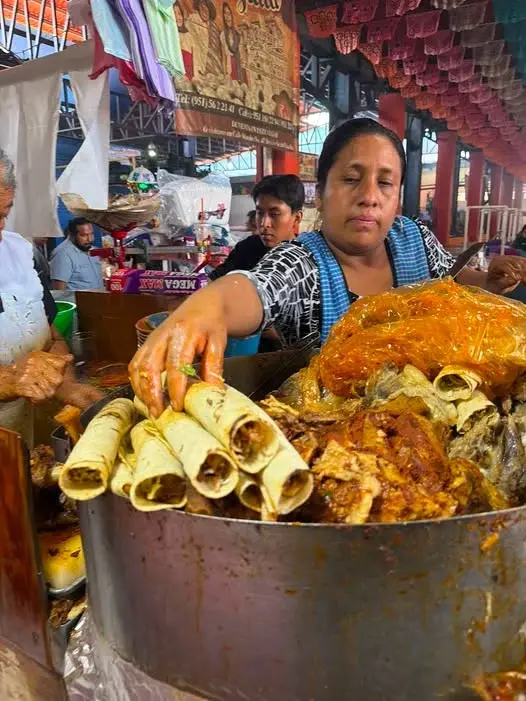
If you want company, there's a Tlacolula Sunday market and family mezcal palenque tour that combines both in one day.
Mitla (45 km)
Stone fretwork unlike anything else in Mesoamerica, with a colonial church built on top. It's a Pueblo Mágico; colectivo from the Baseball Stadium.
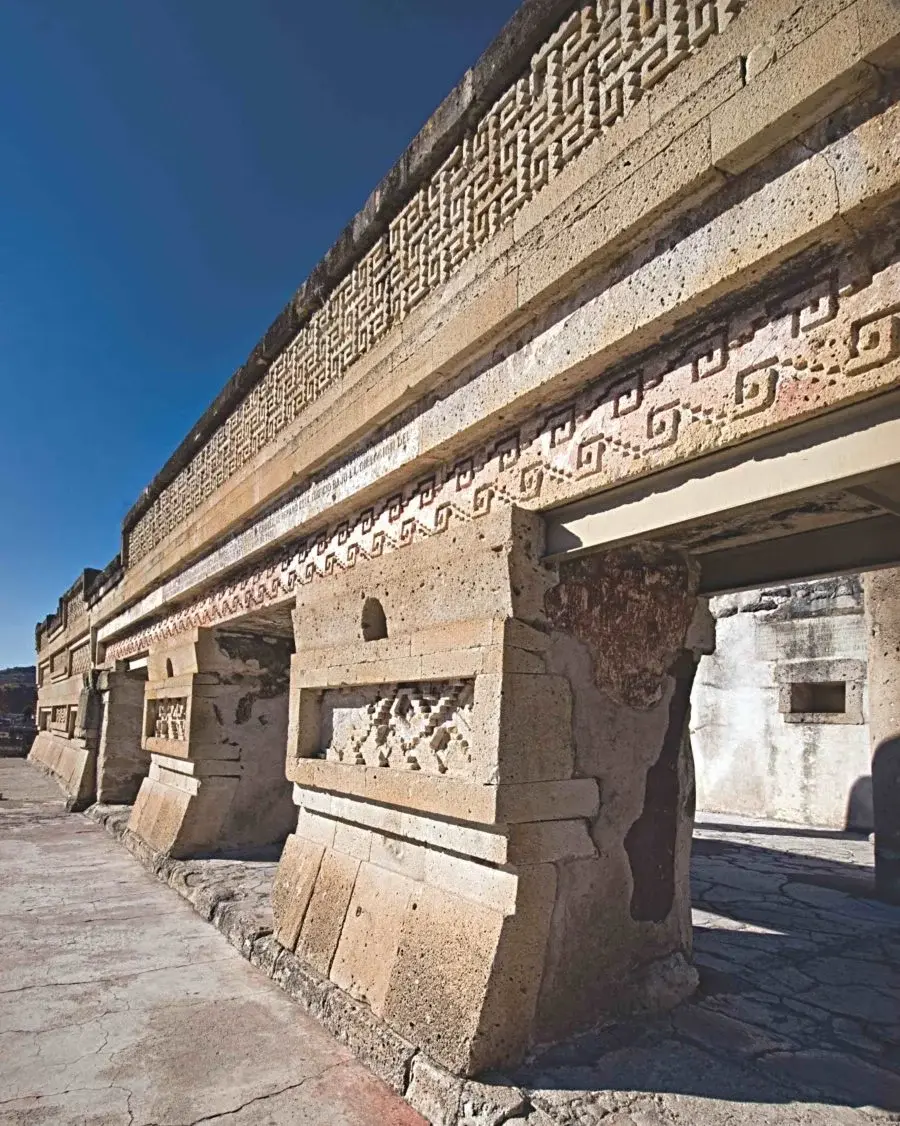
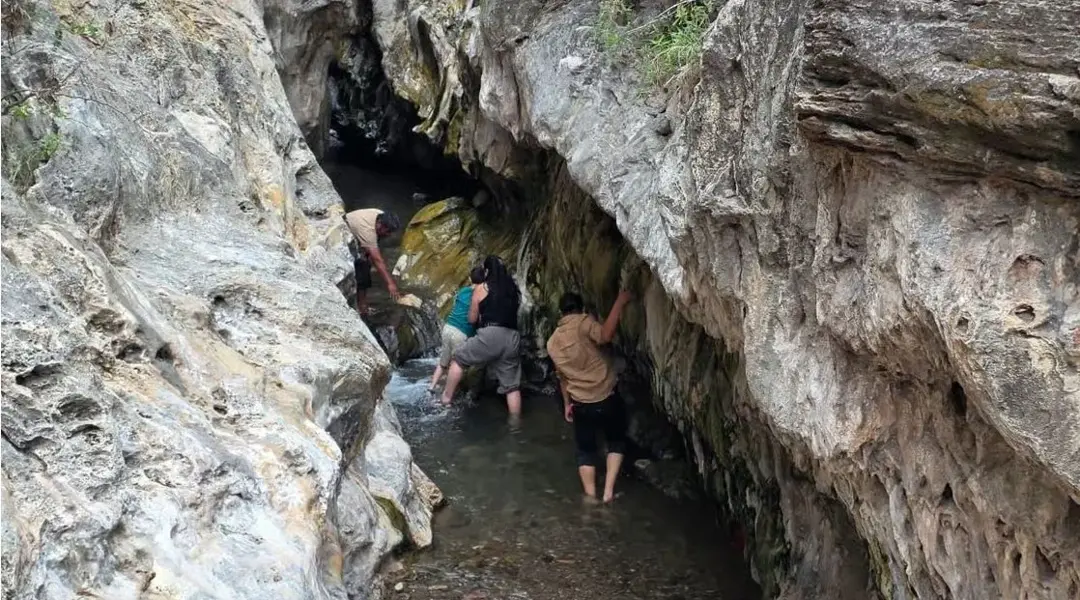
Hierve el Agua (70 km)
Petrified waterfalls and mineral pools in a community-managed park. Arrive before 10am or after 3:30pm to avoid groups.
On your own: colectivo to Mitla ($18–$50 MXN), van Mitla–Hierve el Agua ($75 MXN/trip), community toll ($15–$20 MXN), and entry ($50–$75 MXN). Total round trip: ~$265–$350 MXN per person. Note: it has a history of closures due to agrarian disputes — confirm it's open the week you visit.
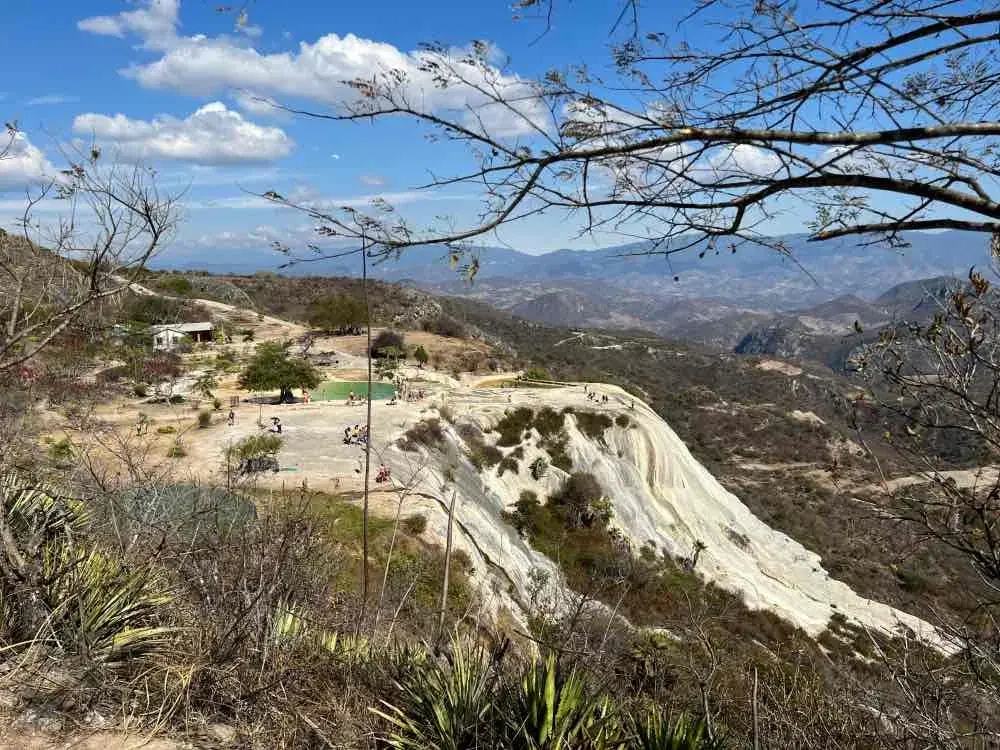
If you prefer to go with a guide, the full-day Hierve el Agua, Mitla, Tule, tapestry and mezcal distillery tour covers everything in one day. A more specific variant is the Las Salinas to Hierve el Agua secret trails hike: two hours of paths that few tourists know.
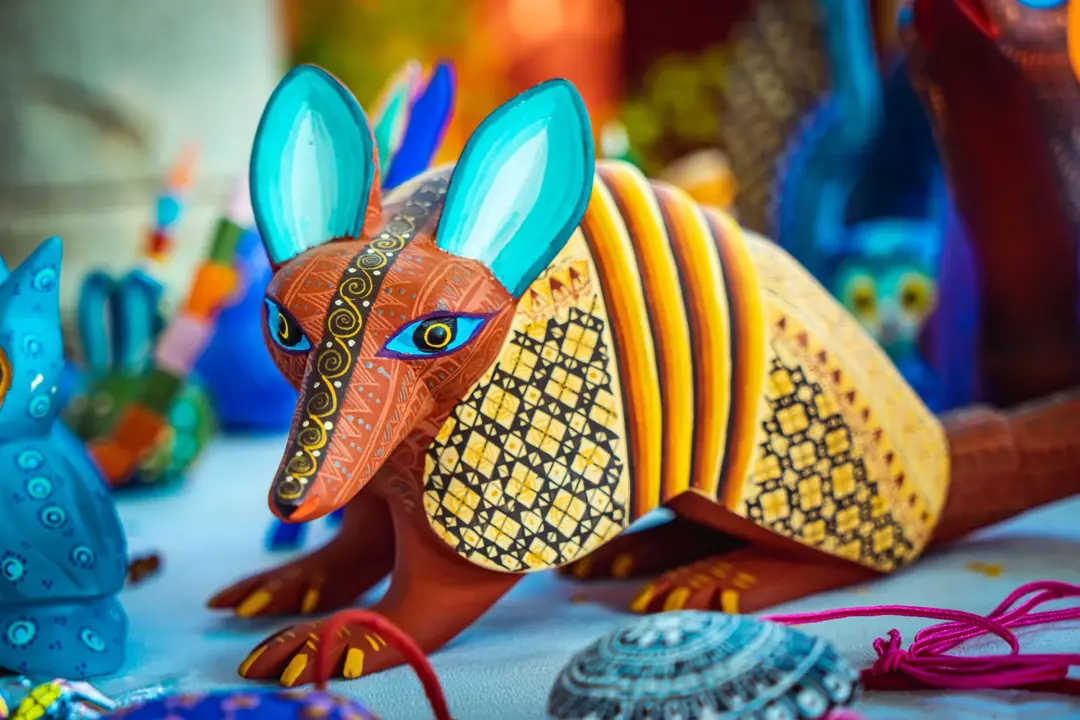
San Bartolo Coyotepec and the alebrijes (south)
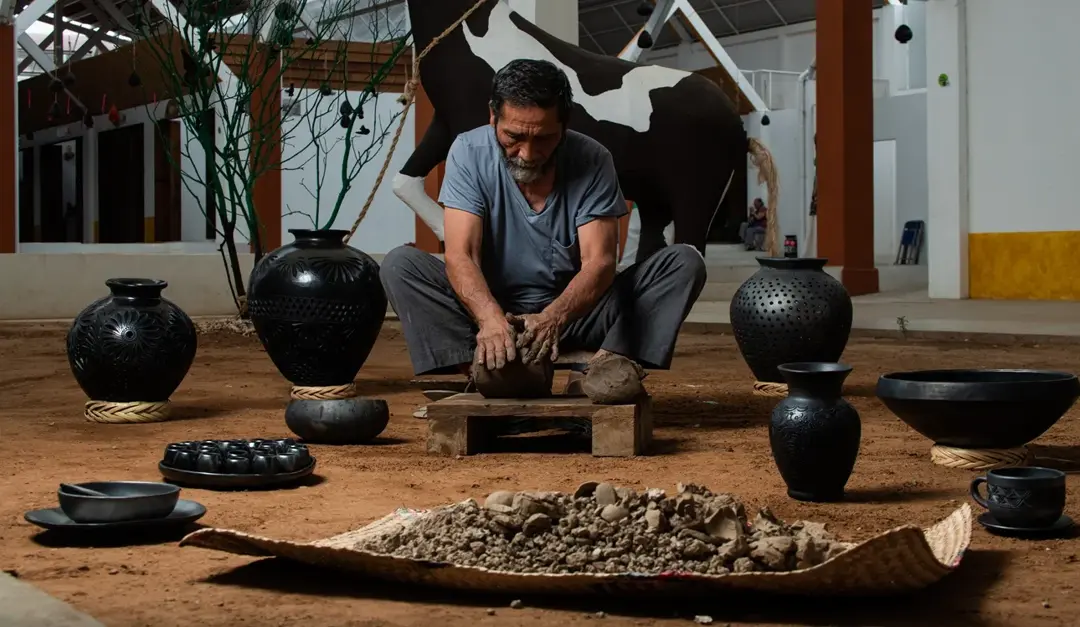
San Bartolo is where burnished black clay is worked by hand. Alebrijes are carved from copal wood in San Martín Tilcajete and San Antonio Arrazola — actual copal, not the cardboard versions sold in Mexico City.
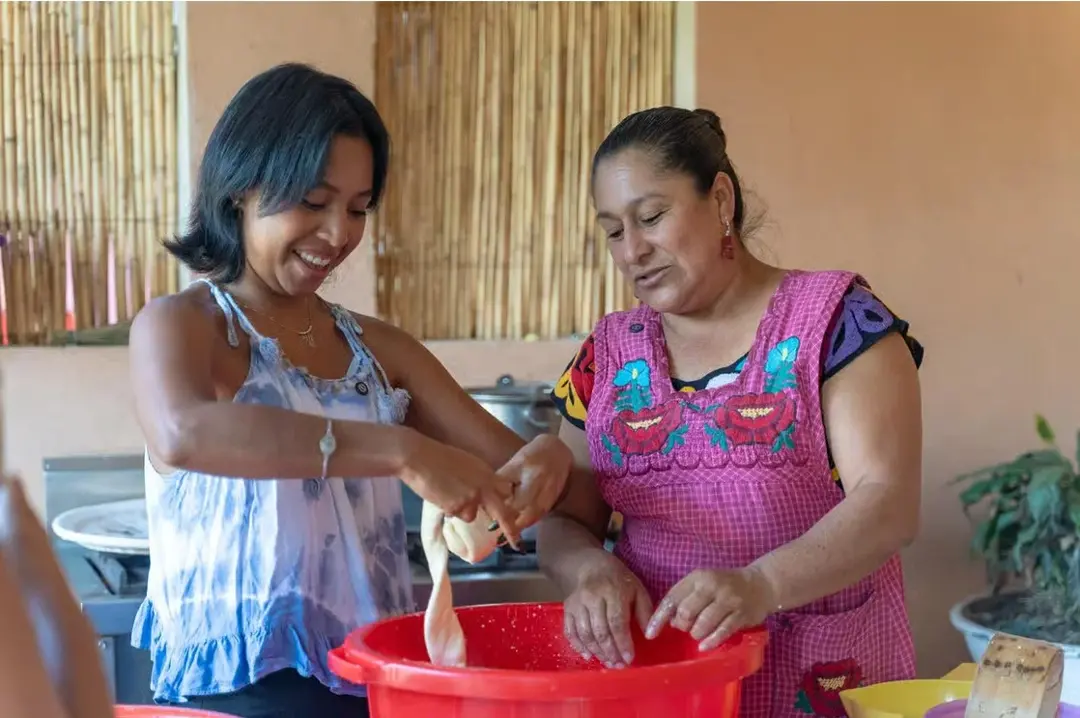
The Etla Valley and quesillo (north)
Reyes Etla is the birthplace of quesillo. Watching it get hand-stretched and eating it fresh is a unique experience. If you want a guide, the Reyes Etla tour — quesillo, museum, and castle of the gnomes is a solid half-day plan.
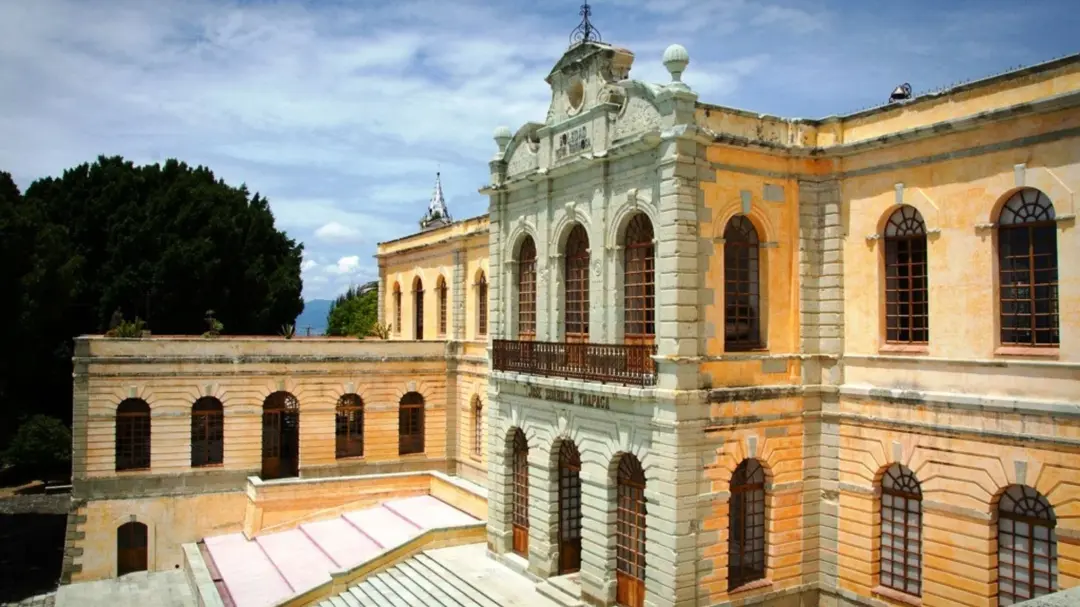
In San Agustín Etla is the Centro de las Artes (CaSa), the old textile factory that Francisco Toledo converted into an arts center. Colectivos from Central de Abastos (sign reads "San Agustín" or "Sitio el Cárcamo"), ~45 min.
Taking Oaxacan memories with you? Our shop has crafts and local pieces — each purchase funds this guide and keeps Qué Onda Oaxaca's cultural calendar free.
Nature and adventure
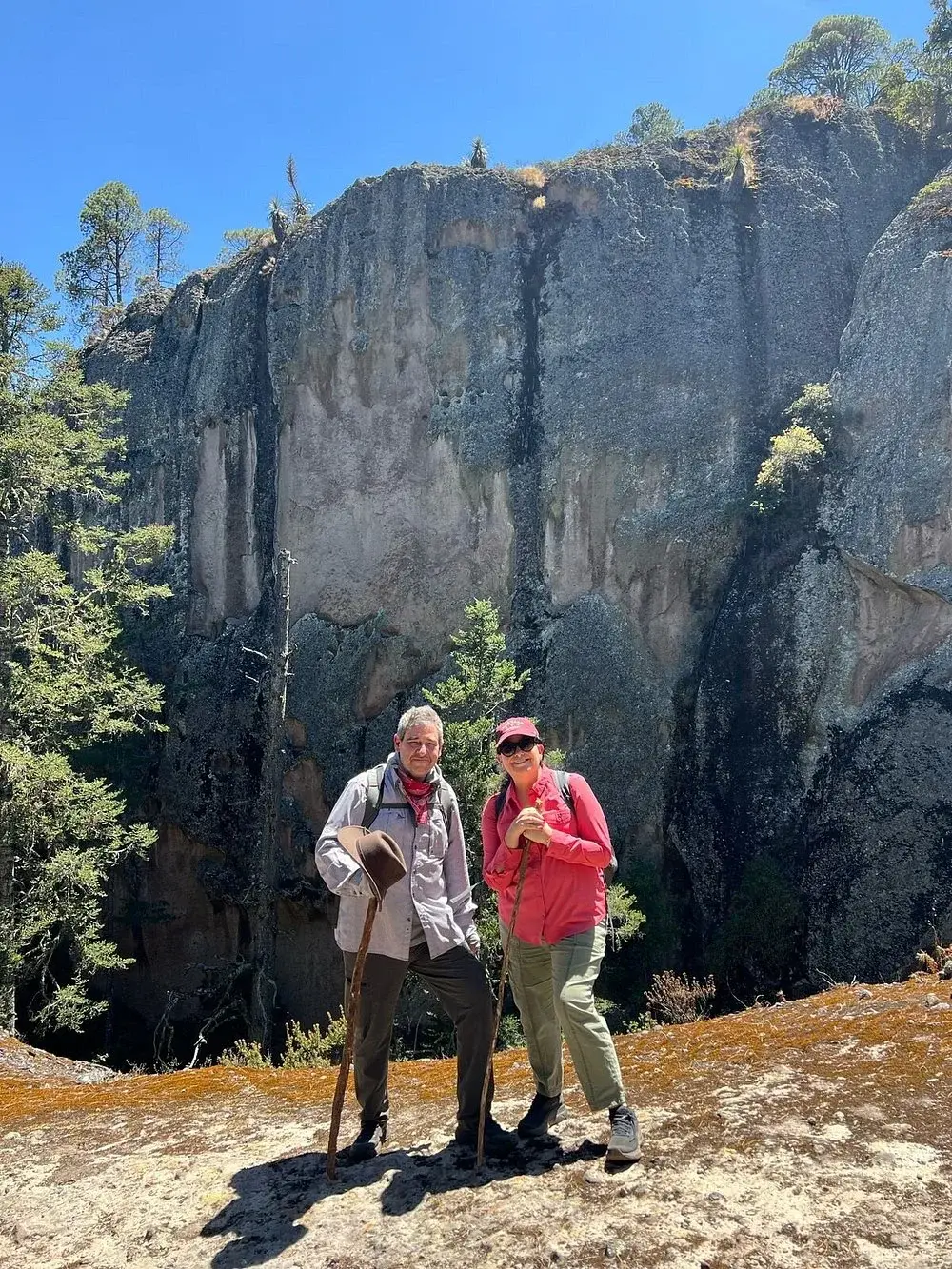
Pueblos Mancomunados (Sierra Norte)
Eight Zapotec villages sharing and managing their forest together. Cold, misty, and the trout tastes like a river. If you don't have a car, the Pueblos Mancomunados hiking tour includes river trout, a suspension bridge, and a zipline.
Sierra Juárez and Capulálpam
Capulálpam de Méndez is one of Mexico's most awarded community tourism villages. The Sierra Juárez has cloud forests, crystal rivers, and a Zapotec history that few guides tell well. If you want someone who knows the region deeply, the Sierra Juárez Experience — nature, history and ancestral knowledge is worth more than a day trip.
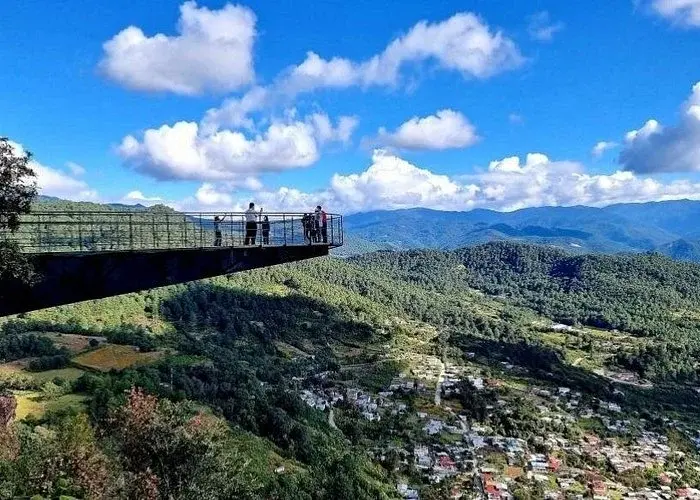
You can get there by shared colectivo — take a van toward Ixtlán de Juárez or Guelatao de Juárez, departing from the Monumento a Juárez here. Honestly, I don't recommend it as a day trip on your own: the return is the problem. You have to wait roadside until a van with available seats comes back toward the city, and if you leave late there's a real chance you'll be stranded waiting until dark. It's technically possible, but go with a tour or rent a car.
Apoala: the canyon worth two days
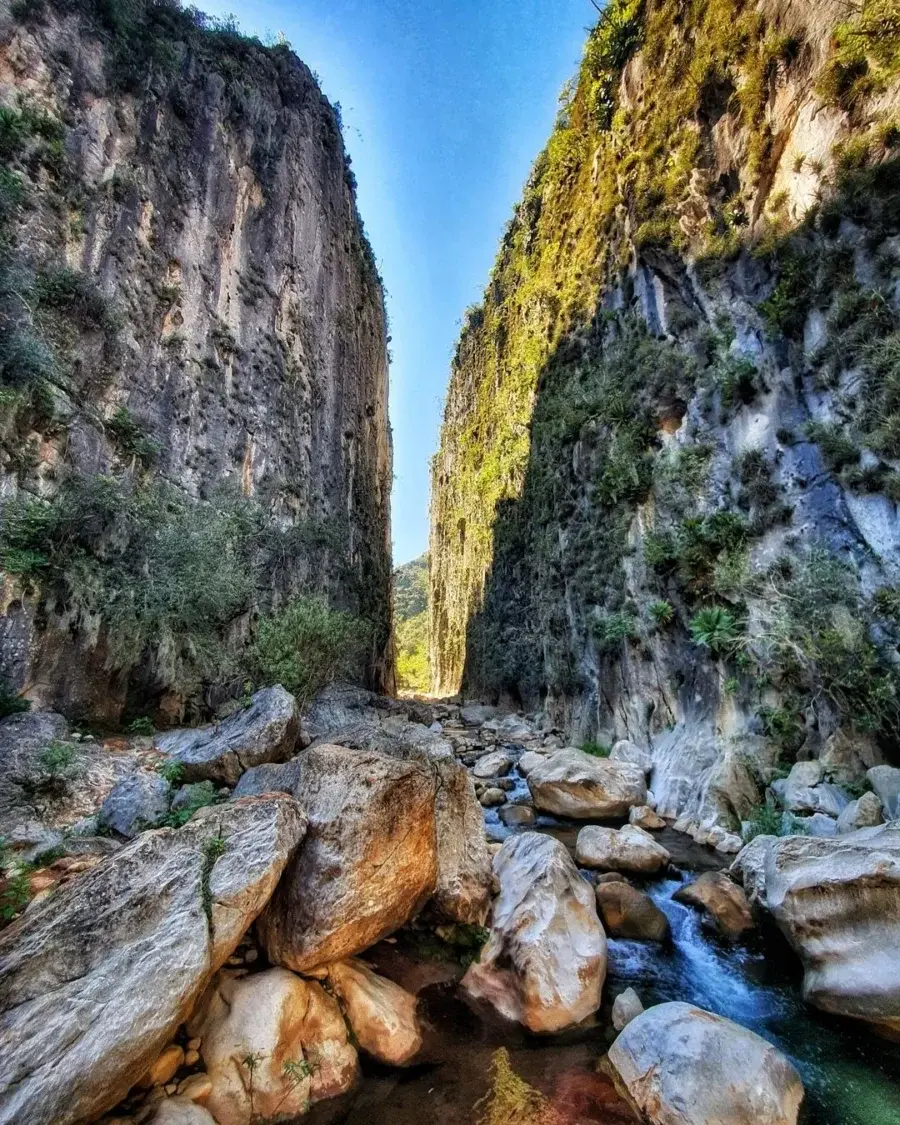
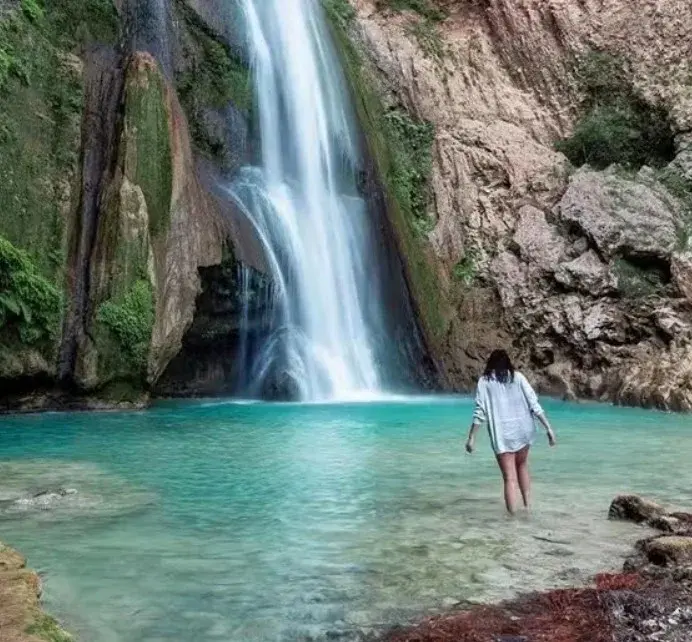
Apoala has no signal — ideal for genuinely disconnecting. The two-day Apoala Canyon hiking route covers 12 km through oak forest, swimming holes, the Cola de Serpiente waterfall, the Cave of the Devil legend, and palm weaving with a local family.
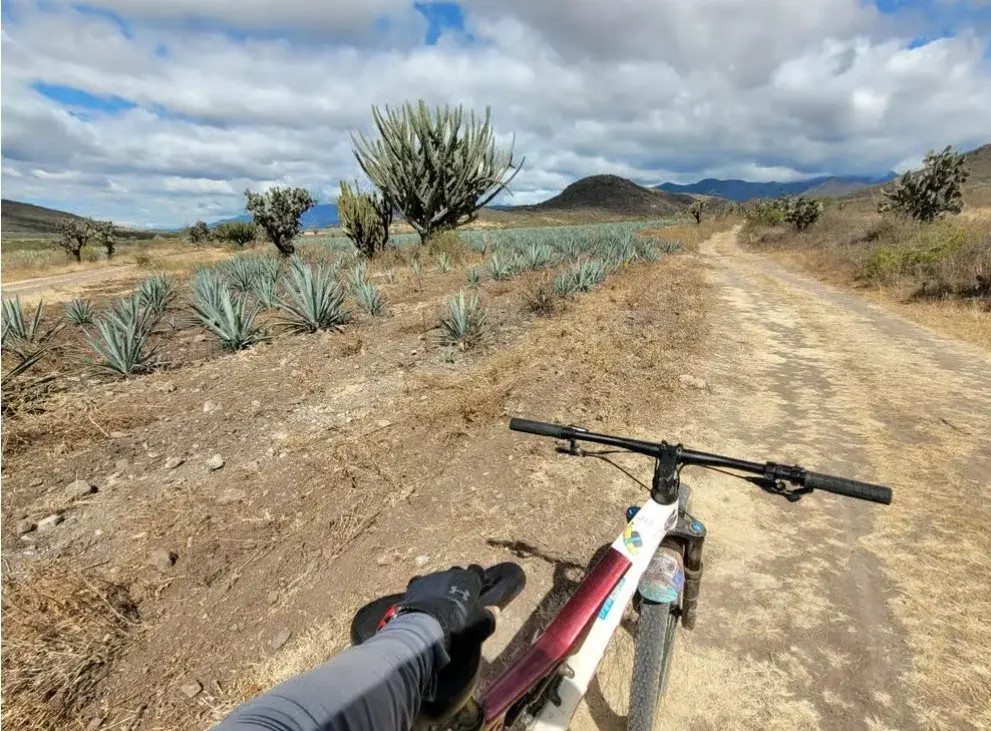
Mountain biking and tacos
For those who prefer to push the limits between maguey plants: the spicy MTB routes and even spicier tacos is the most fun option in this category.
Calendar: what you can't miss
| Date | What | Where |
|---|---|---|
| Mon Oct 12, 2026 | Fiesta del Árbol del Tule | Santa María del Tule |
| Oct 31–Nov 2 | Día de Muertos: parades, altars, cemeteries | Centro, Jalatlaco, Xochimilco, Xoxocotlán |
| Nov 6–8 | First Oaxaca Jazz Festival | Ciudad de Oaxaca |
| Dec 23 | Noche de Rábanos | Zócalo (arrive early: the lines are long) |
| Mar 5, 2027 (est.) | Día de la Samaritana — free aguas frescas | Centro |
| Mar 21–28, 2027 (est.) | Semana Santa | Centro and villages |
| Jul 19 & 26, 2027 (est.) | Guelaguetza, Lunes del Cerro | Guelaguetza Auditorium |
| July 2027 | Feria Internacional del Mezcal | Ciudad de Oaxaca |
Weekly market days in the Central Valleys
| Day | Town | What to look for |
|---|---|---|
| Wednesday | Etla | Quesillo, bread, and barbacoa |
| Thursday | Zaachila | Goat barbacoa, ice cream, and marimba |
| Friday | Ocotlán de Morelos | Huipiles, clay, and flowers |
| Saturday | Central de Abastos | Valley tianguis and Doña Vale's memelas |
| Sunday | Tlacolula | Barbacoa, mezcal, and bread; the biggest and most alive |
Read our Día de Muertos in Oaxaca guide so you don't miss anything.
If you come for Día de Muertos, the comparsas (parades) are open and free. The cemeteries belong to the families: ask before taking photos, don't step on the ofrendas, and don't show up to a real wake with your face painted. If you want to understand what you're seeing in the cemeteries, there's a guided Día de Muertos cemetery tour running seven hours with food included. If you have time before October 26, the marigold fields are also part of the experience — hours, what to expect, etiquette, and the full 2026 event program are all in the Day of the Dead 2026 activities article.
Every week in the city
Check the events calendar for weekend plans. For live weekly plans, search "Qué Onda Oaxaca."
Nightlife and making friends
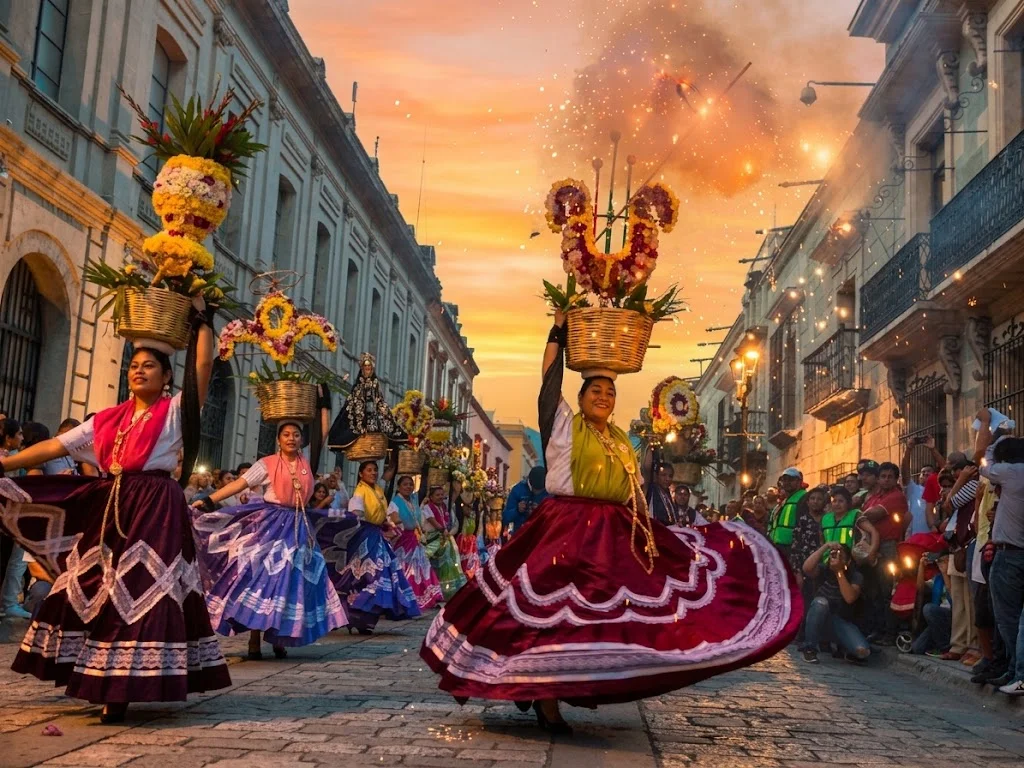
Oaxaca at night is more about calendas, mezcal, and live music than clubs. If you're traveling solo, it's easy to meet people here. Calendas. If you hear a brass band and fireworks, follow them. These neighborhood party processions have giant puppets and dancing papier-mâché figures; someone will almost always pull you in to dance. LudiTalk — The language exchange I organize. Wednesdays at Océano (Matamoros 201, Centro): 6pm languages, 9pm open mic with poetry, jam, karaoke, and stand-up. Thursdays at Wombat (Mártires de Tacubaya 517): 6pm languages, 9pm karaoke. There are always locals wanting to practice English: it's the easiest way out of the tourist bubble. Read our how to make friends in Oaxaca guide. Dancing. Bar La Tentación fills with locals. Salón Alcalá has Latin rhythm classes. The Thursday salsa nights at Txalaparta get going after 11pm. For changing concerts and parties, check the queondaoaxaca.com calendar.
With kids
- ▸The kids' chocolate making experience is the activity actually designed for them: they make their own chocolate from the bean.
- ▸El Tule — local kids show them shapes in the bark with a small mirror. Cheap and short.
- ▸Painting alebrijes — workshops in San Martín Tilcajete and Arrazola.
- ▸The Casa de la Ciudad photo floor — walking across the entire city and finding your hotel.
- ▸Monte Albán early — space to run around, but steep stairs and no shade.
- ▸Calendas and Noche de Rábanos — festivals that blow their minds.
- ▸Ice cream at La Soledad — the perfect closing reward.
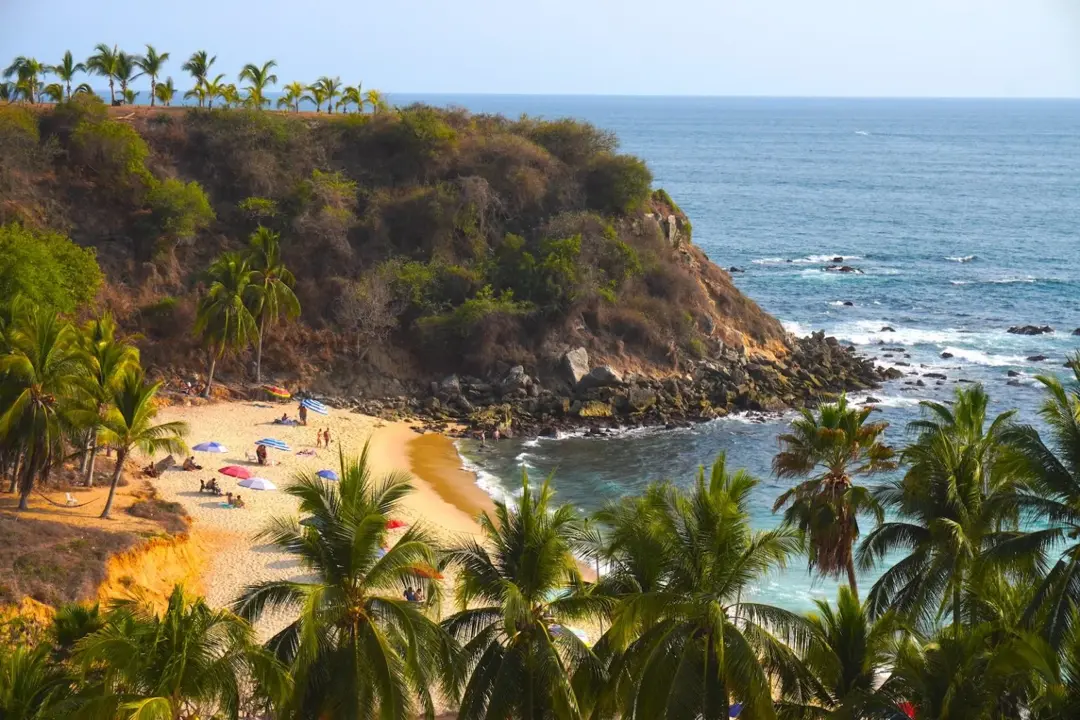
If you continue to the coast
Since February 2024, the Barranca Larga-Ventanilla highway cut the drive to Puerto Escondido to ~3 hours (it used to be more than 6).
Sample itineraries: 1 to 5 days
| Day | Morning | Afternoon | Evening |
|---|---|---|---|
| 1 | Santo Domingo + Jardín Etnobotánico | Smoke corridor + Jalatlaco free tour | Andador, Soledad ice cream, a mezcal |
| 2 | Monte Albán early (shuttle or tour) | Tamayo or Textil museum + Xochimilco | Street food night tour, or LudiTalk (Wed/Thu) |
| 3 | Full eastern route: Tule, Teotitlán, Hierve el Agua, Mitla, mezcal (tour or colectivos) | (continues) | Rest: you're going to need it |
| 4 | Cooking class, salsas, or vegan mole | La Merced or Benito Juárez at your own pace | Calenda or live music |
| 5 | Etla Valley (quesillo) or San Bartolo + alebrijes | Shopping for crafts with what you've learned | Farewell with a tlayuda from the anafre |
Coming for 4 days? Do days 1 to 4: the city, Monte Albán, the full eastern route, and a cooking class. Does your day 3 fall on a Sunday? Swap the eastern route for Tlacolula and a family palenque, and save Hierve el Agua for another day.
Did this guide help? I wrote it from Atzompa, without editorial sponsors, so nobody misses the best of Oaxaca. Buy me a mezcal if it was useful.
Taking something of Oaxaca with you? Our shop has curated local pieces — what you buy there funds this guide and keeps the cultural calendar free.
Frequently asked questions
How many days do I need to see Oaxaca?
Minimum three: one for the city, one for Monte Albán, one for the eastern route (Tule, Mitla, and Hierve el Agua). With five you'll have room for a cooking class and one more village. With a week you start to really understand it.What can I do for free in Oaxaca?
Walk Jalatlaco and Xochimilco, enter Santo Domingo, visit the free museums (MUFI, Textil, San Pablo, IAGO, and CFMAB), watch the Día de Muertos parades and Noche de Rábanos, take a free tour. On Sundays, archaeological sites are free for Mexicans and residents with INE.What altitude is Oaxaca City?
About 1,550 m (5,085 ft) above sea level. The sun hits hard even when the air feels cool: hat, sunscreen, and water.How do I get from the airport to the Centro?
Only authorized taxis and airport collective vans can pick you up; DiDi doesn't enter the arrivals hall. The trip takes 20 to 30 minutes. Read our Oaxaca transport guide.How much does Monte Albán cost in 2026?
$210 MXN general and $105 MXN for nationals and residents; site museum included. Open 8am–5pm (last entry 4pm). Sundays are free for Mexicans and residents with INE.How do I get to Monte Albán?
The most practical way is the shuttles from Hotel Rivera del Ángel (Mina 518) from 8:30am, ~$130 MXN round trip. By taxi/DiDi it's 25 minutes. Walking is 9 km uphill and there have been robberies on the road — I don't recommend it alone.How do I get to Hierve el Agua without a tour?
Colectivo to Mitla from the Baseball Stadium, then a van Mitla–Hierve el Agua ($75 MXN/trip), community toll, and entry. Confirm it's open before going — it sometimes closes due to inter-community conflicts.Are there beaches near Oaxaca?
The city is in the valleys. Puerto Escondido is ~3 hours by car on the highway; Huatulco and Mazunte combine well too.What's the best time to visit Oaxaca?
October through April is dry season. October, February, and March are the sweet spot. Día de Muertos and Guelaguetza are spectacular, but book ahead.Is it safe to travel to Oaxaca?
The Centro and Central Valleys are navigable with the same precautions as any city. What does happen regularly are blockades and marches: check the news before heading out to villages. Read our safety guide for tourists.What do I absolutely have to eat?
Tlayuda, mole negro, coloradito, memelas, amarillo empanada, smoke corridor tasajo, quesillo, chapulines, tejate, and pan de yema with chocolate. And one leche quemada con tuna ice cream.What to do in Oaxaca at night?
Follow a calenda, have dinner at Parque El Llano, visit a mezcalería or go dancing. If you want to meet people, go to LudiTalk on Wednesdays or Thursdays.Oaxaca doesn't end in one trip, and that's fine. What you don't get to see is the perfect excuse to come back.
One thing I ask in exchange for this guide: travel slowly, buy directly from the people who make things, ask before taking someone's photo, and tip your guide well.
For weekly plans, search "Qué Onda Oaxaca" or visit our events calendar. Did you spot an incorrect price or schedule? Write to us and we'll update it.
Have questions about Oaxaca? There's a Facebook community group where you can ask — most members speak Spanish but there's always someone bilingual happy to help. Qué Onda Oaxaca — community & links.
Coming in December? That season has its own guide: Christmas & New Year's in Oaxaca.
See you in the smoke corridor. I'm the one who orders double tasajo.
--- mish Dary, Director · Qué Onda Oaxaca