Christmas & New Year's in Oaxaca: Traditions, Parties & Beach
By mish Dary · Updated: November 2026
This article contains affiliate links. If you book or hire through them, I earn a small commission at no extra cost to you. Thanks for supporting Qué Onda Oaxaca.
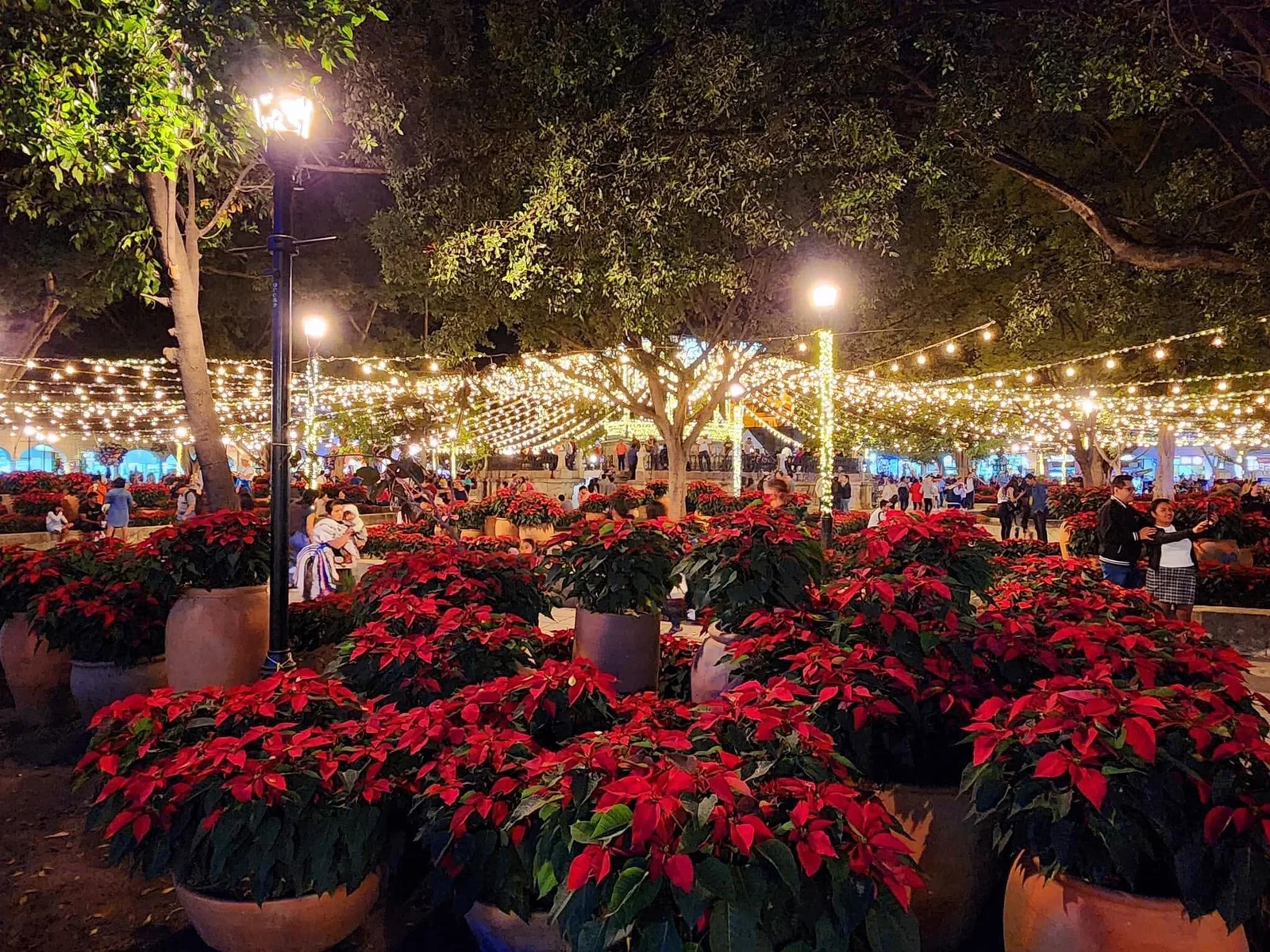
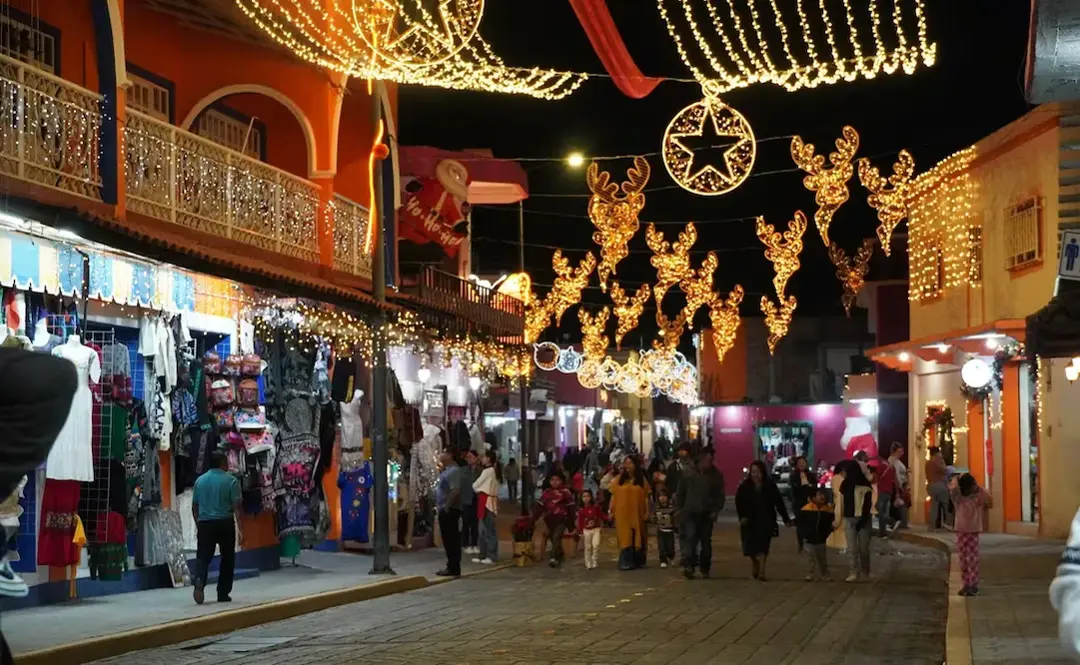
December in Oaxaca is not meant to be rushed. It's meant to be walked. I spend this time strolling through the Centro, because it's when the city is at its most beautiful: lights strung between balconies, red poinsettias (nochebuenas) on the Zócalo, an enormous nativity scene in front of the Cathedral, a brass band turning the corner, and in the parks a little cart selling steaming ponche in a styrofoam cup. The Centro Histórico is small enough to cover on foot — and on foot is the only way to catch the things you'd miss from a taxi. I'll leave you a YouTube video further below so you can see it with your own eyes.
But there's something most guides don't tell you: Christmas in Oaxaca has two faces. From December 1 to 23 the city buzzes with religious festivals, posadas and the Night of the Radishes. From the 24th onward, many Oaxacans retreat home with family, businesses close and the Centro becomes a quiet stage for visitors and those of us who want to wander. Neither is better — but it matters which one you're coming for.
This guide explains the traditions (what they are, where they come from, how to experience them without getting in the way), gives you the December-to-January calendar, tells you where to stay and helps you decide whether to ring in the New Year in the city or on the coast. If this is your first trip to Oaxaca, also start with my things to do in Oaxaca guide.
December in Oaxaca in 30 Seconds
| **Most intense** | December 12–23: Guadalupe, posadas, the Soledad and Night of the Radishes |
| **Most quiet** | December 25 and January 1: locals stay home, many businesses closed |
| **Can't-miss** | A posada, a cup of ponche, buñuelos with a smashed plate and Night of the Radishes (Dec 23) |
| **Weather** | Sunny and mild days, cold nights — bring a jacket |
| **Season** | High season: book accommodation well in advance |
| **City or beach for New Year's?** | City for tradition and nights out with friends; the coast for a party on the sand |
Oaxaca Christmas Calendar: December to January
December in Oaxaca isn't a single holiday — it's an entire month where one celebration flows into the next. Many dates are fixed by tradition, but government-organized festivals (illuminated villages, concerts, fairs) are announced late, sometimes just days before they begin. That's why each event has a status, and everything we confirm goes straight to the Qué Onda Oaxaca events calendar.
| Date | What's happening | Where | Status |
|---|---|---|---|
| Late November | Lighting of the monumental tree and city illuminations | Centro Histórico | Annual tradition · in 2025 it was November 30 |
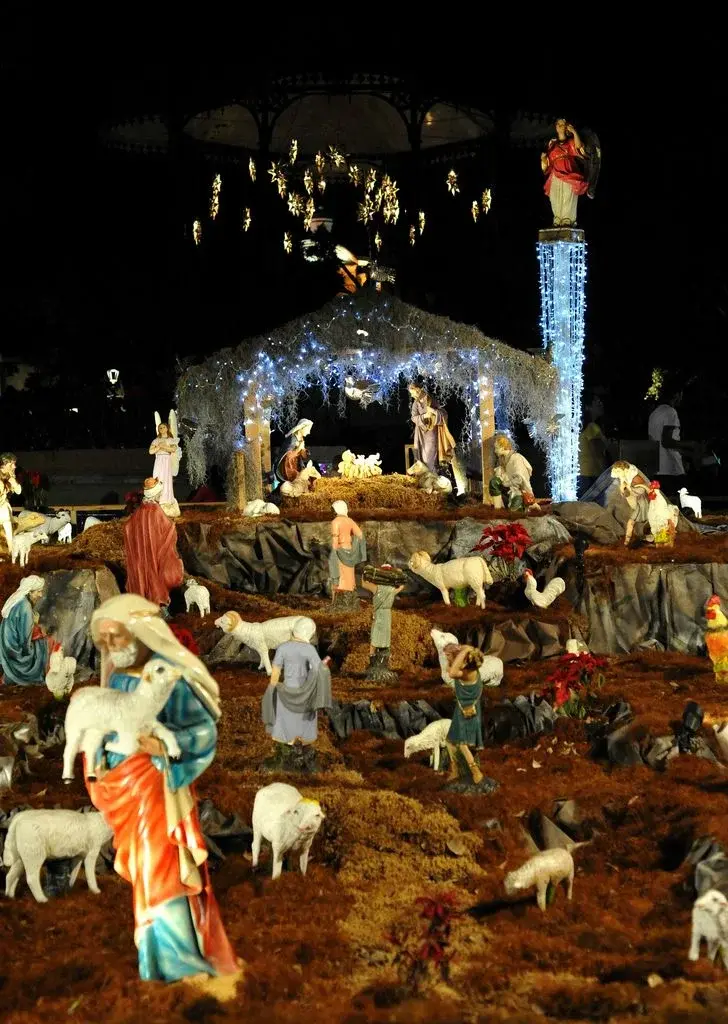
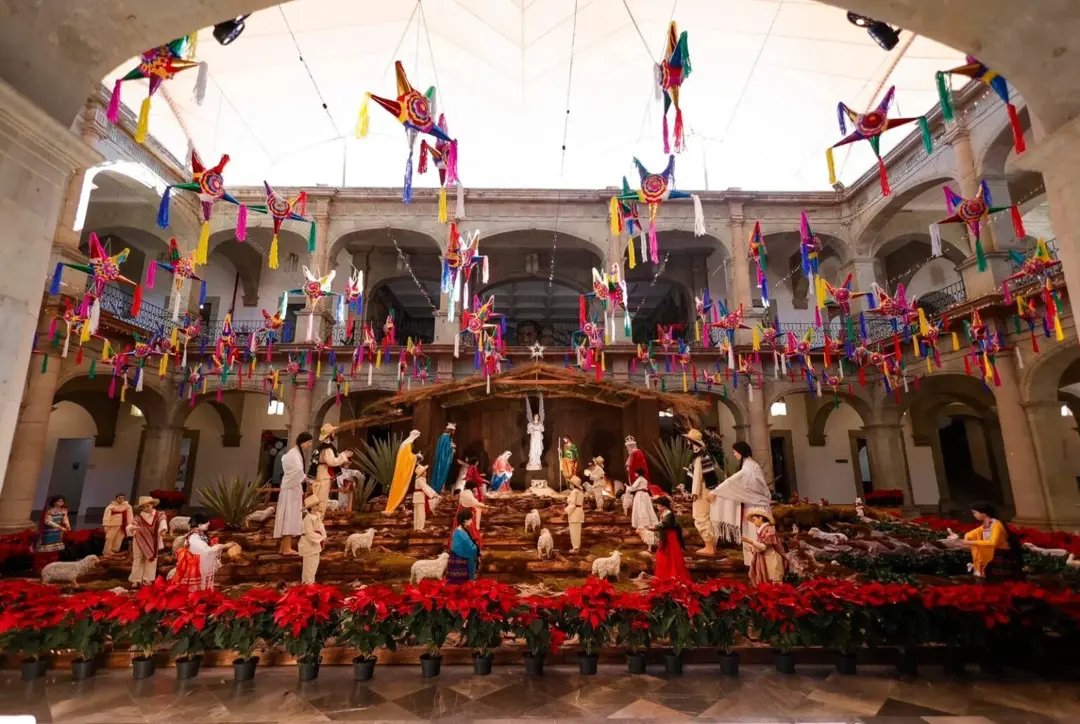
| All December | Illuminations and nativity scenes | Zócalo, Palacio de Gobierno (monumental nativity) and pedestrian walkways | Annual tradition |
| All December | Calendas, brass bands and toritos | Centro neighborhoods and towns of the Central Valleys | Annual tradition · check the [calendar](/en) |
| Early December | Fandango Costeño | Plaza de la Danza | Confirm each year |
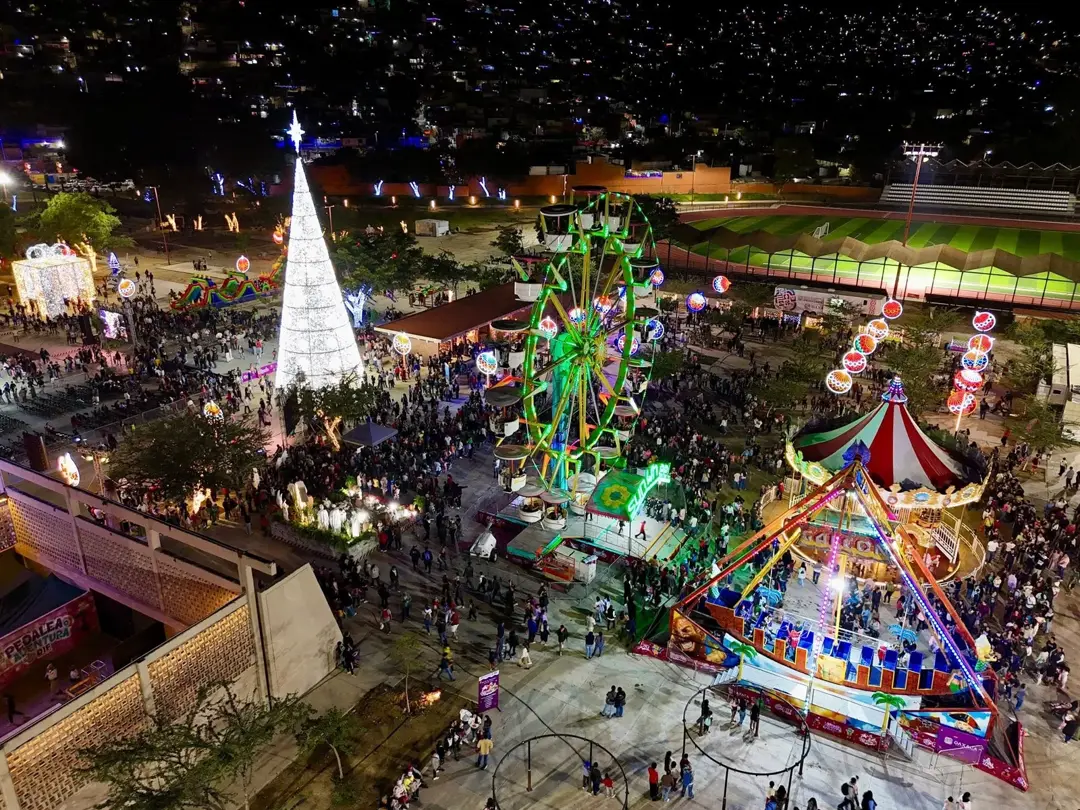
| Early December to early January | Christmas Festival: ice rink, concerts, carols, free cinema and workshops | [Parque Primavera Oaxaqueña](https://maps.app.goo.gl/apNffBZtS5UmjDZ6A) (Cho Ndobá), San Martín Mexicapam | Reference date: in 2025, Dec 4 – Jan 7, noon to 10 pm |
| December to early January | Villa Mágica de Mitla: the lit-up village | San Pablo Villa de Mitla | Reference date: in 2025, until January 6, 6 pm–midnight |
| Dec 8 | Virgen de Juquila | Churches and devoted neighborhoods; the main pilgrimage — often on foot, several days long — goes to Santa Catarina Juquila | Annual tradition |
| Dec 12 | Virgen de Guadalupe: children dressed as "inditos" and juandieguitos, food stalls and fair | Santuario de Guadalupe, near El Llano park | Annual tradition |
| December | *The Nutcracker* | Teatro Macedonio Alcalá | Usually performed in December · confirm dates |
| Dec 16–24 | Posadas | All neighborhoods; Jalatlaco is one of the best areas to see them if you're staying near the Centro | Annual tradition |
| Dec 17–18 | Eve and feast of the Virgen de la Soledad, patron of Oaxaca: convite procession, midnight mass and mañanitas | [Basílica de la Soledad](https://maps.app.goo.gl/Q65JcG4dsxeqki2v5) and Plaza de la Danza | Annual tradition |
| December | Buñuelos (and the smashed plate) | In 2025, at [Jardín Morelos](https://maps.app.goo.gl/ypxn1KtdxsfVDiyP6); other years, in other Centro gardens | Annual tradition · exact location confirmed each year |
| Dec 23 | **Noche de Rábanos (Night of the Radishes)** | Zócalo | Annual tradition (fixed date) |
| Dec 24 | Nochebuena: calendas of the Niño Dios (arrive at the Cathedral around 10 pm), midnight mass and family dinner | Zócalo, Cathedral, Centro churches and homes | Annual tradition |
| Dec 25 | Christmas Day: quiet city, many businesses closed | Throughout the city | Annual tradition |
| Dec 31 | New Year's Eve: dinners, bars and parties | Centro, bars and cantinas, or the coast | Annual tradition |
| Jan 1 | New Year's Day: quiet city, many businesses closed | Throughout the city | Annual tradition |
| Jan 6 | Día de Reyes (Three Kings): rosca de Reyes | Bakeries and homes | Annual tradition |
| Feb 2 | Día de la Candelaria: tamales (paid by whoever found the figurine in the rosca) | Homes | Annual tradition |
How to Read This Calendar
- ▸December 1–15: the city starts to warm up — illuminations go on, Juquila and Guadalupe arrive, scattered cultural events. Best time if you hate crowds, and the most budget-friendly for accommodation.
- ▸December 16–23: the most intense stretch — posadas every night, the Soledad festival and Night of the Radishes. If you can only come for a few days, make it these.
- ▸December 24 onward: the city changes. Oaxacans are home with family, many businesses close on the 25th and January 1st. Perfect for quiet walks; for parties, the 31st.
Posadas: Knocking on Doors, Ponche and Piñatas
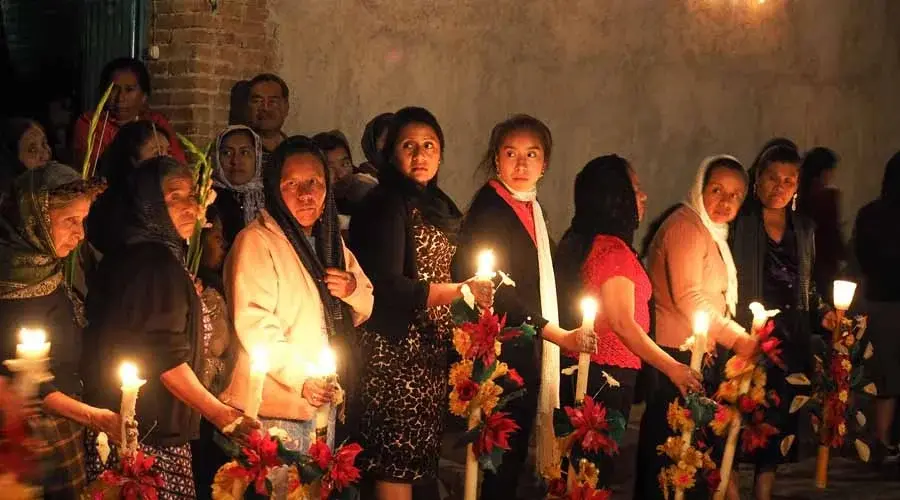
Posadas are nine nights — December 16 to 24 — commemorating Mary and Joseph's search for shelter before the birth of Jesus. Each night, a candlelit procession, sometimes with children dressed as shepherds and figures carried on a litter, goes from house to house asking for posada, singing.
The song has two parts. One group stays outside playing the pilgrims, the other inside playing the innkeepers who refuse — until they recognize who is knocking and open the door.
Outside: En el nombre del cielo / os pido posada, / pues no puede andar / mi esposa amada.
>(In the name of heaven I ask you for shelter, for my beloved wife can walk no further.)
Inside: Aquí no es mesón, / sigan adelante, / yo no puedo abrir, / no sea algún tunante.
>(This is no inn — move along, I cannot open, you might be a rascal.)
Everyone, upon opening: Entren, santos peregrinos, peregrinos, / reciban este rincón, / que aunque es pobre la morada, la morada, / os la doy de corazón.
(Come in, holy pilgrims — accept this humble corner, I give it to you with all my heart.)
If you want to know the melody before you arrive, here it is:
Singing the outside part with a candle in your hand — even reading the words off your phone — is a genuinely moving experience. I understand the curiosity to go and watch, but remember this isn't just another Oaxaca festival: it's a religious celebration. Learn when to put the camera down and above all be respectful. Nobody will tell you off — and you'll very likely be invited in with a smile.
After the door opens comes the party: ponche, colación and aguinaldo (a little bag of sweets, fruit and probably some small sandwiches) for the children, and the piñata. The traditional piñata has seven points, said to represent the seven deadly sins — breaking it blindfolded means defeating evil through faith. What falls out is the reward.
La Rama: The Other Way to Ask for Aguinaldo
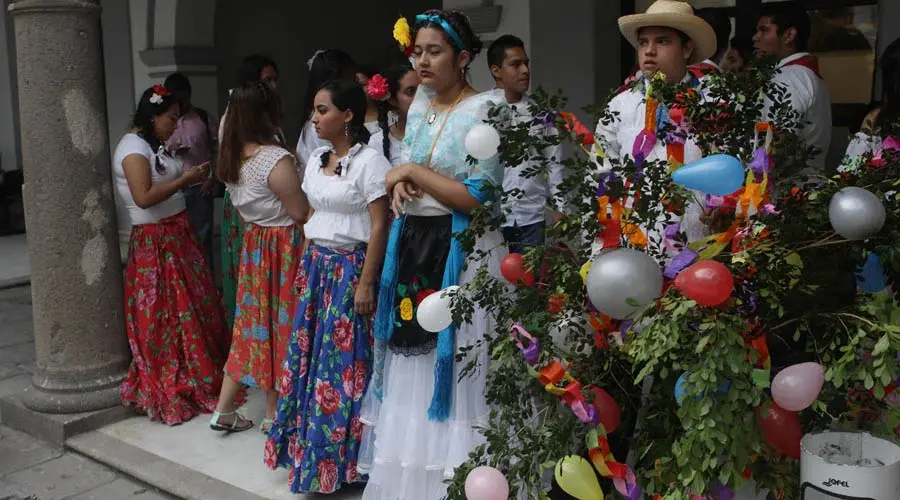
While the Central Valleys do posadas, Tuxtepec and parts of the Papaloapan Basin celebrate La Rama — a tradition where children go house to house collecting their aguinaldo. It has roots in Veracruz and is also alive in several Oaxacan municipalities with strong coastal and Gulf influence. On December nights, groups of children, young people and adults walk the streets carrying a branch decorated with flowers, ribbons and lanterns, singing playful Christmas verses in exchange for a small contribution.
Beyond the singing, La Rama is communal joy and local identity — a custom that turns the streets into a space of shared celebration. If you're in the Papaloapan Basin in December and someone knocks on your door with a branch, you know what to do: listen to the verses and pitch in.
Calendas, Brass Bands and Toritos: December Sounds
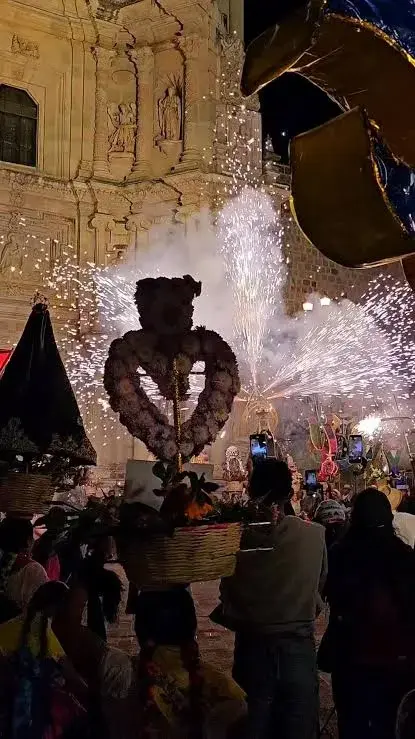
There are always calendas in Oaxaca — they're part of daily life, for a saint's feast, a wedding or an anniversary. But in December they multiply. Throughout the Central Valleys, the streets light up all month with nighttime processions of paper lanterns, brass bands and the traditional toritos: iron frames packed with fireworks that someone carries and chases through the crowd, shooting off sparks.
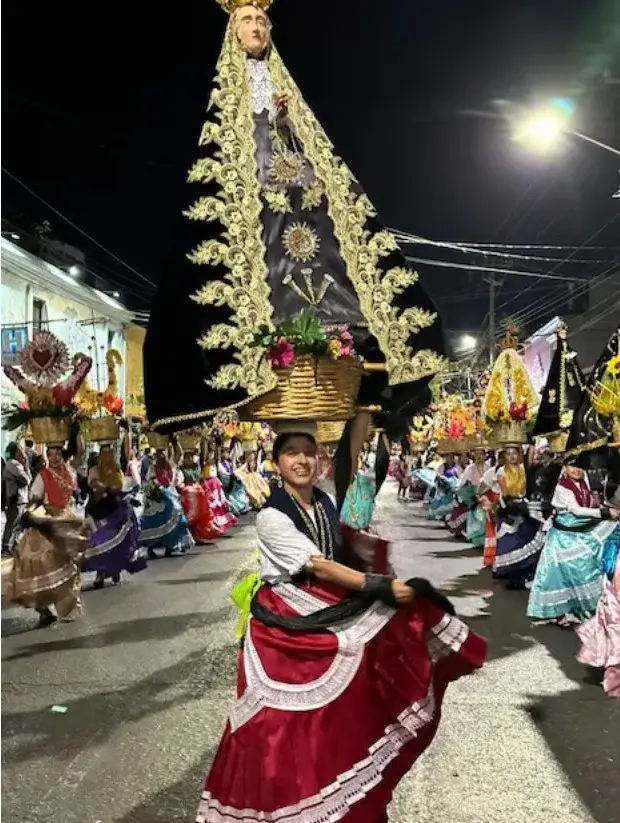
If a torito comes your way, enjoy it from a safe distance, protect your eyes and don't wear anything you'd mind scorching. That's part of the fun.
We post upcoming calendas on the Qué Onda Oaxaca events calendar as we learn about them — many are only announced a few days ahead, so check before you head out.
Ponche: The Unmissable December Drink
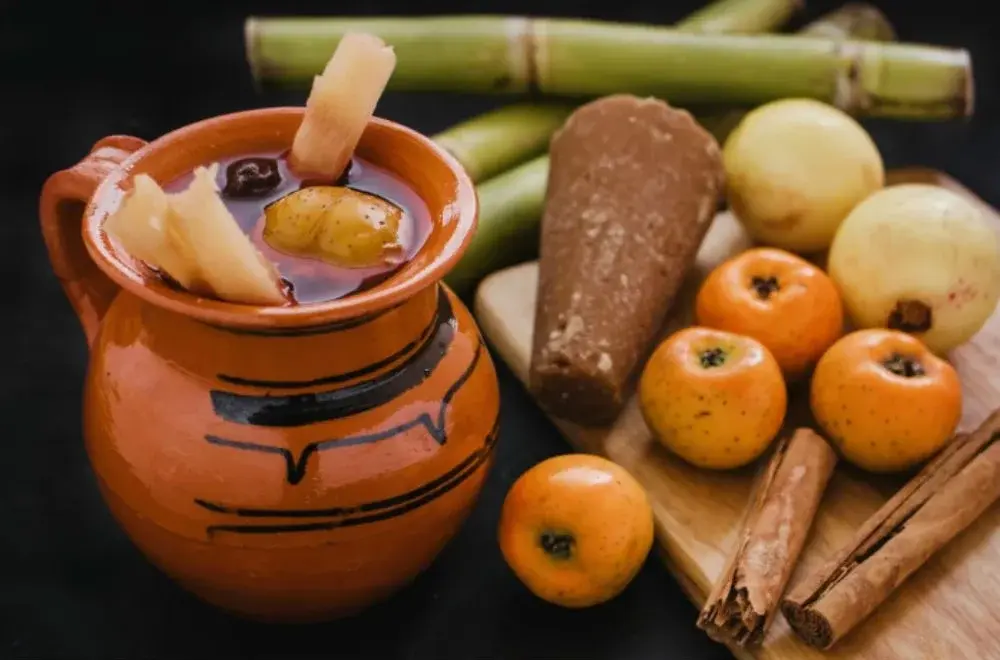
If you do one thing in December, make it drinking ponche while walking the Centro at night. It's a hot drink of seasonal fruits — tejocote, guava, sugar cane, apple, prune and piloncillo with cinnamon. Every family adds their own touch, and if someone asks whether you want it "con piquete" (with a kick): a splash of mezcal or aguardiente — just say yes, once a year doesn't hurt (I'm joking, sort of).
You'll find it at posadas, outside churches, at the Zócalo stalls and at festivals like the Virgen de la Soledad fair.
Tamales, Chocolate and Christmas Eve Dinner
December in Oaxaca is also about eating:
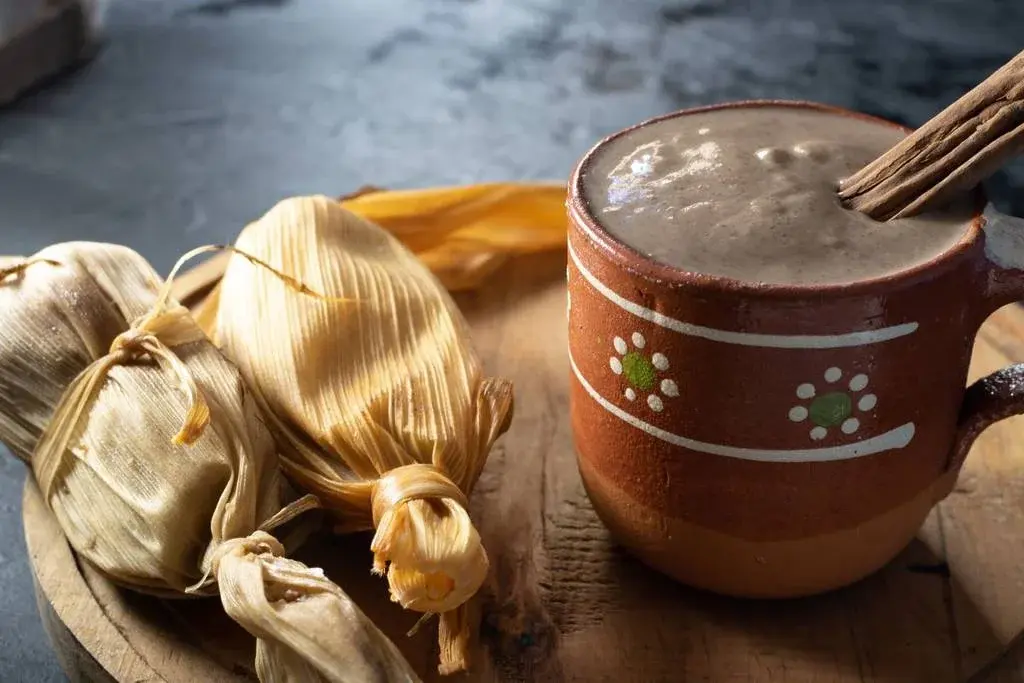
- ▸Tamales. Here they're wrapped in banana leaf, often with black mole inside, or in corn husk (with rajas, chepil, or amarillo sauce). In December they're made by the dozen for posadas and Nochebuena. Find them in markets and on street corners in the morning.
- ▸Chocolate. Oaxacan hot chocolate — with water or milk, frothed and foamy, served with pan de yema (egg bread) — is what you drink on cold evenings.
- ▸Ponche and buñuelos, which I cover above and below.
- ▸Nochebuena dinner. Every family has their own version, but the traditional spread includes bacalao (salt cod), seasonal salads, fish, and ates (fruit paste) and nieves (sorbets) for dessert.
If you don't have anyone to dine with on the 24th, many Centro restaurants put together a Nochebuena menu — book from early December.
Walking the Centro in December
My honest advice: don't over-plan. Head out in the late afternoon as it starts to get dark and walk with no particular destination — from the Zócalo toward Santo Domingo along the pedestrian walkway, or over to the Soledad or Jalatlaco.
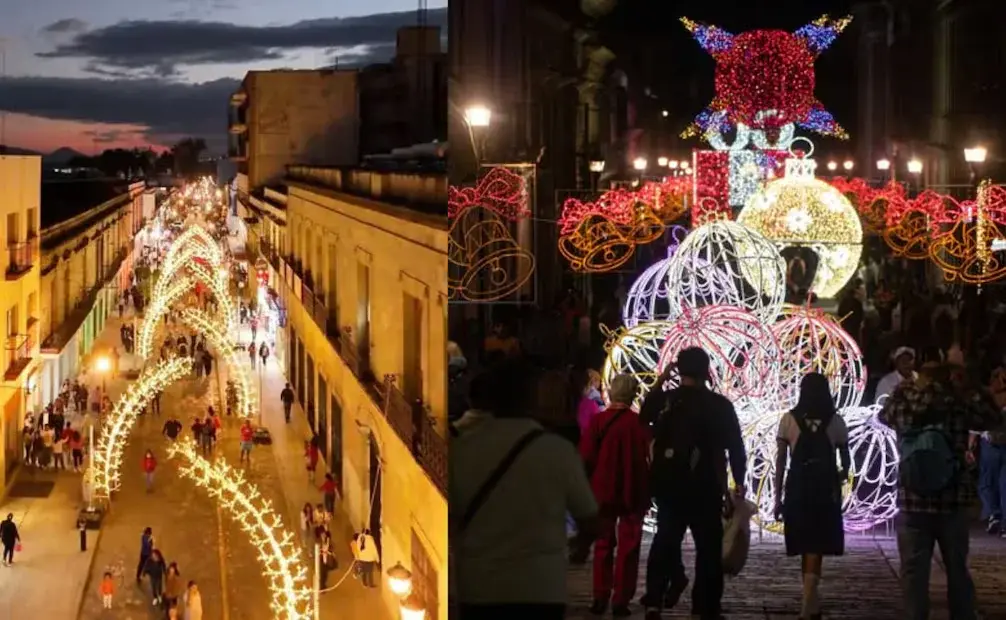
- ▸The Zócalo fills up with poinsettias (the red flower the rest of the world knows under that name, but which is Mexican and called nochebuena here), and nativity scenes go up: one on the plaza in front of the Cathedral, and a monumental one on the façade of the Palacio de Gobierno, right on the Zócalo. The lights go on with the tree-lighting ceremony in late November (in 2025, Sunday the 30th).
- ▸The streets light up and balconies are decorated. There's music on the plazas almost every night.
- ▸The churches dress up for their festivals, and you're likely to come across a calenda or a brass band at any turn.
Want to feel what walking through here is like? On my YouTube channel I post walking tours of Oaxaca. This one is from Día de Muertos, first-person perspective, through several Centro streets that fill with lights in December. It starts at minute 5:10, right at the Centro section:
If you enjoy it, subscribe — I keep adding more walks.
For getting around between neighborhoods, to the airport or to the villages, check my transportation guide.
The Virgen de la Soledad and the Smashed Buñuelo Plate
December 18 is the feast of the Virgen de la Soledad, the patron of Oaxaca. Legend has it that in the 17th century a mule traveling with a caravan lay down in front of the hermitage of San Sebastián and refused to get up; when they checked its load, they found the image of the Virgin, and her church was built right there. Today her basilica, west of the Centro next to the Plaza de la Danza, with its façade like a stone folding screen, is one of the city's most beloved. On the eve, the 17th, the plaza fills with people, music and stalls, and there's a convite procession, midnight mass and mañanitas. 📍 Basílica de Nuestra Señora de la Soledad
And with December come buñuelos: thin fried flour discs, crispy, drenched in piloncillo syrup, served on an unglazed clay plate. The best part comes after: when you finish them, you make a wish and smash the plate. Throw it on the ground and they say that if it shatters into pieces, your wish will come true. Where does it come from? Nobody really knows for sure. And note: even though the stalls appear during religious festivals, smashing the plate is not a Christian rite and has nothing to do with mass. What there are is several versions, and everyone has their own to tell:
- ▸The pre-Hispanic one: that it comes from Atemoztli, the sixteenth month of the Mexica calendar, which fell around December. According to some chronicles, clay plates and vessels were smashed during those days in anticipation of new life.
- ▸The cholera one: that it dates from a cholera epidemic in the early 20th century, when recovered patients' dishes were broken to celebrate their recovery and prevent contagion.
- ▸The old-family one: that Oaxaca's well-off families broke their old crockery to ring in the year with new dishes.
It's one of those customs I honestly don't fully understand — I'm Mixe and we don't do this where I'm from — but I remember coming to Oaxaca City on school holidays and my grandmother, deeply religious, taking us to mass at the Soledad and then to the buñuelo stalls. As a kid I'd make my wish, smash my plate and move on. At some stalls they charge extra for the plate or ask you not to smash it on-site, so ask first. And if you can, make your wish and throw it hard — let the bad vibes go.
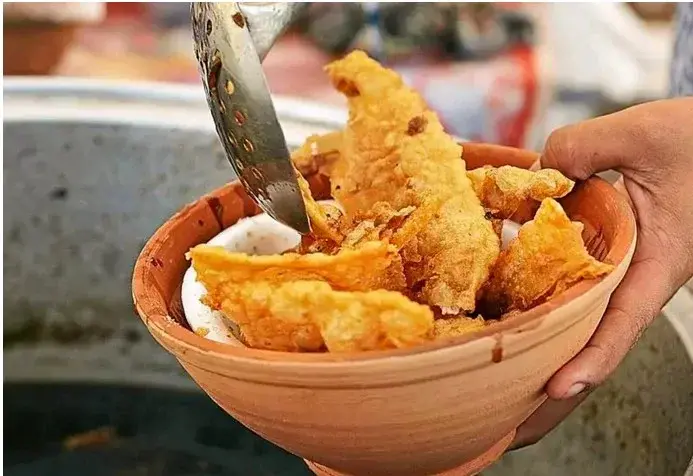
📍 Buñuelos: in 2025 the stalls were at Jardín Morelos, near the Soledad. Other years they've been in other Centro gardens and plazas; when I know where they'll be this year, I'll update it in the calendar.
Noche de Rábanos — Night of the Radishes (December 23)
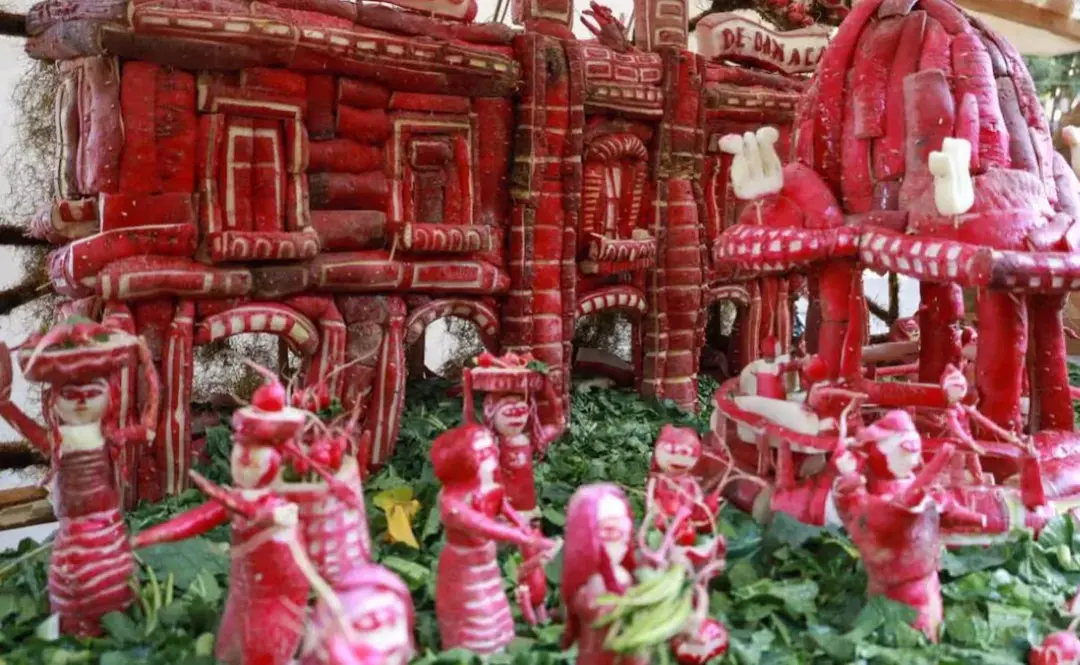
The most famous night of December in Oaxaca: farmers and artisans carve giant radishes into nativity scenes, calendas, historical figures and village festivals, displayed for one night only on the Zócalo. It was born in the old Christmas Eve market, when market gardeners carved their radishes to attract buyers, and since the late 19th century it has been an official competition. Alongside the radish category there are two others: flor inmortal (dried flowers) and totomoxtle (dried corn husk). Those enormous radishes are planted especially for this night starting in October — they're not for eating. The line is long and starts forming early. I explain how to see it without losing your mind in my Night of the Radishes guide.
Nochebuena and Christmas Day (December 24 and 25)
Nochebuena in Oaxaca is a doors-closed affair. Families gather with aunts, uncles, cousins and grandparents for dinner, and many go to midnight mass (misa de gallo). The calendas of December 24. On Nochebuena, every church in the Centro takes its Niño Dios out in procession, carried by its madrinas under paper lanterns, with a brass band and sometimes toritos. The processions make four loops around the Zócalo and arrive at the Cathedral around 10 pm, where the figure is placed in the manger before midnight mass. If you want to see them, get to the Zócalo from 8 or 9 pm and let the night carry you. If you come across one, follow it at a respectful distance.
Throughout December, more calendas go out from neighborhoods, churches and surrounding towns. Check the Qué Onda Oaxaca events section — we post them as they come up.
What you will definitely notice is the noise of fireworks (cohetes). They're set off to be heard, not seen, so don't expect a light show — expect thunder until the early hours. I mention it here so it doesn't catch you off guard, and especially so you don't become one of those visitors who tries to get a whole way of life changed just because they can't sleep. I know, they're not entirely my favorite either, but I understand it's part of my culture and deserves respect. What you need to know as a visitor:
- ▸On the evening of the 24th and all of the 25th, many businesses close — especially family-run fondas and markets. Centro restaurants and hotels usually stay open.
- ▸Many restaurants offer a Christmas dinner with a special menu. Book from early December.
- ▸The 25th the city feels empty — locals are with their families. If you like walking and photography, it can be a magical time. Monte Albán opens normally; confirm before you go.
- ▸If you eat out, check my tipping in Oaxaca guide. In high season the servers work twice as hard.
Beyond the Centro: Lights in Mitla and Parque Primavera
- ▸Villa Mágica de Mitla: the cobblestone streets of Mitla fill with lights and Christmas figures, food stalls, ponche, live music and a little train that loops the village. Last edition (2025) it opened 6 pm to midnight through January 6, with a small entrance fee (free for children under 10 and seniors), and the archaeological zone also opened at night with illumination until 9:30 pm. This year's dates will likely be similar; I'll update them here as soon as the government announces them. I explain how to get there, what else to see in Mitla and how to get back at night in my how to get to Mitla guide.
- ▸Christmas Festival at Parque Primavera Oaxaqueña (Cho Ndobá): organized by the state government and DIF in San Martín Mexicapam, next to the Atoyac river. Last edition (2025) ran December 4 to January 7, noon to 10 pm, free entry: ice rink, concerts, carol singing, dance performances, free cinema, workshops and a crafts fair. Great for families. Dates will likely be similar this year; I'll update here and in the calendar once confirmed. 📍 Parque Primavera Oaxaqueña
New Year's Eve in Oaxaca: The Biggest Party of December
If Christmas is family time, New Year's Eve is party time. My advice: head out after 10 pm. Before that, most people are at their family dinner; after, the bars, terraces and cantinas of the Centro fill up.
- ▸New Year's Eve dinners: hotels and restaurants put together dinner-and-toast packages. Book ahead.
- ▸After dinner: any bar in the Centro works — that's where the energy is. These days I head into Oaxaca City (I live in Atzompa, a couple of kilometers from the historic center): I go out with friends to dance and we end up staying until dawn at some cantina, like La Poblanita, Las Madres branch, singing and dancing with people we've never met. If you like Txalaparta or similar dance spots, expect a packed house and very likely a surcharge for the date.
- ▸Traveling solo or without family: join our Facebook group. Many expats and travelers organize plans there to avoid spending the holidays alone. And if you're staying a while, read my making friends in Oaxaca guide.
- ▸Getting home at dawn: take a taxi or DiDi even if your accommodation is nearby. More tips in my safety in Oaxaca guide.
- ▸January 1st — same as the 25th: quiet city and many businesses closed.

City or Coast for New Year's?
I'll be straight with you: a few years ago I went to Puerto Escondido for New Year's, because I was in the mood for partying, meeting random people and going all out. It was very, very good — completely different from Oaxaca: restaurants right on the ocean with a three-course dinner, live music and dancing on the sand until sunrise.
What you need to know: it's high season. Accommodation and New Year's Eve dinners cost significantly more than the rest of the year, so book as far ahead as possible — ideally three months out.
Why do I stay in the city now? Because I've hit my 30s and what I love is going out with my friends, dancing and staying up until dawn somewhere — welcoming the year with laughter and mezcal. Both options are great; it comes down to what kind of party you want. Your options, depending on what you're after:
- ▸Puerto Escondido: the most laid-back and festive, surfer and bohemian atmosphere. New Year's with dancing on the sand and people from everywhere.
- ▸Mazunte, Zipolite and San Agustinillo: smaller, more bohemian beach villages. New Year's on the sand with less production and more village atmosphere.
- ▸Huatulco: calm bays and large hotels. For rest, not for parties. hotels in Huatulco
- ▸Staying in the city: many Oaxacans would tell you December is best here — Rábanos, posadas, events all month, and a New Year's of bars, cantinas and friends. My suggestion if you have enough days: live the city's traditions through Christmas, then decide whether to head to the coast.
If You're Going to Puerto Escondido in December: What You Should Know
- ▸The weather is on your side. December is dry season: around 27°C (81°F), almost always clear skies and virtually no rain. The opposite of cold city nights — pack for both climates.
- ▸Not all of December is the same. December 1–14 has fewer people and friendlier prices. December 15–22 starts filling up with posada travelers and domestic tourists. December 23 to January 2 is the most expensive and crowded week of the year — families from across Mexico start arriving from the 22nd.
- ▸Book early. Seriously. During Christmas and New Year's week, accommodation can cost double or triple low season, and many places require minimum stays of 4–7 nights. I'd say three months out at minimum; for the December 23–January 2 week, some people recommend 4–6 months ahead. Last-minute deals in those dates barely exist. Same for New Year's dinners: the good restaurants fill up.
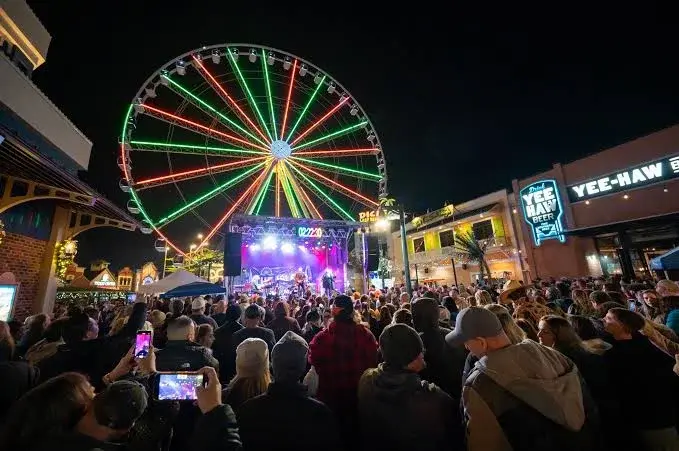
- ▸New Year's Eve. There are several simultaneous parties on Playa Principal and in Zicatela — live music, DJs, beach bars and fireworks over the ocean at midnight. Many go until sunrise.
- ▸Sleep away from the party if you need to sleep. If you're there to rest and not party, stay a few blocks from the beach or bring earplugs.
- ▸Watch out for the sea. Zicatela is one of the most famous waves in the world — the "Mexican Pipeline" — and it's for expert surfers only. For swimming, Carrizalillo or Manzanillo are better (calmer bays); La Punta is for intermediate surfers. And Bacocho for sunsets.
- ▸During the day, make the most of the season. December marks the start of humpback whale season, which runs through March; there are early boat trips like the morning dolphin tour, where whales may also be spotted in this season (sightings not guaranteed). There are also sea turtle releases at sunset and night trips to the Manialtepec lagoon for bioluminescence: there's a sea turtles and bioluminescence night tour. More tours and hotel zones in my where to stay on the Oaxaca coast guide.
- ▸Getting there from Oaxaca City: since 2024 the Barranca Larga–Ventanilla highway is open, cutting the drive to about 3 hours (before it was over 6 through the mountains). There are also shared vans and buses from the city, plus flights to Puerto Escondido and Huatulco, especially from Mexico City. If you're driving, you can compare car rentals here. In high season, buy your ticket or flight in advance.
- ▸Where to sleep. For the party, Zicatela; for surf and backpacker vibe, La Punta; for families and rest, Rinconada and Carrizalillo. search accommodation in Puerto Escondido and book early — full area breakdown in where to stay on the Oaxaca coast.
Where to Stay in December
December fills the city fast, and the most sought-after areas (Centro, Jalatlaco, Xochimilco) book up quickly. If you want to be close to everything you can do on foot, stay in the Centro or Jalatlaco. I go through which area suits your trip in my where to stay in Oaxaca guide.
If you already know what you want: hotels in the Centro Histórico or accommodation in Jalatlaco, the posada neighborhood. Always ask two things: whether the room faces the street (because of the calendas and cohetes) and whether there are extra blankets, because December nights are cold and almost nowhere has heating.
Heading to the beach after Christmas? See where to stay on the Oaxaca coast.
How to Get to Oaxaca in December
High season also means higher demand for flights and buses. If you're coming from Mexico City, I cover plane, bus and road in my how to travel from CDMX to Oaxaca guide. Once here, for getting around see the transportation guide.
☕ Did this guide help you? I write it from Atzompa, with no editorial sponsors. Buy me a ponche for the holidays.
🎁 Looking for gifts made in Oaxaca? Our little shop has locally made pieces. What you buy there keeps the cultural calendar free.
After Christmas: Three Kings and the Promise of Tamales
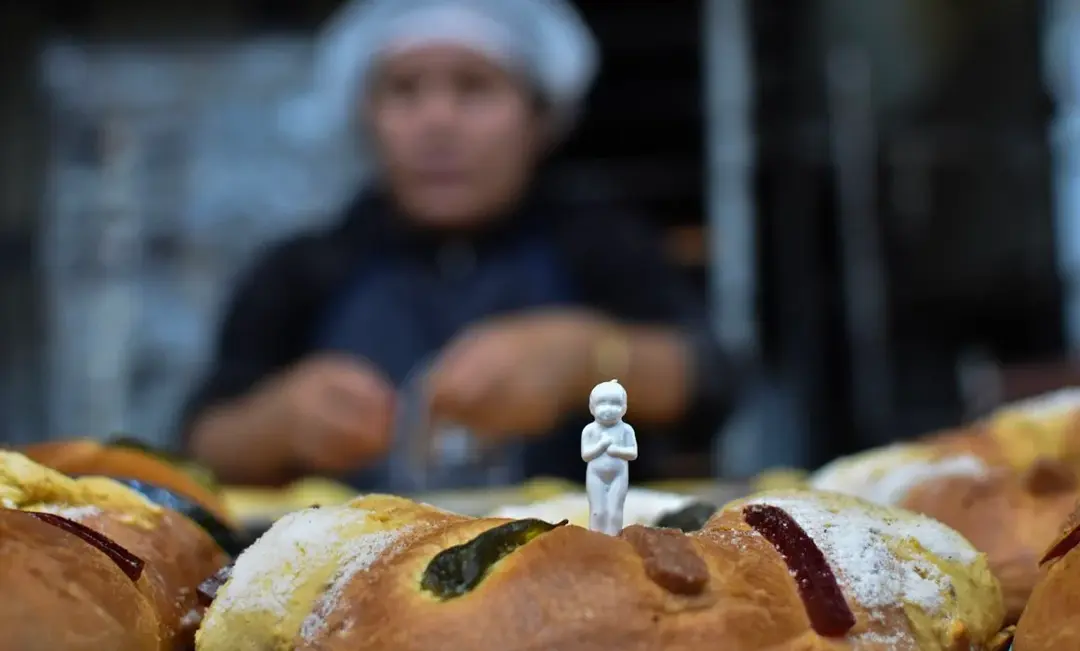
On January 6, the rosca de Reyes is cut. Whoever finds the small figurine hidden inside commits to providing tamales on February 2, Día de la Candelaria. That's how Mexican holidays chain together — there's always an excuse for the next one.
Frequently Asked Questions
Is it worth going to Oaxaca for Christmas?
Yes, especially December 12–23, when there are posadas, the Soledad festival and Night of the Radishes. After the 24th the city is quieter and many family-run businesses close.What is there to do in Oaxaca in December?
Attend a posada, drink ponche, eat buñuelos and smash the plate, see the Zócalo nativity, go to Night of the Radishes on the 23rd and walk the lit-up Centro.When are the posadas in Oaxaca?
December 16–24, in every neighborhood. Jalatlaco is one of the best areas to see them if you're staying near the Centro.Are there calendas at Christmas in Oaxaca?
Yes. On the night of the 24th, every church in the Centro takes its Niño Dios out in procession, with madrinas and paper lanterns; they circle the Zócalo four times and arrive at the Cathedral around 10 pm. Throughout December there are more calendas in neighborhoods and Central Valley towns.What is La Rama?
A tradition from Veracruz roots, still alive in Tuxtepec, the Papaloapan Basin and communities with coastal and Gulf influence: in December nights, groups walk the streets carrying a decorated branch, singing verses in exchange for a contribution or aguinaldo.Where to stay in Oaxaca in December?
In the Centro or Jalatlaco if you want to do everything on foot; book well in advance and ask for an interior room if you're a light sleeper.Why do you smash the buñuelo plate?
To make a wish — they say if the plate shatters completely, the wish comes true. Its origin is unclear and it's not a Christian rite; some link it to Atemoztli, a Mexica December festival; others to a cholera epidemic in the early 20th century; others to families who broke their old crockery to ring in the new year with fresh dishes. Ask at the stall whether you're allowed to smash it.What's open in Oaxaca on December 25 and January 1?
Hotels, most Centro restaurants and sites like Monte Albán. Many markets, fondas and family-run businesses close.Where to spend New Year's Eve in Oaxaca?
In the city — restaurant dinner then bars or cantinas in the Centro after 10 pm. Or on the coast: Puerto Escondido for a beach party, Mazunte and Zipolite for something more bohemian, Huatulco to relax.How far in advance should you book New Year's in Puerto Escondido?
At least 3 months ahead; for the December 23 to January 2 week, ideally 4–6 months. It's the most expensive week of the year and many places require minimum stays of 4–7 nights.When is Night of the Radishes in Oaxaca?
Every December 23, on the Zócalo.When is the Virgen de la Soledad festival?
December 18, with the eve on the 17th, at the Basílica de la Soledad and Plaza de la Danza.What is the weather like in Oaxaca in December?
Sunny and mild days, cold nights. Bring a jacket.In Oaxaca, December isn't something you watch — it's something you walk through. Ask for posada even if you're reading the words off your phone, smash your buñuelo plate, drink your ponche with a kick, and let the city surprise you around every corner. And if you love traditions, come back in November: in my Día de Muertos guide I tell you how to live through those days too.
📅 What's happening in Oaxaca today? Check our events calendar: concerts, calendas, markets and free plans, updated daily.
More guides:📚 Keep planning: browse all our Oaxaca travel guides or read the blog.
- ▸Is Oaxaca safe? Guide for tourists
- ▸Things to do in Oaxaca: the complete guide
- ▸Where to stay in Oaxaca
- ▸Where to stay on the Oaxaca coast
- ▸Night of the Radishes in Oaxaca
- ▸Día de Muertos in Oaxaca
- ▸How to get to Oaxaca from Mexico City
- ▸Oaxaca transportation guide
— mish Dary, Director · Qué Onda Oaxaca